At least two Indians among 11 injured in Houthi attack in Saudi capital
Source Entity
India Latest News: Top National Headlines Today & Breaking News | The Hindu
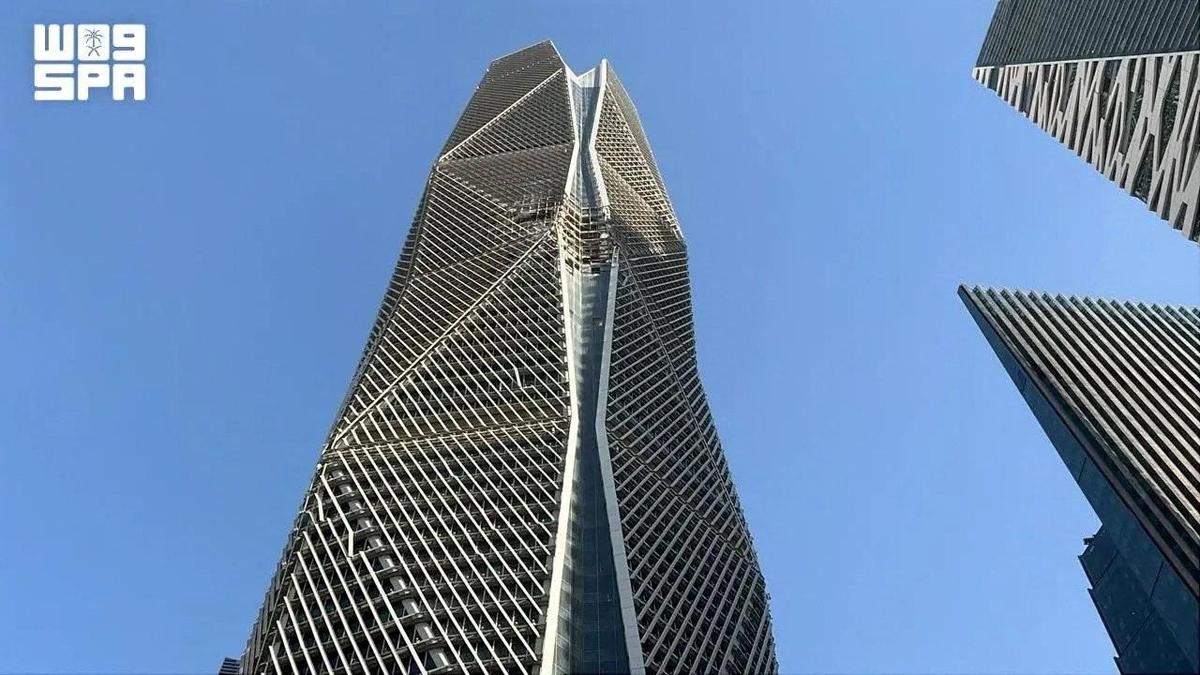
Two Indian nationals were among 11 people injured in a Houthi-led attack on a tower in Riyadh's King Abdullah Financial District. US Secretary of State Marco Rubio condemned the strike, highlighting the ongoing regional tensions involving Houthi militia and their impact on civilian infrastructure.
Analysis of the Houthi Strike on Riyadh's Financial District
On November 24, 2026, a significant security breach occurred in the heart of Saudi Arabia’s capital, as a tower within the King Abdullah Financial District was targeted in what Saudi authorities have officially labeled a 'terrorist attack' executed by Yemen’s Houthi militia. The incident resulted in 11 injuries, including two Indian nationals, three Nepalese citizens, four Egyptians, and two Saudi citizens. This event marks a volatile escalation in the regional security landscape, highlighting the persistent threat posed by cross-border strikes against civilian and economic infrastructure.
The Human Cost and Diplomatic Response
The presence of expatriate workers among the injured underscores the international reach of such conflicts. The Indian embassy in Saudi Arabia has confirmed the involvement of its citizens, bringing the geopolitical implications of the Houthi insurgency to the doorstep of South Asian diplomatic concerns. In the immediate aftermath, US Secretary of State Marco Rubio engaged in high-level talks with Saudi Foreign Minister Prince Faisal bin Farhan Al Saud, explicitly condemning the attack. This diplomatic intervention serves to reinforce the US-Saudi security partnership in the face of continued regional instability.
Strategic Implications for Regional Infrastructure
The choice of the King Abdullah Financial District as a target is symbolic and strategic. By striking a center of economic activity, the Houthi militia aims to disrupt the stability of the Saudi economy and challenge the perception of safety within the Kingdom’s most modern urban hubs. This attack is consistent with a broader pattern of Houthi aggression against energy and civilian infrastructure, which has historically prompted international concern regarding the security of key maritime corridors, such as the Strait of Hormuz and the Bab al-Mandeb.
Broader Geopolitical Context
The discussions between Secretary Rubio and Prince Faisal extended beyond the specific Riyadh attack, encompassing broader regional concerns including the conflict in Sudan and the necessity for Hezbollah’s disarmament in Lebanon. These talks suggest that the strike on the financial district is viewed by international stakeholders not as an isolated incident, but as a component of a larger, interconnected web of regional instability driven by various Iran-backed actors. The emphasis on the 'Trilateral Framework' and regional security reflects a concerted effort by the US and its allies to contain threats to global trade and stability.
Future Trends and Security Outlook
The ongoing frequency of these attacks indicates a shift in the Houthi military strategy, moving toward high-visibility targets to exert maximum pressure on the Saudi government and its international partners. As global reliance on the stability of the Middle East remains paramount, the ability of Saudi authorities to maintain a defensive posture around critical infrastructure will be under constant scrutiny. Future trends will likely show an increase in integrated air defense cooperation and heightened diplomatic efforts to curb the flow of weaponry that enables these strikes, as the international community seeks to prevent further escalation in an already fragile theater of war.
Multiple Citing Sources
Verification Required?