Mumbai’s air is worst in India: What’s making it dangerous to breathe
Source Entity
Pratip Acharya
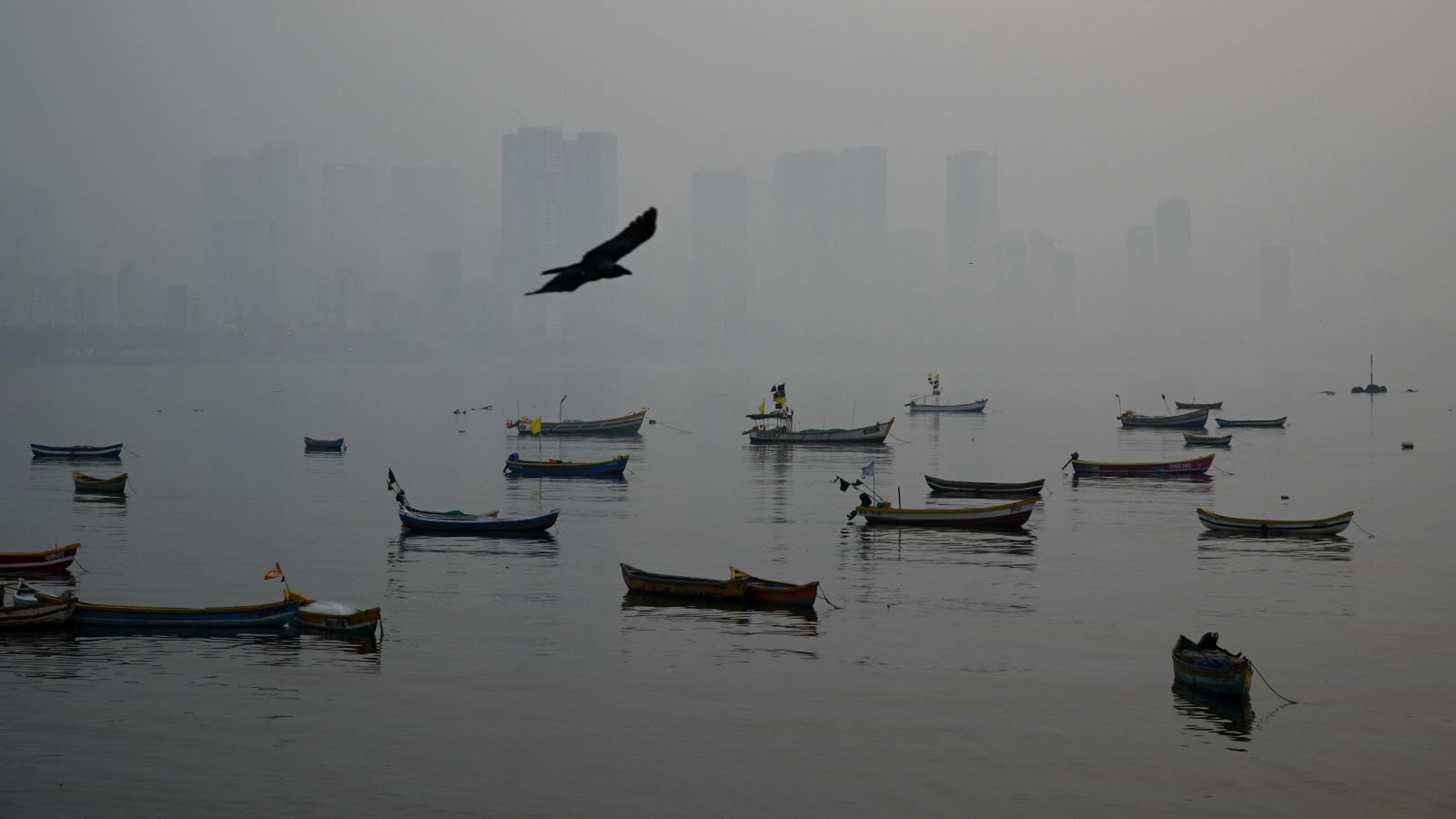
Mumbai has been ranked as India's most polluted city and the fifth most polluted globally due to rising ozone levels. The spike in pollution is driven by unusually high temperatures and a rain-deficient monsoon season.
The Air Quality Crisis in Mumbai: An Emerging Environmental Challenge
Recent data from the global air quality monitoring platform iQAir has placed Mumbai at a concerning juncture, ranking it as the fifth most polluted city globally and the most polluted within India. With an Air Quality Index (AQI) of 152, the city’s air is currently classified as 'unhealthy,' signaling significant risks to public health. This development marks a shift in the traditional understanding of urban pollution in India, which has historically been dominated by the atmospheric challenges faced by the National Capital Region.
The Role of Meteorological Anomalies
The current degradation of Mumbai's air quality is deeply rooted in recent meteorological shifts. Following a rain-deficient monsoon season, the city has been subjected to a prolonged period of hot and humid conditions. The absence of sufficient rainfall—which typically acts as a natural scrubber for particulate matter and pollutants—has allowed ground-level ozone (O3) to accumulate to hazardous concentrations. This chemical reaction is further catalyzed by the intense heat, creating a feedback loop that traps pollutants in the lower atmosphere.
Heatwaves and Climate Variability
Beyond the immediate pollution statistics, Mumbai is grappling with a series of temperature records that have not been seen in at least a decade. The city has experienced multiple instances this month where maximum temperatures surged 4-5 degrees Celsius above the seasonal norm. These heatwaves, occurring immediately after the early withdrawal of the monsoon, are indicative of broader climatic variability. The synergy between extreme heat and ozone-heavy air presents a volatile environment that complicates respiratory health for millions of residents.
Understanding Ground-Level Ozone
Unlike particulate matter (PM2.5 or PM10), which is often emitted directly from vehicles or construction, ground-level ozone is a secondary pollutant formed by the reaction of sunlight with pollutants like nitrogen oxides and volatile organic compounds. The fact that O3 is the primary pollutant in Mumbai’s current AQI reading highlights the city's struggle with vehicular emissions and industrial activity interacting with trapped heat. This distinguishes the current crisis from traditional winter smog scenarios typically observed in northern India.
Future Implications and Policy Outlook
Looking ahead, the combination of rising urban temperatures and atmospheric stagnation suggests that Mumbai may face recurring air quality challenges if environmental management policies are not adapted to address secondary pollutants like ozone. The reliance on seasonal rainfall to clear the air is no longer a sustainable strategy in an era of climate uncertainty. Policymakers must now shift their focus toward aggressive emission control, particularly regarding transportation and industrial outputs, to mitigate the impact of heat-driven air pollution.
Conclusion
The status of Mumbai as India’s most polluted city is a wake-up call for urban planning and environmental governance. By addressing the intersection of heatwaves and chemical pollution, the city can work toward stabilizing its air quality. However, without immediate, data-driven interventions that account for these evolving meteorological trends, the city risks long-term public health consequences that could strain its infrastructure and economic vitality.