Mumbai could be swallowed by the sea. BMC begins a fresh risk check
Source Entity
Pratip Acharya
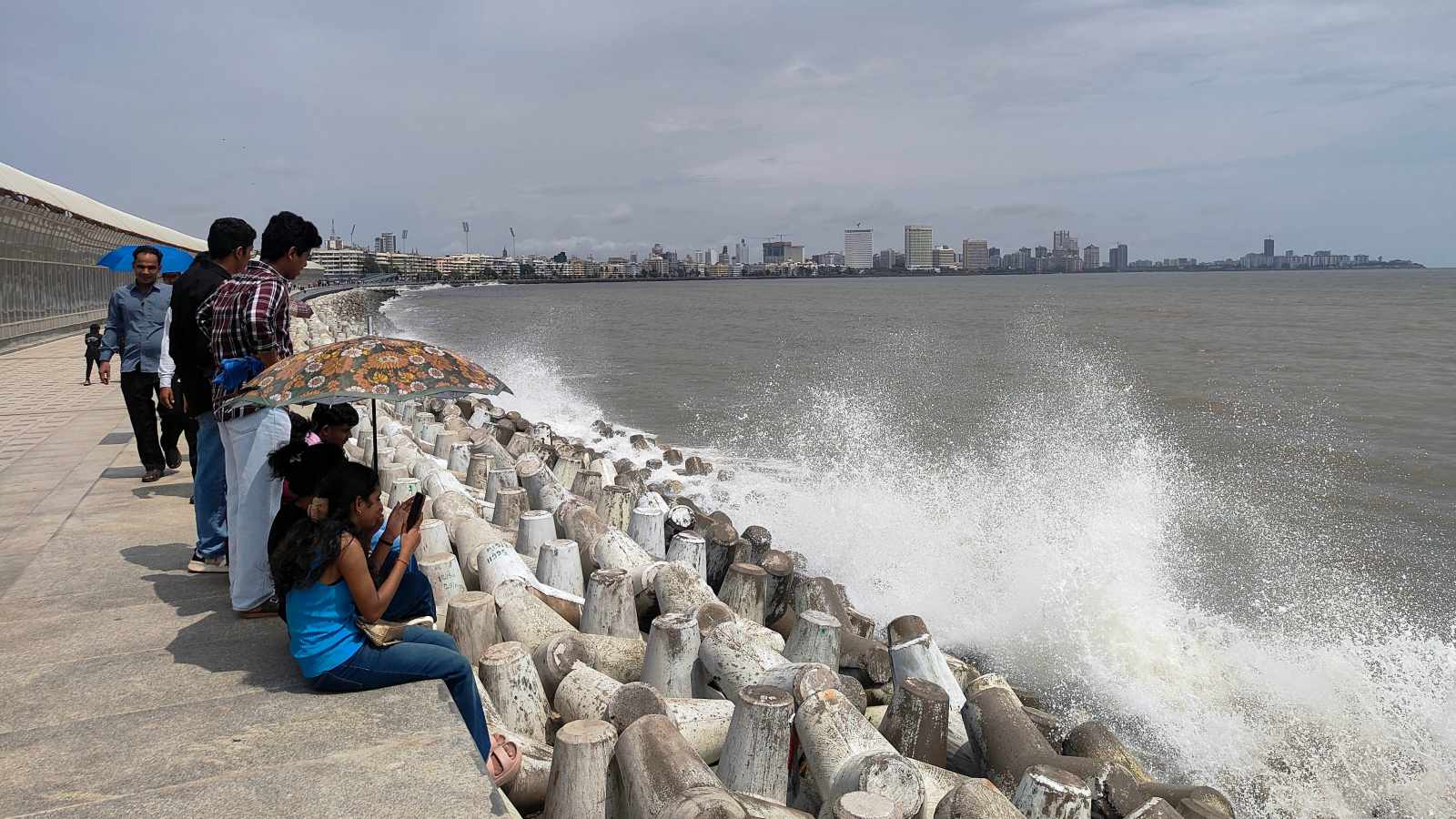
The BMC has initiated a fresh climate-risk assessment to evaluate Mumbai's vulnerability to rising sea levels by 2100. This study will map high-risk coastal areas and analyze how urban development patterns influence the city's future inundation threats.
Mumbai's Existential Climate Challenge
The Brihanmumbai Municipal Corporation (BMC) has launched a critical, comprehensive assessment of Mumbai’s vulnerability to rising sea levels. This initiative, marking the second such study in five years, reflects a growing urgency to understand how the city's 149-km coastline will react to the accelerating impacts of climate change by the turn of the century.
Mapping the Vulnerability
The ongoing risk assessment is designed to be highly granular. By mapping specific stretches of the coastline, the BMC aims to identify not just the physical geography at risk but also the densely inhabited areas that stand on the front lines of potential inundation. This approach acknowledges that Mumbai’s geography—a series of reclaimed islands—makes it uniquely susceptible to tidal shifts and sea-level encroachment.
The Impact of Urban Development
A core component of this study is the investigation into how human activity has exacerbated environmental risks. The assessment will scrutinize how recent land-use changes and coastal development projects have altered the city’s natural defenses. By evaluating these variables, the BMC intends to create a clearer picture of how urban expansion interacts with rising water levels, potentially identifying areas where infrastructure may need to be reinforced or redesigned.
Global Context and Scientific Projections
This local effort is set against a dire global backdrop. Recent data from the United Nations highlights a record-breaking 5.9 mm rise in global sea levels in 2024 alone. These figures, coupled with long-term projections of at least a 0.5-meter rise by 2100, provide the scientific justification for the BMC’s preemptive action. Even under scenarios of aggressive emission reductions, the momentum of thermal expansion and glacial melt poses a systemic threat to coastal metropolises like Mumbai.
Future Implications and Policy Shifts
The findings of this report, expected next year, are likely to serve as a cornerstone for future urban planning and climate adaptation policies in India’s financial capital. The data will likely inform future decisions regarding coastal infrastructure, flood mitigation strategies, and potential zoning restrictions. As the city grows, the tension between economic development and environmental sustainability will remain a central theme of governance.
Conclusion
Mumbai’s proactive stance in conducting these climate-risk assessments represents a vital step toward long-term resilience. While the threats of permanent inundation by 2100 are daunting, the systematic collection of data is the first line of defense. By understanding the intersection of climate patterns and local geography, the BMC is positioning itself to make the informed decisions necessary to protect one of the world's most vital economic hubs.