30 hours on, rescuers race against time to find man trapped under boulder after Mumbai landslide
Source Entity
Pratip Acharya, Purnima Sah
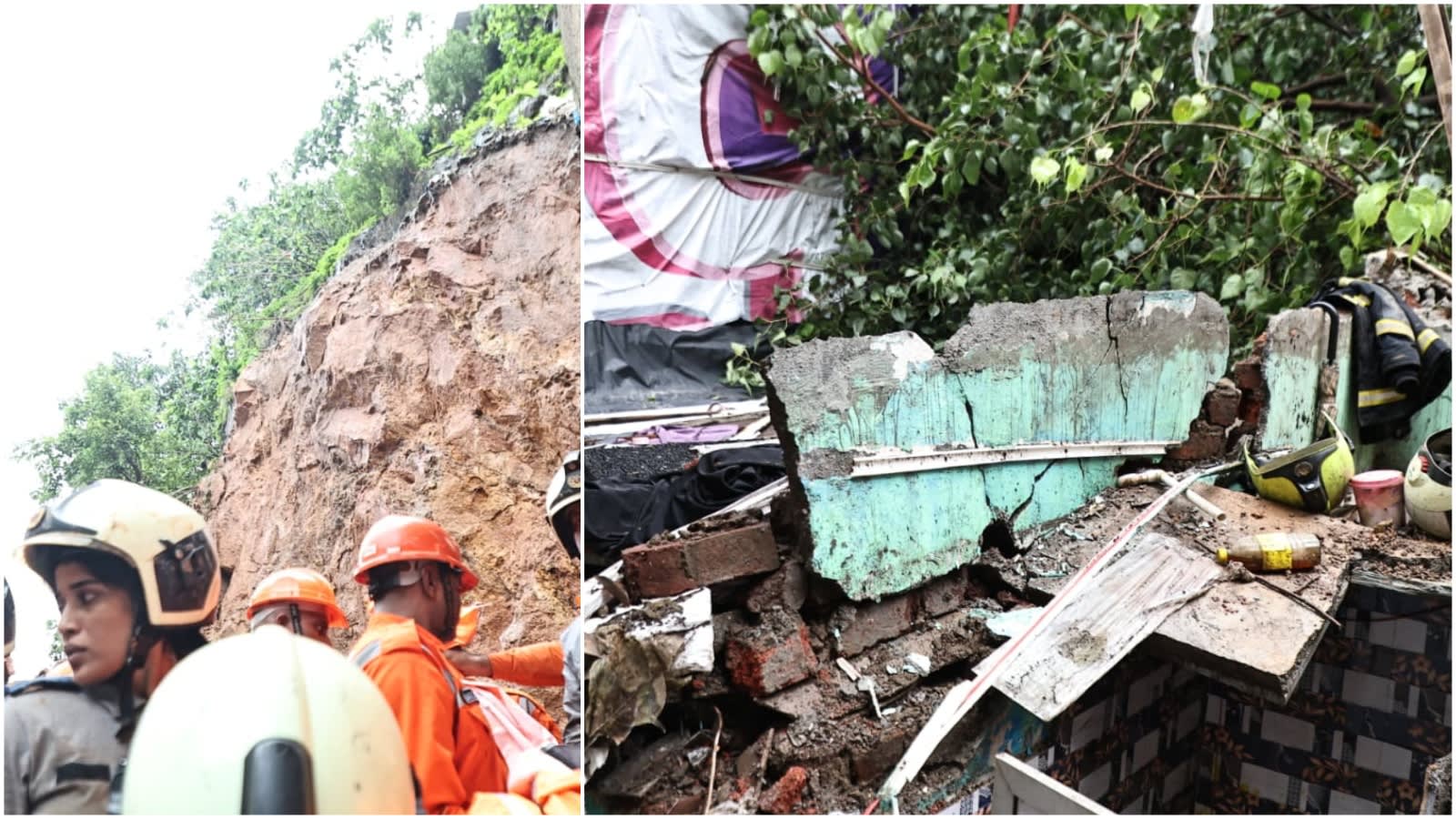
A devastating landslide in Mumbai's Kurla-Sakinaka area has claimed seven lives, including two children, with rescue operations entering their second day. Authorities face significant challenges due to narrow site access, leaving two individuals still feared trapped under the debris.
Tragedy Strikes Mumbai: The Kurla-Sakinaka Landslide
On the morning of August 12, 2026, a catastrophic landslide occurred in the Ashok Nagar locality of Chirag Nagar, near the Sakinaka area of Mumbai. Following intense, sustained rainfall, a portion of an adjoining hillock collapsed, sending massive amounts of soil and boulders crashing into the Gaushiya Chawl, where three shanties were buried. The incident has resulted in the tragic loss of seven lives, including two young children aged two and four.
The Human Cost of Urban Migration
The victims of this disaster represent the diverse and often vulnerable population that migrates to Mumbai in search of economic opportunity. Reports indicate that the deceased included individuals who had recently arrived in the city, such as a family from Uttar Pradesh who had settled in their home only two days prior. Others had spent years building their lives in the informal settlements, including a 30-year-old delivery worker killed on his birthday and a 19-year-old who had just begun employment as a cab driver.
Operational Challenges in Rescue Efforts
As of Thursday, August 13, 2026, search and rescue operations have entered their second day. Officials report that at least two people remain trapped under the debris. The rescue efforts are being hampered by the site's geography; the narrow, congested access points characteristic of these hillside chawls make it extremely difficult to deploy heavy machinery. Consequently, rescue teams from the National Disaster Response Force (NDRF) and local authorities have had to rely on more manual and time-consuming methods to clear the wreckage.
The Vulnerability of Hillside Settlements
This incident highlights the recurring danger faced by residents living in informal, high-density settlements built along Mumbai's hillocks. During the monsoon season, these regions are prone to soil instability, which is often exacerbated by rapid, unplanned construction and the lack of proper drainage systems. The collapse of the Kurla-Sakinaka hillock serves as a grim reminder of the structural risks present in these areas when extreme weather events occur.
Broader Urban Implications and Future Trends
Mumbai’s geography, defined by its coastal nature and hilly terrain, necessitates rigorous urban planning and strict enforcement of building codes in sensitive zones. The tragedy underscores the urgent need for long-term urban policy reform, focusing on the relocation of residents living in high-risk zones and the implementation of slope stabilization measures. As climate patterns become more erratic, the frequency of such landslides remains a critical concern for city planners and disaster management agencies.
Conclusion
The landslide in Kurla is a devastating event that has left a community in mourning and authorities struggling against difficult physical terrain. While rescue teams continue their efforts to locate the remaining trapped individuals, the focus must eventually shift toward preventative infrastructure and the protection of residents in vulnerable informal settlements to prevent future tragedies of this nature.