Debt deal for Anil Ambani’s Mumbai Metro 1 collapses, longer trains for 5 lakh riders on hold
Source Entity
Sabah Virani
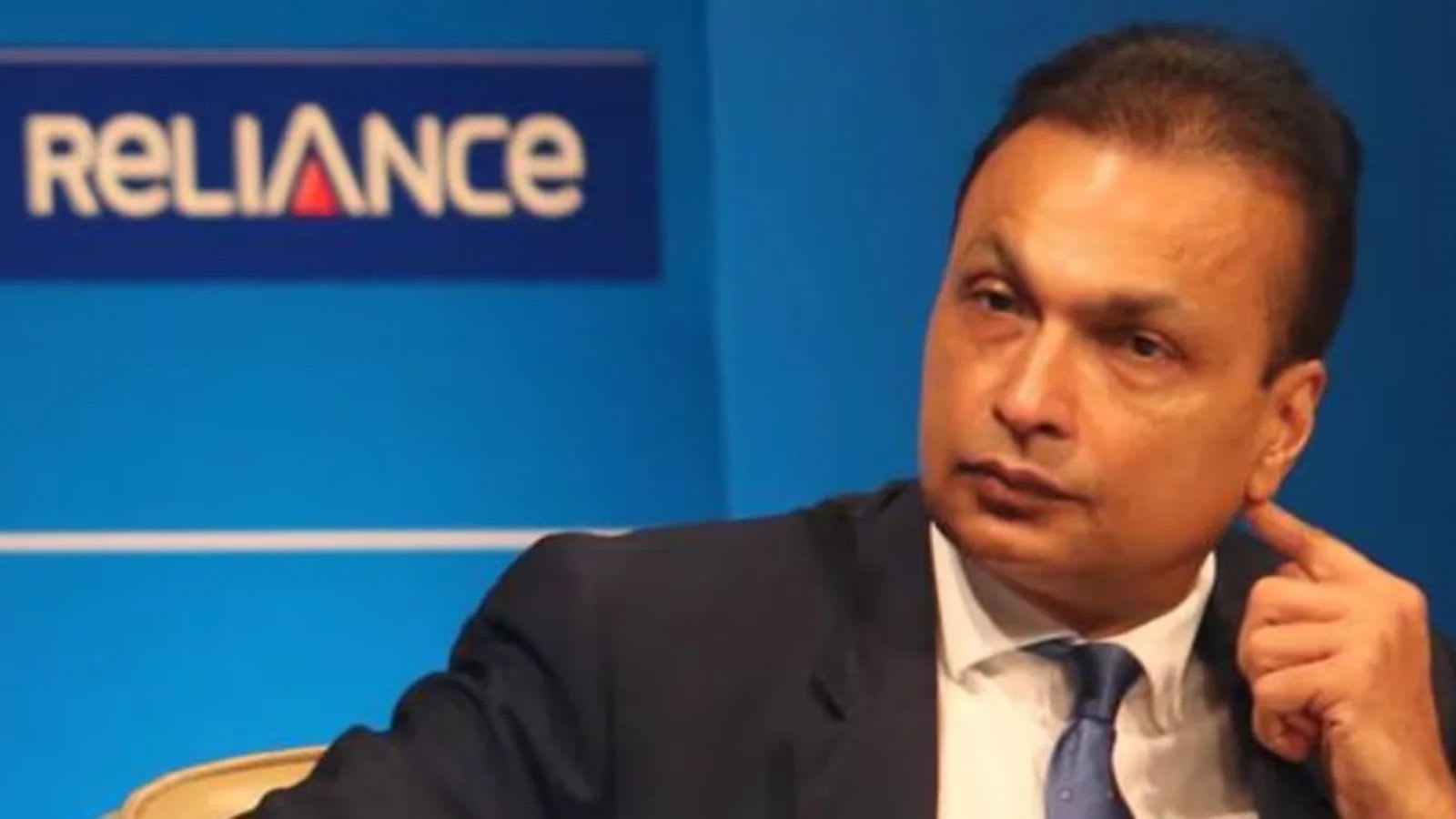
A debt-restructuring deal for Mumbai Metro One has collapsed, forcing the company back into insolvency. While daily operations remain stable, the critical upgrade to six-car trains for 500,000 daily commuters is now indefinitely delayed.
The Collapse of Mumbai Metro One’s Debt Restructuring
The financial stability of Mumbai’s urban transit infrastructure has hit a significant roadblock following the collapse of a critical debt-restructuring agreement for Mumbai Metro One Pvt Ltd (MMOPL). This entity, led by Anil Ambani’s Reliance Infrastructure, manages the Versova-Ghatkopar line, a vital artery for the city's public transport system. The failure of this deal signals a return to insolvency proceedings for the operator, casting a shadow over the future of infrastructure upgrades that were tied to the company's fiscal health.
Implications for Daily Commuters
Despite the severity of the financial situation, the immediate operational status of the Metro 1 line remains unaffected. With approximately five lakh passengers utilizing the service every weekday, the continuity of transit is a priority for city planners. However, the operational success of the current four-car train configuration is being strained by the high volume of riders, and the failed debt deal directly impacts the long-awaited transition to six-car trains intended to alleviate congestion.
The Stalled Expansion of Capacity
For the half-million commuters relying on the Versova-Ghatkopar line, the collapse of the rescue deal represents a major setback in service quality. The proposed transition to six-car trains was designed to increase total passenger capacity, a necessary evolution for a line that serves such a dense demographic. With the company now facing renewed insolvency, the capital expenditure required for such fleet expansions is likely to be frozen, leaving riders waiting indefinitely for the much-needed relief.
Financial Context and Insolvency Risks
Reliance Infrastructure’s struggle to finalize this restructuring highlights the broader challenges faced by private players in India’s public-private partnership (PPP) infrastructure model. Insolvency proceedings involve legal complexities that often prioritize creditor repayment over operational expansion. As the legal process unfolds, the company's ability to allocate funds for infrastructure development or fleet modernization will remain severely constrained, as the primary focus shifts toward debt resolution and corporate restructuring.
Future Outlook for Mumbai’s Metro Network
Looking ahead, the uncertainty surrounding MMOPL underscores the fragility of existing debt-burdened transit projects. While the city continues to expand its broader Metro network, the specific case of the Versova-Ghatkopar line serves as a cautionary tale regarding the reliance on private debt restructuring to fund public service improvements. Until the insolvency proceedings reach a definitive conclusion or a new investor interest emerges, the commuters of Mumbai will likely continue to face the challenges of a constrained transit capacity.