They claimed to be from HDFC ERGO, then duped people of lakhs, using ‘scripts’
Source Entity
The Indian Express
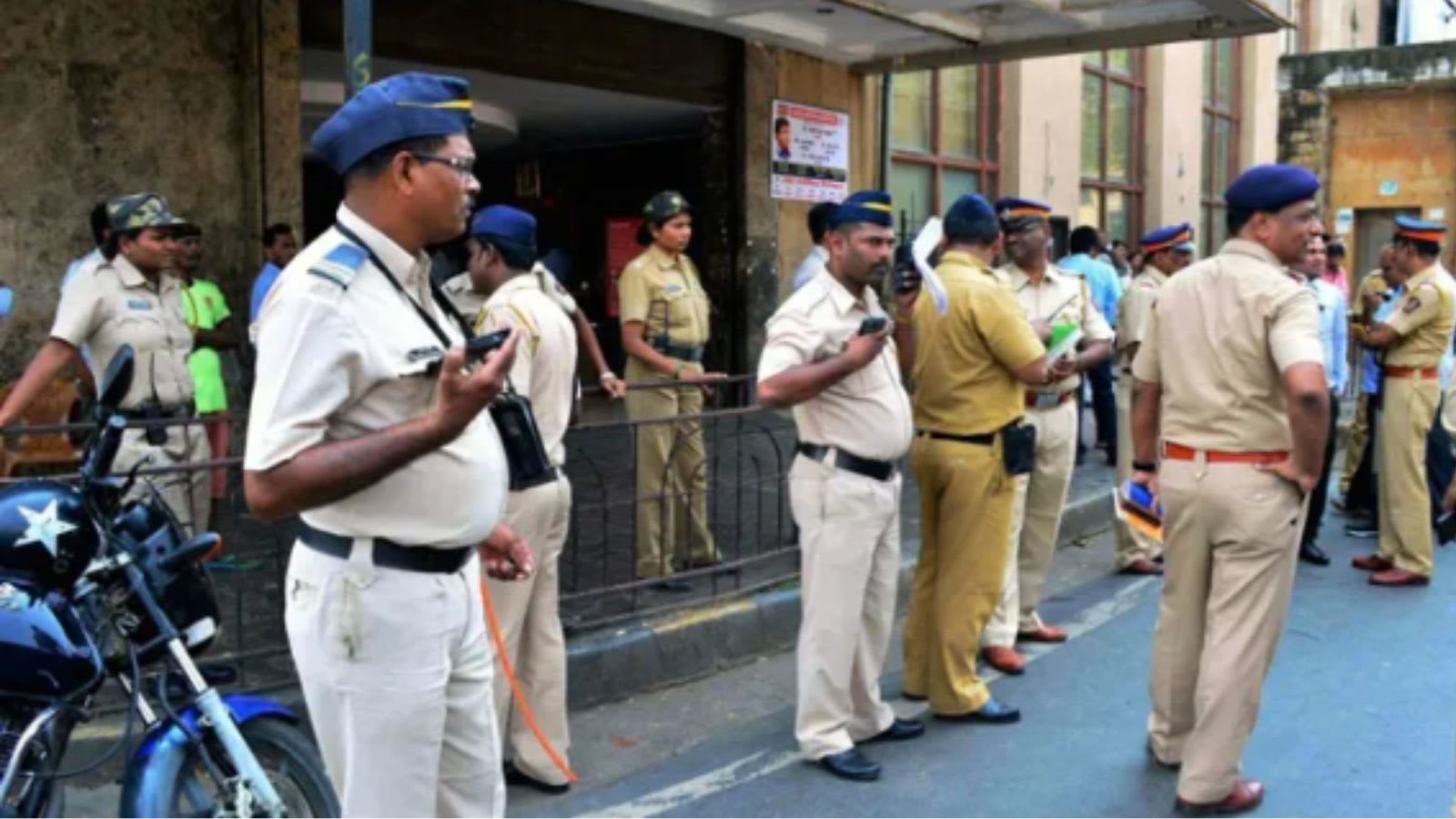
The Mumbai Police arrested 12 persons who allegedly posed as HDFC ERGO staffers and defrauded many people of lakhs by tricking them into sharing their credit card details. The incident came to light ...
Dismantling the HDFC ERGO Impersonation Syndicate
In a significant blow to organized cybercrime in Maharashtra, the Mumbai Police have successfully dismantled a fraudulent operation involving 12 individuals who posed as employees of HDFC ERGO. The syndicate targeted unsuspecting citizens, leveraging the trust associated with a major insurance provider to deceive victims into revealing sensitive credit card information. By utilizing structured 'scripts,' the perpetrators were able to manipulate victims into handing over financial data, resulting in the loss of lakhs of rupees. This arrest underscores the ongoing battle between law enforcement and the evolving tactics of social engineering fraudsters.
The Psychology of the 'Scripted' Scam
One of the most alarming aspects of this case is the use of 'scripts' to conduct the fraud. In the realm of cybercrime, a script is a carefully crafted dialogue designed to build rapport, establish false authority, and create a sense of urgency. By mimicking the professional tone and terminology of HDFC ERGO staff, the scammers lowered the victims' defenses. Typically, such scripts involve claiming that a policy is about to expire, a refund is pending, or a security update is required. This psychological manipulation, known as 'vishing' (voice phishing), is highly effective because it targets human trust rather than technical vulnerabilities in software.
Leveraging Institutional Trust in the Insurance Sector
The choice of HDFC ERGO as the front for this scam is a strategic move by the fraudsters. The insurance sector relies heavily on long-term trust and frequent communication between agents and policyholders. Because customers are accustomed to receiving calls regarding premiums, renewals, and claims, they are less likely to be suspicious of a caller claiming to be from their insurance provider. The perpetrators exploited this institutional credibility to bridge the gap between a cold call and the disclosure of private credit card details, highlighting a critical vulnerability in how consumers perceive corporate outreach.
The Broader Landscape of Financial Fraud in India
This incident is not an isolated event but part of a broader trend of digital financial fraud sweeping across India. As the country has rapidly adopted digital payments and online insurance portals, criminal networks have pivoted toward social engineering. The arrest of 12 people suggests a structured organizational hierarchy, likely consisting of 'callers' who executed the scripts, 'managers' who oversaw the operation, and 'money mules' who handled the laundered funds. This mirrors the operational models seen in notorious scam hubs across the country, where organized gangs operate like corporate call centers to maximize their victim reach.
Law Enforcement Response and Digital Forensics
The efficiency of the Mumbai Police in tracking and arresting 12 suspects indicates a heightened capability in digital forensics and electronic surveillance. Tracking vishing operations is notoriously difficult as scammers often use VOIP (Voice over IP) services or spoofed numbers to hide their identities. The successful apprehension of this group suggests that the police utilized a combination of bank transaction trails, call detail records (CDRs), and perhaps victim reports to triangulate the syndicate's location. This sends a strong signal to other cybercrime rings that the anonymity provided by digital tools is not absolute.
Future Implications and Preventative Measures
Looking forward, this event serves as a catalyst for both financial institutions and consumers to tighten security protocols. For companies like HDFC ERGO, it emphasizes the need for clearer communication channels—such as notifying customers that they will never ask for credit card details or OTPs over the phone. For consumers, the incident highlights the necessity of 'zero-trust' verification; verifying the identity of a caller through official app channels or verified customer care numbers before sharing any data. As AI-driven voice cloning becomes more prevalent, the risk of these 'scripts' becoming even more convincing will increase, making public awareness the first line of defense.
Conclusion
The arrest of the HDFC ERGO impersonators is a victory for the Mumbai Police and a cautionary tale for the public. While the recovery of funds and the arrest of the culprits provide some closure, the sophistication of the operation reveals how easily human psychology can be weaponized for financial gain. The transition from simple phishing emails to complex, scripted vishing attacks marks a dangerous evolution in cybercrime that requires a coordinated response from law enforcement, corporate entities, and an informed citizenry.