Rs 1 for urinals, Rs 5 for toilets: Mumbai’s public loos may cost more
Source Entity
Nayonika Bose
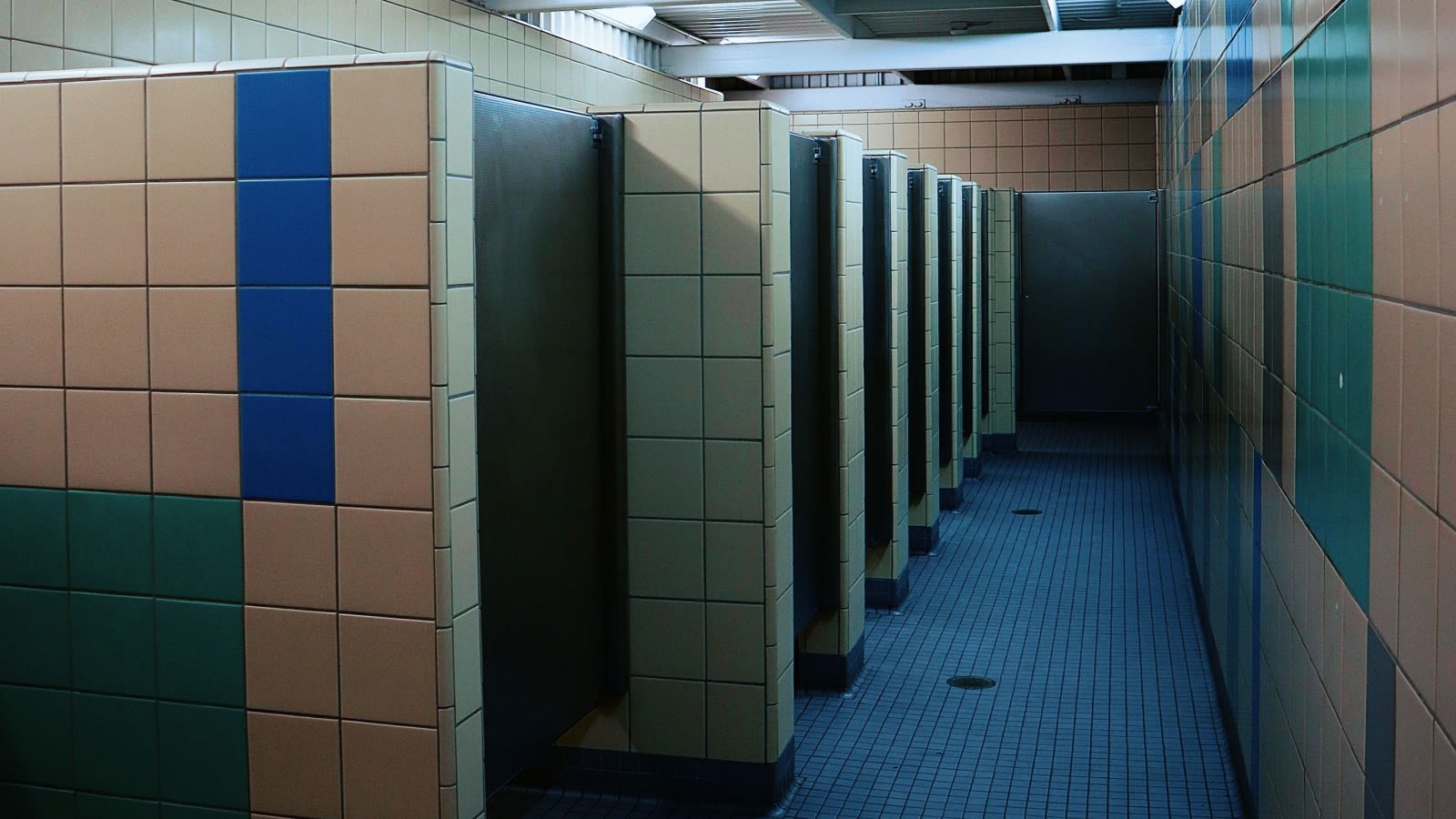
The Brihanmumbai Municipal Corporation (BMC) has proposed a fee hike for public pay-and-use toilets to cover rising maintenance costs. While urinals may now cost Rs 1, community toilets will remain unaffected by these changes.
Mumbai Public Sanitation: Proposed Fee Restructuring
The Brihanmumbai Municipal Corporation (BMC) has initiated a proposal to revise the fee structure for public pay-and-use toilets across the city. This move, which aims to address the financial sustainability of sanitation infrastructure, includes introducing a Rs 1 charge for urinals—a facility that has historically been free of cost—and increasing existing fees for toilets and bathrooms. Specifically, the proposal suggests raising toilet usage fees from Rs 2 to Rs 5, and bathroom usage from Rs 5 to Rs 10.
The Economic Drivers of the Proposal
This policy shift is largely driven by the operational challenges faced by the 846 public pay-and-use toilet complexes scattered throughout Mumbai. These facilities, while constructed by the municipal body, are operated by private agencies and non-governmental organizations (NGOs). These operators have voiced significant concerns regarding the escalating costs of daily maintenance, cleaning, and utility consumption, which have become difficult to sustain under the current pricing model.
Distinguishing Public vs. Community Facilities
A critical component of this proposal is the explicit differentiation between facility types. BMC officials have clarified that the proposed fee hikes are strictly limited to public pay-and-use toilets. Conversely, community toilets, which serve as a primary sanitation resource for many residents in dense urban pockets, are expected to remain unaffected by these changes. This distinction is vital for maintaining accessibility for low-income populations who rely on community infrastructure.
Infrastructure and Public Health Implications
Public sanitation in a city as densely populated as Mumbai is not merely a matter of convenience but a core public health necessity. The BMC’s decision to balance the books for these facilities reflects the broader challenge of urban management: ensuring that high-traffic public amenities are kept in hygienic and functional states. By potentially increasing revenue through these modest fee adjustments, the municipal corporation hopes to incentivize private operators to maintain higher standards of cleanliness and repair.
Future Trends in Urban Sanitation
Looking ahead, this proposal signals a potential shift toward a more self-sustaining model for urban public services in India. As maintenance costs rise, local municipal bodies are increasingly looking at user-fee adjustments to prevent the degradation of essential services. However, the success of this strategy will depend on the ability of the BMC to ensure that these fee hikes translate into tangible improvements in service quality, such as better water availability, consistent cleaning schedules, and improved lighting and safety in these public spaces.
Conclusion
In summary, the BMC’s proposal represents a pragmatic attempt to navigate the rising costs of urban sanitation. By targeting pay-and-use facilities while shielding community toilets from the price hike, the city aims to balance fiscal responsibility with the necessity of providing accessible, hygienic facilities for its millions of residents and commuters.