Inside India’s only surviving 110-year-old Opera House: From crumbling theatre to cultural hub
Source Entity
Heena Khandelwal
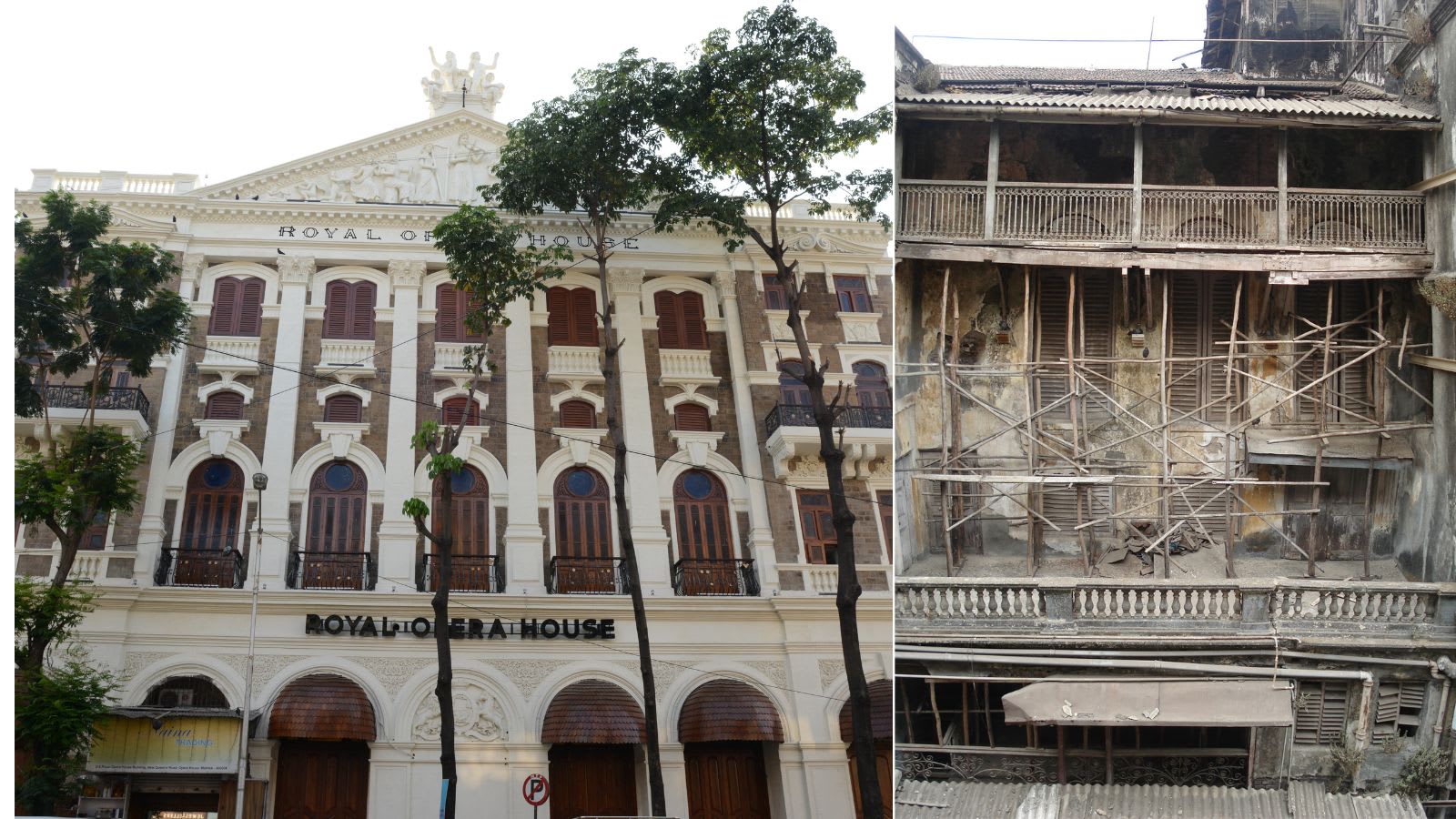
Mumbai's Royal Opera House marks its 110th anniversary, celebrating a decade since its successful restoration from a dilapidated state. The venue now serves as a vibrant cultural hub for diverse artistic and intellectual events.
The Resurgence of a Heritage Icon
For over a century, Mumbai’s Royal Opera House has stood as a silent witness to the evolving cultural landscape of India. When conservation architect Abha Narain Lambah first encountered the structure in 2007, it was a shadow of its former self, evoking the melancholy atmosphere of Dickensian decay. Describing it as akin to Miss Havisham’s mansion, Lambah noted that the building was on the brink of total structural collapse, with corroded steel, leaking roofs, and a compromised staircase that rendered the space hazardous.
The Anatomy of Decay
The deterioration of the Royal Opera House was a byproduct of decades of neglect and the harsh coastal climate of Mumbai. The structural integrity had reached a critical failure point, where the metalwork was so fragile that it could be peeled away by hand. This level of decay is not uncommon for heritage structures in urban centers, where the pressures of modernization often clash with the necessity of preservation. The collapse of the south staircase and the ruinous state of the balconies served as a stark warning that without intervention, this piece of architectural history would be lost forever.
A Masterclass in Restoration
The restoration process was not merely a cosmetic endeavor but a profound engineering challenge. By stabilizing the foundations and restoring the intricate plasterwork and chandeliers, the project team managed to breathe life back into the 575-seat auditorium. The success of this restoration lies in its balance between honoring the historical aesthetic and retrofitting the space to meet modern safety and acoustic standards, effectively bridging the gap between 1914 and the present day.
A New Era of Cultural Relevance
Today, the Royal Opera House has shed its reputation as a crumbling relic and has reinvented itself as a bustling cultural nexus. By hosting a diverse array of events—ranging from Sufi poetry and jazz performances to literary salons and high-level diplomatic roundtables—the venue has secured its relevance in the modern era. This multifaceted programming strategy ensures that the space remains economically viable while fostering a community of artists, intellectuals, and policy makers.
Looking Toward the Future
As the Opera House marks its 110th anniversary and the tenth year of its revival, it stands as a testament to the power of adaptive reuse. The ability of such a space to host varied events within a single week highlights a growing demand for heritage sites that function as 'living' spaces rather than static museums. Moving forward, the Royal Opera House will likely continue to serve as a model for heritage conservation projects across India, proving that historical preservation can be a powerful engine for contemporary cultural enrichment.