Blog: Opinion | How Prepared Is Mumbai To Prevent An October 7-Like Israel Terror Attack?
Source Entity
NDTV News Search Records Found 1000
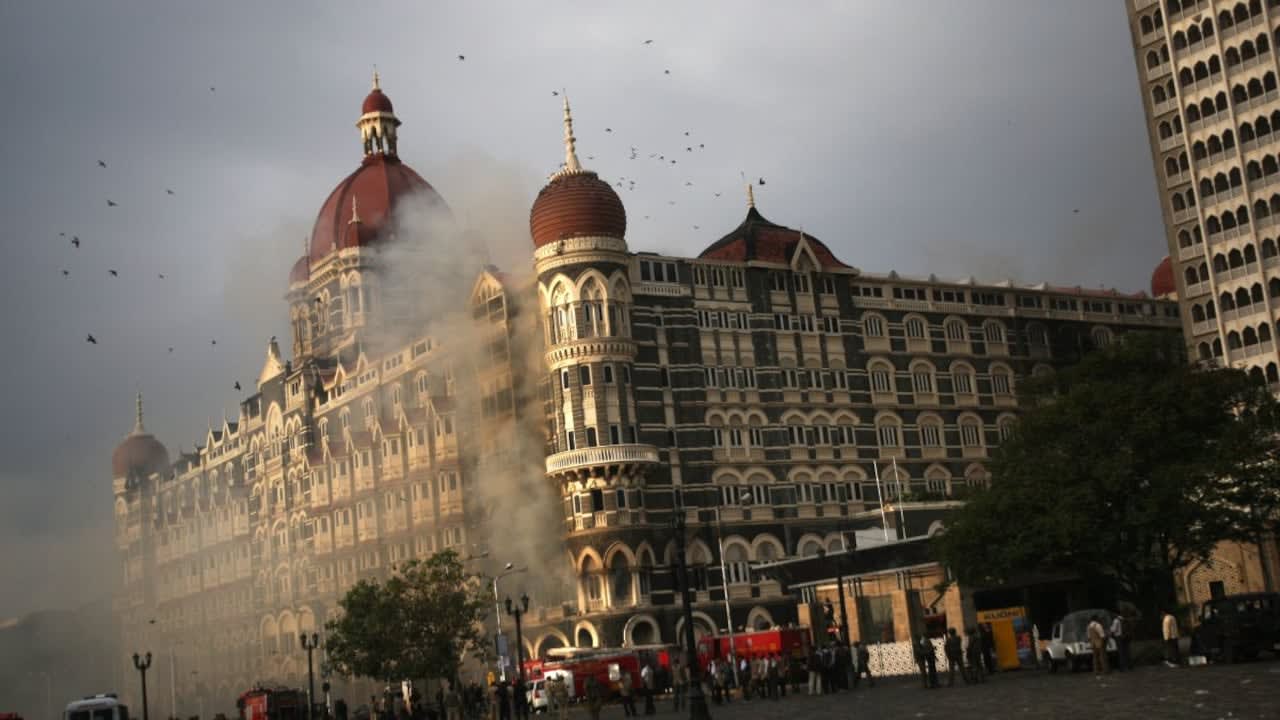
The article questions Mumbai's current security posture regarding large-scale terror threats following the October 7 Israel attacks. It highlights the 2008 Mumbai attacks as the city's last major incident, prompting a re-evaluation of preparedness.
Assessing Mumbai’s Security Infrastructure Post-October 7
The Shadow of 26/11
The November 26, 2008, terror attacks on Mumbai remain the defining security trauma for India's financial capital. For nearly three days, the city faced a coordinated multi-pronged assault that exposed significant gaps in intelligence, maritime security, and rapid response capabilities. As the city continues to grow as a global economic hub, the memory of that event serves as a foundational benchmark against which all subsequent counter-terrorism strategies are measured.
Analyzing the October 7 Parallel
The recent October 7 attack in Israel has triggered a global re-examination of urban defense strategies. Security experts are now questioning whether Mumbai, given its dense population and high-profile status, possesses the necessary safeguards to prevent a similarly sophisticated, large-scale infiltration. The focus is no longer just on historical threats, but on how modern asymmetric warfare could potentially challenge existing security protocols.
Evolving Threat Vectors
In the years following 2008, Mumbai has significantly bolstered its police force, modernized the Marine Commandos (MARCOS) coordination, and improved coastal surveillance. However, the nature of terror is fluid. The concern remains whether the administrative and tactical systems currently in place can adapt to the rapid, unpredictable nature of modern urban warfare that characterized the events in Israel.
The Role of Intelligence and Inter-Agency Coordination
Preparedness is not merely about physical barricades or armed personnel; it is fundamentally rooted in intelligence sharing. The 2008 incident highlighted the failures of communication between central and state agencies. Today, the challenge is to maintain a seamless flow of information that can identify threats before they reach the city limits, ensuring that the 'last big attack' remains a historical milestone rather than a recurring reality.
Future Outlook and Conclusion
As Mumbai looks toward the future, the integration of technology—such as AI-driven surveillance and enhanced digital monitoring—will be critical. While the city has made strides since 2008, the geopolitical climate necessitates a constant state of vigilance. The ongoing discourse regarding Mumbai's preparedness is a vital exercise in ensuring that the city remains resilient against the evolving landscape of global terrorism.
Verification Required?