Hit by rain, teacher protests, Mumbai’s SIR falls behind; officials may seek extension
Source Entity
Sabah Virani
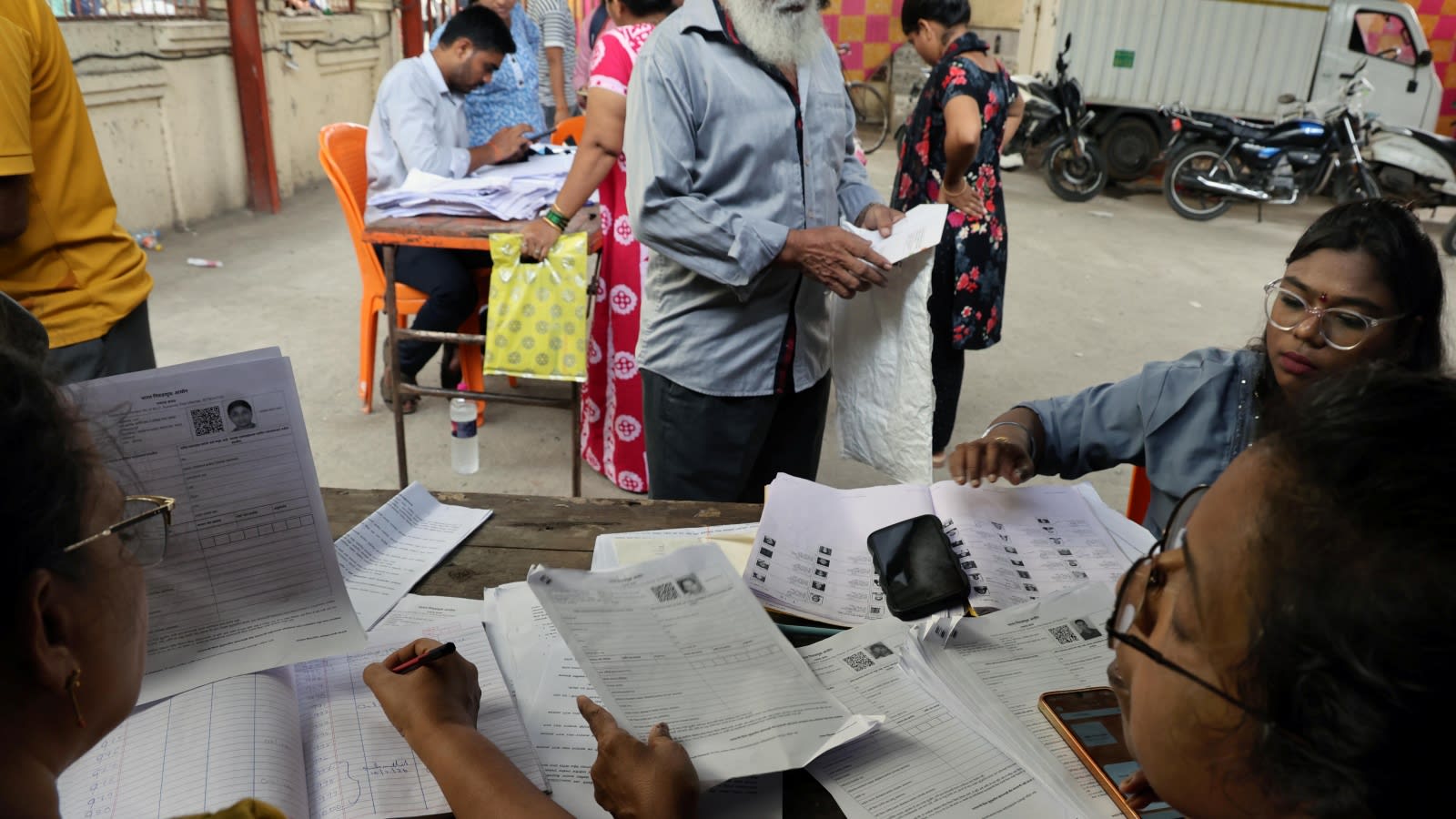
Mumbai officials are considering seeking an extension for the Special Intensive Revision (SIR) of electoral rolls after progress was hindered by heavy monsoon rains and protests by teachers serving as election officials.
Administrative Hurdles in Mumbai's Electoral Process
Mumbai is currently facing significant delays in the Special Intensive Revision (SIR) of its electoral rolls, a critical administrative exercise designed to ensure that voter lists are accurate, updated, and inclusive. The SIR process is essential for the health of a democracy, as it involves removing deceased voters, updating addresses, and registering new eligible voters. However, the current cycle has been severely hampered by a combination of environmental challenges and labor unrest, leading officials to contemplate seeking a formal extension to complete the enumeration exercise.
The Impact of Mumbai's Monsoon
One of the primary drivers of the delay is the onset of heavy rainfall, a recurring challenge for the city of Mumbai. During the monsoon season, field-level operations become exponentially more difficult as flooding and disrupted transport networks prevent officials from conducting door-to-door verifications. Since the SIR requires physical verification and interaction with residents to validate their details, the inclement weather has effectively stalled the ground-level momentum. This highlights the persistent vulnerability of traditional, physical-first administrative processes in cities prone to extreme seasonal weather, where bureaucratic timelines often clash with environmental realities.
Teacher Protests and the BLO Bottleneck
Beyond the weather, the process has been further crippled by protests from teachers. In the Indian electoral system, teachers are frequently deputed as Booth Level Officers (BLOs), serving as the primary link between the Election Commission and the citizenry. When teachers protest—whether due to workload, remuneration issues, or other professional grievances—the entire machinery of the SIR grinds to a halt. Because the BLO is the only official tasked with the granular work of updating rolls at the street level, their absence creates a critical bottleneck that cannot be easily bypassed by higher-level administration.
Implications for Democratic Participation
The delay in the SIR has broader implications for the integrity of future elections. If the electoral rolls are not updated in a timely and thorough manner, there is a heightened risk of voter disenfranchisement. New voters may find themselves unable to cast their ballots, and inaccuracies in the rolls can lead to disputes at polling stations, potentially undermining public trust in the electoral process. The need for an extension suggests that the current pace of work is insufficient to meet the rigorous standards of accuracy required by the Election Commission, making the extension a necessity rather than a preference to avoid systemic failures.
Future Trends: The Push for Digitalization
This situation underscores an urgent need for the further digitalization of electoral roll revisions. While online portals for voter registration exist, the 'intensive' part of the SIR still relies heavily on manual verification. Moving toward a more robust, digitally-verified system—potentially leveraging AI for data cleaning and biometric integration—could mitigate the risks posed by weather disruptions and labor strikes. As Mumbai continues to grow in population and complexity, relying on a manual, teacher-led verification system during the monsoon season appears increasingly unsustainable.
Conclusion
In summary, the struggle to complete the Special Intensive Revision in Mumbai is a symptom of the friction between rigid administrative deadlines and the unpredictable nature of urban ground realities. The convergence of heavy rain and teacher protests has created a perfect storm that necessitates a timeline extension. To ensure that every eligible citizen is accurately represented in the voter lists, officials must resolve the grievances of the BLOs and adapt their strategies to the city's environmental constraints, while simultaneously looking toward technological solutions to future-proof the democratic process.