‘We don’t travel by train anymore’: 20 years after 7/11 Mumbai blasts, survivors wait for justice
Source Entity
Purnima Sah
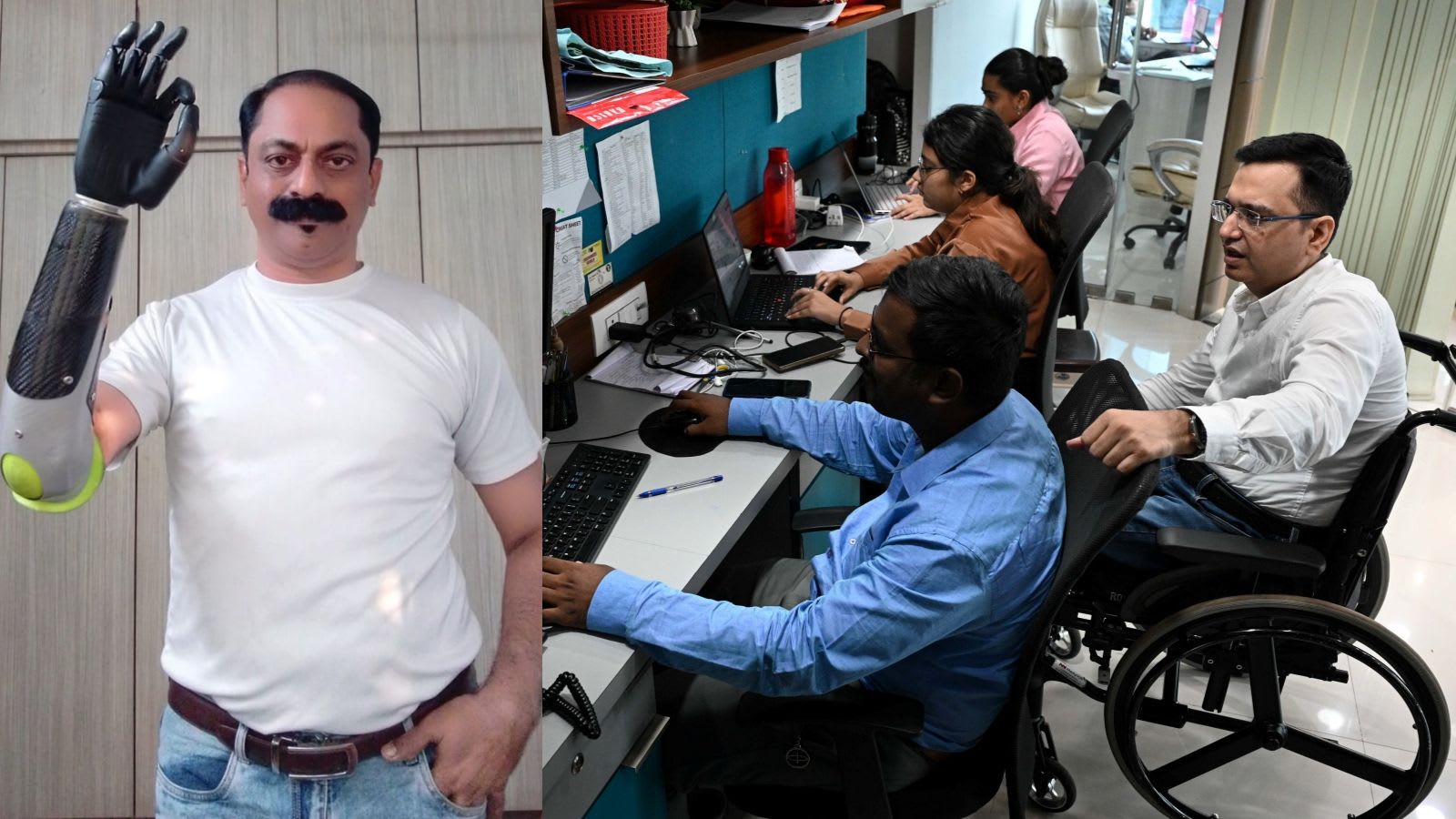
Twenty years after seven coordinated bomb blasts ripped through Mumbai’s packed Western Railway suburban trains during the evening rush hour on July 11, 2006, many of the survivors continue to carry t...
Two Decades of Trauma: Analyzing the Aftermath of the 7/11 Mumbai Blasts
The July 11, 2006, Mumbai train bombings represent one of the most harrowing chapters in the history of India's financial capital. Seven coordinated explosions ripped through the Western Railway suburban network during the peak evening rush hour, targeting the city's most vital transit artery. For the survivors, the event was not a momentary tragedy but the beginning of a lifelong struggle with physical disability, psychological scarring, and a frustratingly slow pursuit of legal closure. The headline "We don’t travel by train anymore" encapsulates a profound shift in the survivors' relationship with their city, transforming a daily routine into a source of enduring terror.
The Anatomy of a Targeted Assault
The 2006 attacks were specifically designed to maximize casualties by striking the 'lifeline' of Mumbai—the local trains. By detonating bombs in packed compartments during rush hour, the perpetrators ensured that the impact would be felt across a broad cross-section of society, from office goers to daily wage laborers. The coordination of the blasts within a mere 11-minute window suggests a high level of planning aimed at inducing mass panic and paralyzing the city's infrastructure. This event served as a grim precursor to the later 26/11 attacks, signaling a period of heightened vulnerability for Mumbai's high-density urban environments.
The Psychological Toll and the 'Fear of Transit'
One of the most striking aspects of the survivors' accounts is the lasting psychological impact, specifically the avoidance of the railway system. The statement that they no longer travel by train indicates a severe form of Post-Traumatic Stress Disorder (PTSD), where the site of the trauma becomes a permanent trigger. In a city like Mumbai, where the local train is essential for survival and mobility, this avoidance leads to social isolation and economic hardship. The trauma is compounded by the fact that the physical environment—the crowded platforms and the sound of rushing trains—remains largely unchanged, forcing survivors to relive the horror every time they encounter the railway network.
The Long Road to Legal Closure
Justice in the wake of the 7/11 blasts has been a protracted and agonizing process. While arrests were made and trials conducted, the survivors' continued wait for 'justice' suggests a gap between legal convictions and emotional closure. The complexities of the Indian judicial system, characterized by lengthy appeals and procedural delays, often leave victims in a state of limbo. For many, justice is not merely about the incarceration of the perpetrators but about a comprehensive acknowledgment of their suffering and a systemic effort to ensure that the scale of the crime is met with an equally significant legal response.
Systemic Failures in Rehabilitation
Beyond the courtroom, the struggle for justice extends to the lack of comprehensive rehabilitation. Survivors often report a lack of sustained mental health support and inadequate compensation for the lifelong disabilities caused by the blasts. The failure to provide holistic care—integrating medical, psychological, and financial support—means that the state's responsibility toward the victims ended far too soon. This systemic neglect exacerbates the trauma, as survivors feel abandoned by the institutions meant to protect and support them in the aftermath of a national tragedy.
Broader Implications for Urban Security
Historically, the 7/11 blasts forced a critical re-evaluation of security protocols within India's public transport systems. It highlighted the vulnerability of open-access transit hubs to coordinated attacks. In the years following, there was a surge in the deployment of CCTV surveillance and increased security presence at railway stations. However, the event also underscored the difficulty of securing 'soft targets' in mega-cities where the sheer volume of commuters makes individual screening impossible. The legacy of 2006 is thus a permanent tension between the need for open, efficient public transit and the necessity of rigorous security.
Conclusion: The Necessity of Memory and Justice
Twenty years later, the 7/11 Mumbai blasts remain an open wound. The survivors' testimonies serve as a critical reminder that the cost of terrorism is not measured solely in the immediate death toll, but in the decades of diminished quality of life for those who survived. Achieving true justice requires more than a court verdict; it requires a sustained commitment to the mental and physical well-being of the victims. As Mumbai continues to grow and evolve, honoring the memory of this tragedy means ensuring that the survivors are not left to carry their burdens in silence.