Ex-Pakistan spinner ‘scared’ to work under PCB if offered coaching position: ‘They sack you here and there’
Source Entity
Latest News: Todays Latest News Headlines from India & World | Hindustan Times | Hindustan Times
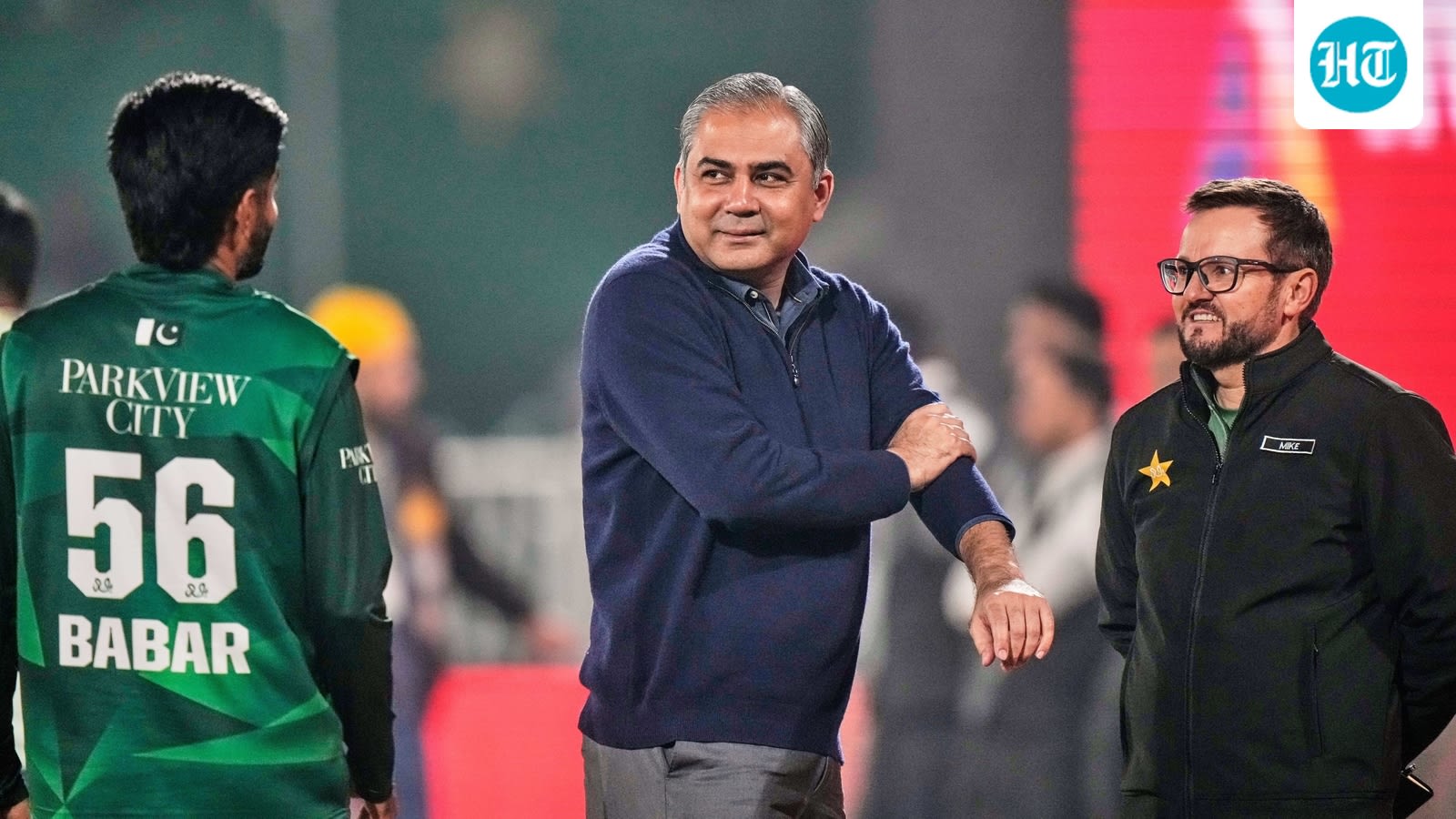
Former Pakistan spinner Mushtaq Ahmed has expressed reluctance to accept a coaching role with the PCB due to its history of instability. This follows the board's controversial decision to send players and coaches home early after a poor performance against England.
The Crisis of Confidence: PCB's Structural Instability
The recent statements by former Pakistan spinner Mushtaq Ahmed underscore a deepening crisis within the Pakistan Cricket Board (PCB). By openly admitting he is "scared" to accept a coaching role, Ahmed has highlighted the pervasive atmosphere of job insecurity that has come to define the organization. This sentiment is not merely a personal opinion but a reflection of a broader institutional trend where tenure is rarely tied to long-term performance metrics, but rather to the immediate, often volatile, reactions of board management.
The Fallout of the England Tour
The immediate catalyst for this apprehension is the recent decision by the PCB to prematurely send seven players—including notable names like Mohammad Rizwan, Imam-ul-Haq, and Salman Ali Agha—and two coaches, Sarfaraz Ahmed and Umar Gul, back home following consecutive defeats in the first two Tests against England. This reactionary move has sparked intense debate, serving as a textbook example of the "chopping and changing" culture that Ahmed criticizes. Such decisions often undermine the morale of the squad and suggest a lack of patience in long-term strategic development.
A Culture of Constant Turnover
Historically, the PCB has been infamous for its revolving-door policy regarding its leadership, coaching staff, and captaincy. This lack of continuity prevents the establishment of a coherent team identity and discourages high-level professionals from committing to the board. When legendary figures like Mushtaq Ahmed, who possess the expertise to elevate the national team, feel that the risks of employment outweigh the professional rewards, the board effectively narrows its talent pool, leaving the team vulnerable to stagnation.
Psychological Impact on Coaching Staff
Coaching at the international level requires a degree of psychological safety that allows for experimentation, failure, and subsequent adjustment. In the current PCB environment, the threat of being "sacked here and there" creates a high-pressure atmosphere where coaches may prioritize short-term survival over necessary, long-term structural changes. This environment fosters a defensive mindset, which is rarely conducive to the creative or tactical evolution required to compete with elite cricketing nations like England.
Future Trends and Institutional Reform
If the PCB continues its current trajectory of reactionary management, it risks alienating the very individuals it needs to restore its competitive edge. The future of Pakistan cricket depends on shifting from a culture of blame to one of accountability and support. Unless the board can provide a stable, secure framework for its staff and players, it will likely continue to struggle with attracting top-tier talent, ultimately hindering the national team's performance on the global stage.
Conclusion
Mushtaq Ahmed's reluctance to rejoin the PCB is a poignant critique of a system in desperate need of reform. While he expresses an eagerness to contribute to his country, the structural instability of the board acts as an insurmountable barrier. Addressing this issue requires more than just changing personnel; it requires a fundamental shift in how the PCB manages its human capital and handles the pressure of defeat.
Verification Required?