No non-veg at eateries along Kanwar Yatra route in Muzaffarnagar; owners need to display paper work
Source Entity
India Latest News: Top National Headlines Today & Breaking News | The Hindu
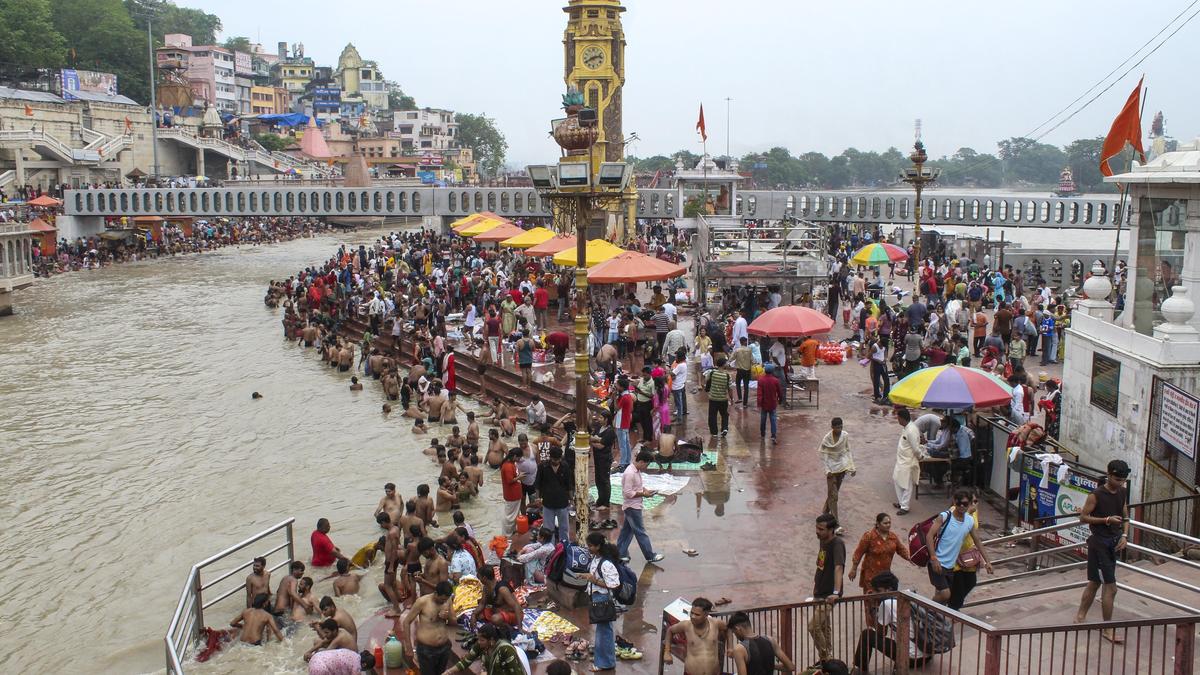
Authorities in Muzaffarnagar have banned non-vegetarian food, onions, and garlic in eateries along the Kanwar Yatra route. Business owners are also required to display their official documentation as part of an annual safety drive.
Regulatory Measures Enforced Ahead of Kanwar Yatra
As the annual Kanwar Yatra pilgrimage approaches, scheduled to commence on July 30, 2026, administrative authorities in Muzaffarnagar have implemented strict dietary and operational guidelines for businesses along the route. The Food Safety Department has initiated a comprehensive inspection drive, mandating that all roadside eateries and hotels cease the preparation and service of non-vegetarian food. This directive is part of a recurring set of protocols intended to manage the logistical and cultural sensitivities surrounding the massive influx of pilgrims during this period.
Restrictions on Ingredients and Culinary Practices
Beyond the prohibition of non-vegetarian food, Assistant Commissioner of Food, Archana Dheeran, confirmed that proprietors have been instructed to exclude onions and garlic from their cooking processes. These dietary restrictions align with traditional practices often observed during periods of intense religious austerity. By enforcing these standards across the entire yatra route, the local administration aims to maintain a specific environment that adheres to the preferences of the traveling devotees, citing these actions as consistent with practices performed in previous years.
Mandatory Documentation and Transparency
In addition to dietary mandates, the Food Safety Department has emphasized the importance of regulatory compliance for business owners. Establishments are required to prominently display their official paperwork, including valid food licenses. This administrative requirement is designed to ensure that all service providers operating along the high-traffic pilgrimage route are fully licensed and accountable, thereby enhancing oversight and public safety during the peak of the yatra.
Historical Context and Administrative Continuity
Local officials maintain that these measures are not novel developments but rather a continuation of established annual procedures. The consistency of these regulations suggests a structured approach to managing the Kanwar Yatra, where the state acts as an arbiter to harmonize the needs of local businesses with the requirements of the religious event. This recurring pattern indicates that such administrative interventions have become a standard feature of the regional pilgrimage infrastructure.
Broader Implications and Future Trends
The implementation of these rules highlights the ongoing intersection between public health administration and religious event management in India. As the yatra grows in scale, the pressure on local food safety departments to regulate commercial spaces increases. Future trends suggest that authorities will likely continue to formalize these check-points, placing greater emphasis on the display of credentials and strict adherence to food preparation guidelines as a means of preventing operational disruptions or public dissatisfaction during the pilgrimage season.
Verification Required?