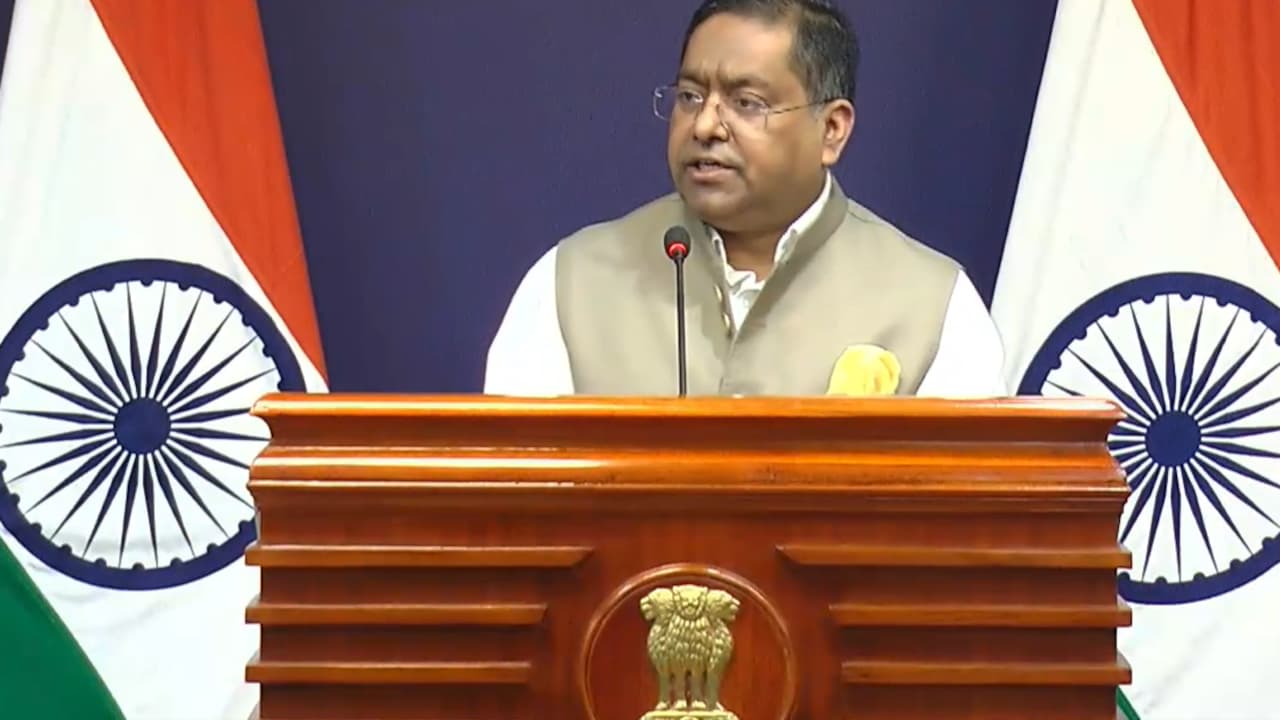
India Says It Backed Speedy Rohingya Return After UN Court Verdict
Source Entity
NDTV News Search Records Found 1000
The International Court of Justice has issued a historic ruling finding Myanmar responsible for state-sponsored genocide against the Rohingya minority. This landmark decision marks the first time a sovereign state has been held accountable for genocide under international law.
A Historic Legal Precedent
In a monumental decision that shifts the landscape of international human rights law, the International Court of Justice (ICJ) has ruled that Myanmar’s military committed state-sponsored genocide against the Rohingya Muslim minority. This verdict, delivered seven years after The Gambia initiated the proceedings, serves as a definitive judicial acknowledgment of the mass killings, widespread sexual violence, and atrocities perpetrated against Rohingya civilians in 2017. By confirming the legal threshold for genocide, the court has provided a long-awaited measure of justice for a community that has suffered systematic destruction.
The Gravity of State Responsibility
While international tribunals have previously convicted individuals for genocidal acts—most notably following the tragedies in Rwanda and the former Yugoslavia—this case represents a unique departure from legal history. For the first time since the inception of the 1948 Genocide Convention, an international court has held a sovereign state directly responsible for the crime of genocide. This shift underscores the difference between individual criminal liability and state accountability, setting a rigorous new standard for how nations are held to account for the actions of their security forces.
Contextualizing the 1948 Genocide Convention
To understand the magnitude of this ruling, one must look back to the post-World War II era. The 1948 Genocide Convention was designed as a global safeguard to ensure that the horrors of the Nazi Holocaust would never be repeated. However, the practical application of this convention has been historically difficult, as the legal definition of 'genocide'—which requires proof of intent to destroy a group in whole or in part—is notoriously complex to satisfy in court. The ICJ's ruling breathes renewed vitality into this foundational document, demonstrating that the international legal system can indeed function as a mechanism for accountability.
The Role of International Advocacy
It is significant that this case was brought to the ICJ by The Gambia, a predominantly Muslim nation that stepped forward to seek justice for the Rohingya despite having no direct territorial dispute with Myanmar. This act of international solidarity highlights the evolving nature of universal jurisdiction and the role of third-party states in upholding human rights. As legal experts like Arsalan Suleman have noted, this victory is not merely a regional matter but a global milestone that reaffirms the principle of international legal accountability.
Broader Implications and Future Trends
The impact of this ruling will likely reverberate through international diplomacy for decades. By formally labeling the 2017 actions of Myanmar’s security forces as genocide, the ICJ has stripped away the veneer of state sovereignty often used to shield perpetrators of mass atrocities. This precedent may embolden future human rights litigation and pressure the international community to adopt more robust enforcement mechanisms. As the world watches, the verdict serves as a stern warning to other regimes that state-sanctioned violence against minority populations will not be ignored by the international judicial order.
Multiple Citing Sources
Verification Required?