'Look at India', 'country of 2nd chances': 10 takeaways from Trump's White House presser
Source Entity
TRISHA MAHAJAN
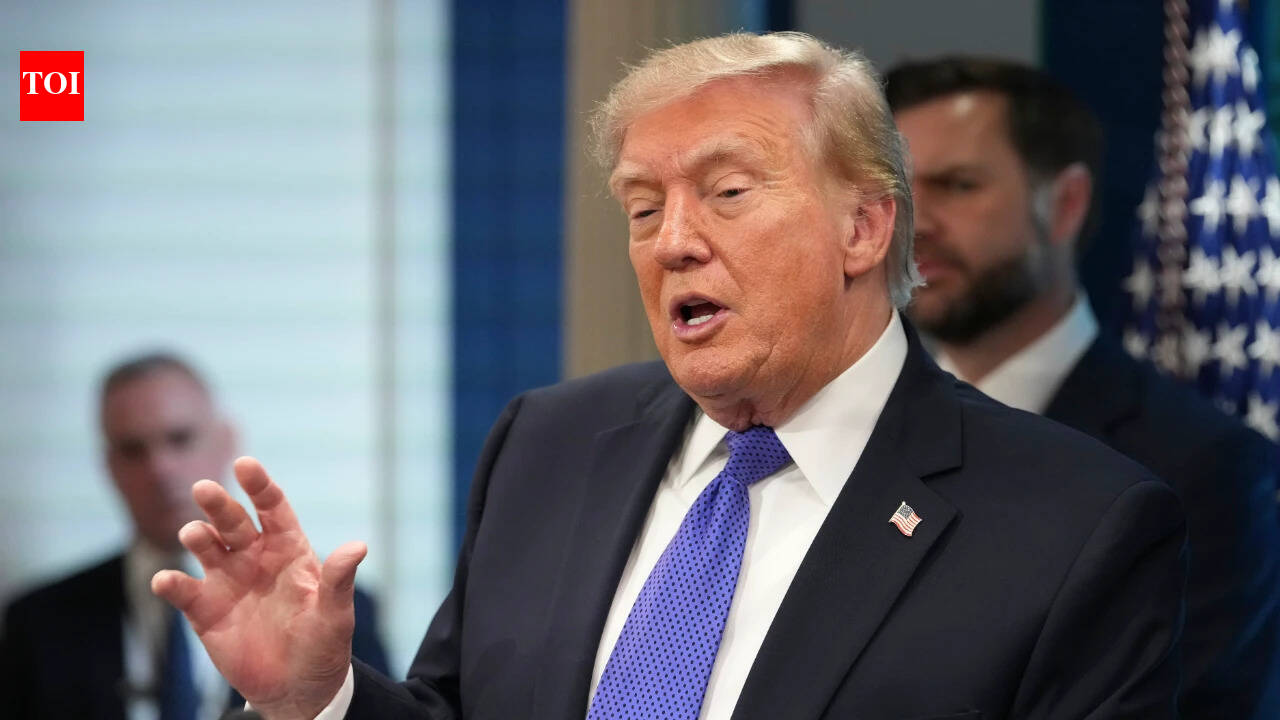
President Donald Trump has cited India's 7% economic growth rate to pressure the Federal Reserve for lower interest rates. During a White House briefing, he also addressed international trade, the Quad alliance, and proposed taxes on overseas data centers.
Trump Leverages India's Economic Growth to Pressure Federal Reserve
In a recent media briefing at the White House, President Donald Trump drew a sharp comparison between the United States and India, specifically highlighting India’s robust 7% GDP growth rate. By invoking India's economic performance, the President sought to build a case for the Federal Reserve to implement significant interest rate cuts. This move signals a continued administration focus on aggressive monetary easing to stimulate domestic investment, suggesting that the U.S. should mirror the growth-oriented environments observed in emerging markets like India.
The Quad Alliance and Strategic Economic Ties
Beyond domestic monetary policy, the President underscored the importance of the Quad alliance, a strategic security dialogue between the United States, India, Japan, and Australia. By lauding India’s economic prospects, the administration is signaling that India is viewed not just as a regional partner, but as a critical pillar of global economic stability. This shift in rhetoric emphasizes the administration's intent to deepen ties with New Delhi to counter broader geopolitical uncertainties and foster a trade environment that prioritizes high-growth partners.
Tech Policy and Offshore Data Centers
During the same briefing, the President addressed the rapidly evolving technology landscape, specifically offering support for former Nvidia CEO Jensen Huang. A notable policy proposal emerged regarding the taxation of offshore data centers. By threatening a 'tremendous tax' on data facilities constructed overseas, the administration is attempting to repatriate critical digital infrastructure. This aligns with a broader protectionist strategy aimed at keeping high-tech assets and data security within U.S. borders.
Geopolitical Stances: Iran and China
President Trump also navigated sensitive international waters, particularly regarding Iran. While indicating that Iran is open to negotiations, he remained firm that any deal must be on terms acceptable to his administration, rejecting current frameworks. Furthermore, on the technology front, he suggested strict limitations on exports to China, advocating that only older-generation chips should be sold to the country. This stance reflects a persistent desire to maintain U.S. technological superiority while mitigating potential security risks associated with advanced chip proliferation.
Domestic Strategy and Bipartisanship
In an unusual turn of events, the President offered rare praise for Democrat leaders, while simultaneously signaling a willingness to use the veto power to force legislative progress. This 'carrot and stick' approach suggests a calculated attempt to break political gridlock. With key administration figures like Vice President Vance and Senator Rubio defending these positions, the briefing served as a comprehensive platform to unify the administration's stance on everything from central bank independence to global trade agreements.
Future Trends and Implications
Looking ahead, the pressure on the Federal Reserve to align with the President's growth-focused vision will likely remain a centerpiece of the economic narrative. If the administration continues to frame interest rate policy through the lens of international competition, we may see a more politicized debate regarding the central bank’s autonomy. Coupled with the proposed taxes on offshore tech infrastructure, the administration is clearly charting a course toward economic nationalism that seeks to leverage foreign growth success stories to reshape domestic policy.