Mysuru records 99.47% voter form distribution
Source Entity
India Latest News: Top National Headlines Today & Breaking News | The Hindu
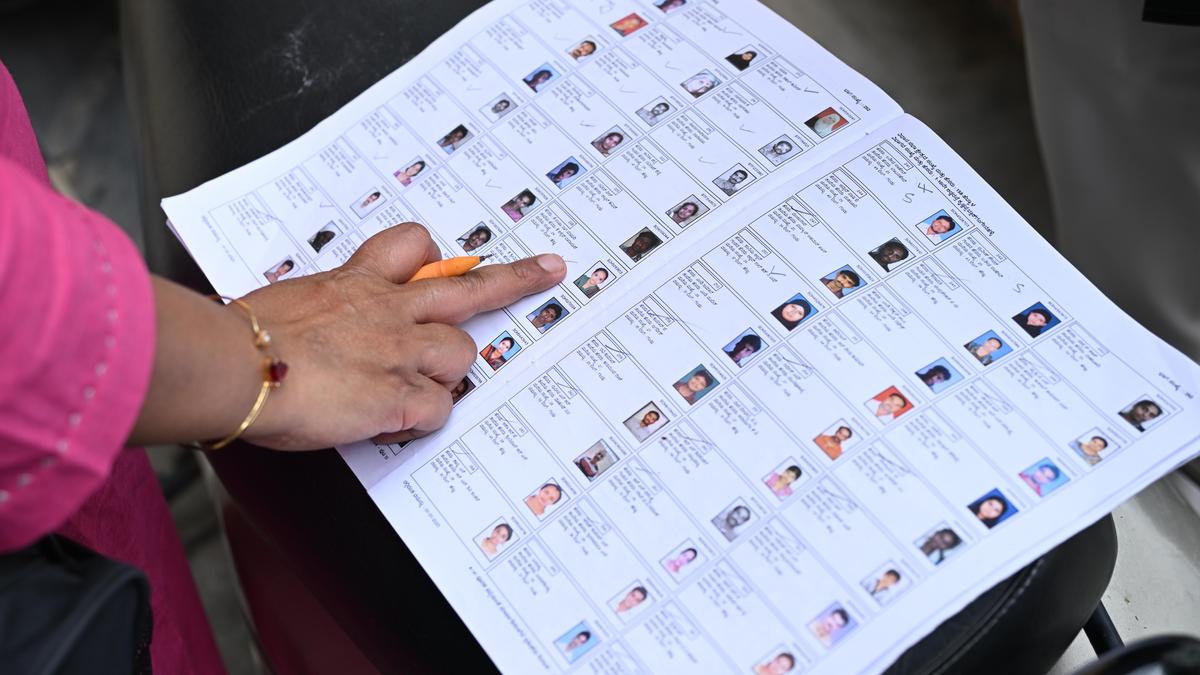
Mysuru district has achieved 99.47% distribution of enumeration forms (EFs) under the ongoing Special Intensive Revision (SIR) of electoral rolls, with 27,84,750 forms distributed among 27,99,693 elec...
Mysuru's Administrative Milestone in Electoral Preparedness
Mysuru district has reported a significant administrative achievement, reaching a distribution rate of 99.47% for enumeration forms (EFs) under the Special Intensive Revision (SIR) of electoral rolls. With 27,84,750 forms distributed among a total of 27,99,693 electors, the district has demonstrated an exceptional level of logistical coordination. This process is a critical component of maintaining the integrity of the democratic process, ensuring that the voter list is current, accurate, and inclusive.
The Mechanics of Special Intensive Revision (SIR)
The Special Intensive Revision is not merely a routine update but a comprehensive audit of the electoral database. By distributing enumeration forms door-to-door, the administration aims to verify the residency and eligibility of every registered voter. This process is essential for removing 'ghost voters'—individuals who may have deceased or relocated—while simultaneously capturing new eligible voters who have turned 18. The sheer scale of distributing nearly 28 lakh forms suggests a highly mobilized workforce of Booth Level Officers (BLOs) and administrative staff working across diverse urban and rural terrains within the Mysuru district.
Implications for Democratic Integrity
High distribution rates are directly correlated with the quality of the final electoral roll. When nearly 100% of forms are distributed, the risk of disenfranchisement decreases significantly. For the citizens of Mysuru, this means a reduction in disputes at polling stations regarding voter eligibility and a more streamlined voting experience. From a systemic perspective, such meticulous data collection prevents electoral fraud and ensures that the mandate reflecting the will of the people is based on a clean and verified dataset, thereby strengthening the legitimacy of future election results.
Logistical Challenges and Execution
Achieving a 99.47% success rate is a formidable task that involves overcoming various ground-level challenges. In a district like Mysuru, which blends bustling urban centers with remote agricultural pockets, ensuring that forms reach every household requires precise mapping and persistent follow-ups. The success of this drive indicates a robust communication chain between the district election office and the field officers. It also suggests a high level of civic cooperation from the residents, who must be available and willing to engage with the enumeration process to achieve such a high percentage.
Future Trends in Electoral Management
While the current process relies heavily on physical enumeration forms, this high achievement sets a benchmark for the transition toward digital electoral management. The data gathered from these 27.8 lakh forms will likely serve as the foundation for digitized voter IDs and integrated databases. As India moves toward more tech-driven governance, the success of traditional, ground-level saturation drives like this one in Mysuru ensures that the digital transition is based on accurate, verified physical data rather than flawed legacy lists.
Conclusion
In summary, Mysuru's achievement of 99.47% voter form distribution is a testament to efficient administrative execution and civic engagement. By ensuring that almost every eligible elector is accounted for during the Special Intensive Revision, the district has laid a solid foundation for transparent and inclusive elections. This effort not only secures the voting rights of the current population but also establishes a rigorous standard for electoral roll maintenance that other districts can emulate to enhance the overall health of the democratic process.
Verification Required?