N Chandrasekaran's Exit Clock Ticking, Hunt For His Successor Hits Regulatory Roadblock
Source Entity
NDTV News Search Records Found 1000
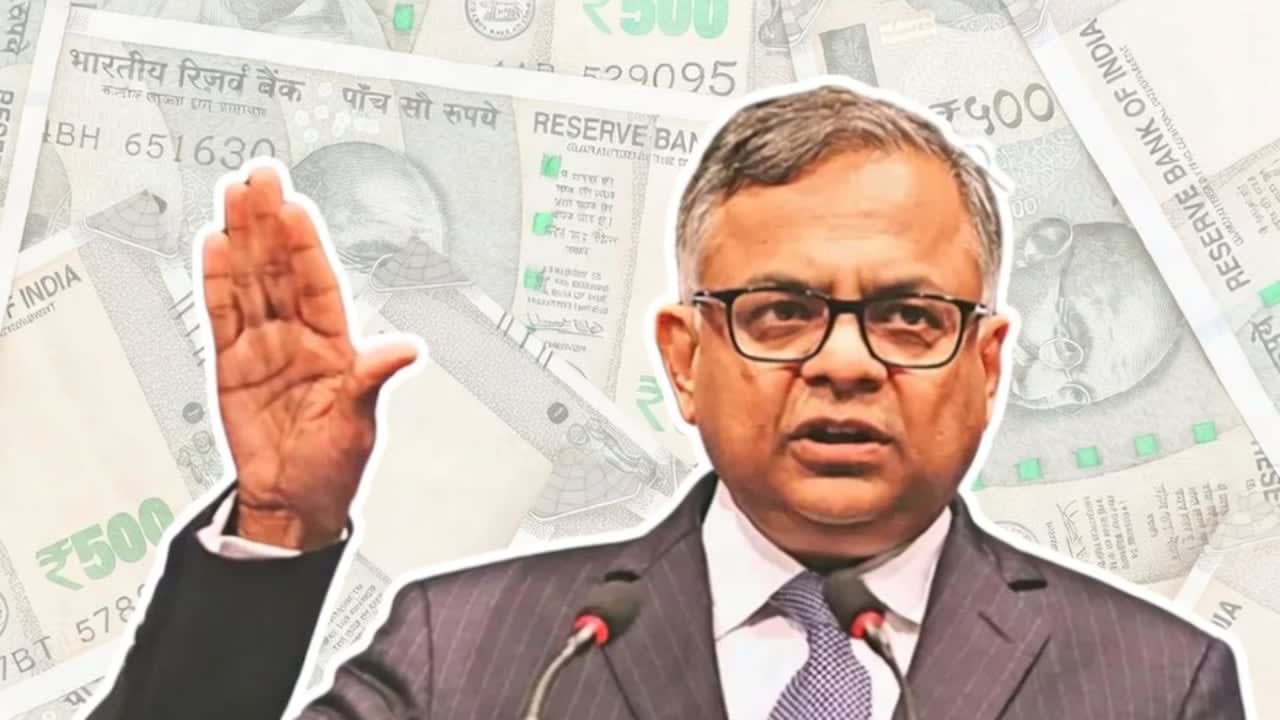
N Chandrasekaran has officially informed the Tata Sons board that he will not seek another term as chairman. This decision has triggered a complex search for his successor, which is currently facing significant regulatory hurdles.
The Impending Leadership Transition at Tata Sons
N Chandrasekaran, the long-standing chairman of Tata Sons, has formally notified the board of his decision not to pursue an additional term in his current capacity. This announcement marks a pivotal moment for the conglomerate, signaling the conclusion of an era defined by significant restructuring and strategic shifts within one of India’s most influential business houses. As the leadership clock begins to tick, the organization must now navigate the delicate process of executive succession, a task complicated by the scale and diversity of the Tata Group’s global operations.
The Complexity of Succession
The transition process is rarely straightforward for a titan like Tata Sons, which encompasses a massive footprint across steel, software, automotive, and retail sectors. The search for a successor involves balancing the need for institutional continuity with the requirement for a leader capable of steering the group through the rapidly evolving digital and green energy landscapes. The current leadership has focused heavily on digital transformation and infrastructure, setting a high benchmark for any prospective candidate who intends to maintain the group's competitive edge.
Navigating Regulatory Roadblocks
Central to the current discourse is the emergence of significant regulatory roadblocks that have impeded the identification and appointment of a new chairman. These hurdles suggest that the selection process is subject to intense scrutiny, likely involving compliance with governance standards, corporate law, and potentially oversight from regulatory bodies concerned with the group’s systemic importance. The regulatory environment in which large Indian conglomerates operate has tightened significantly, requiring a more rigorous and transparent approach to executive appointments than in previous decades.
Implications for Corporate Governance
This development serves as a litmus test for the group’s internal governance mechanisms. The transition highlights the tension between private corporate autonomy and public regulatory accountability. As the board grapples with these legal and procedural challenges, the industry is watching closely to see how Tata Sons addresses these constraints while ensuring the stability of its massive subsidiary network. The resolution of these hurdles will likely set a precedent for how large Indian entities manage leadership changes in an increasingly regulated market.
Future Trends and Market Outlook
The eventual appointment of a new chairman will be a defining trend for the group’s trajectory over the next decade. Investors and stakeholders are particularly interested in whether the group will prioritize an internal candidate who understands the complex 'Tata way' or look externally to drive a more radical strategic pivot. The current regulatory friction suggests that the path forward will be cautious, prioritizing stability and adherence to high-level corporate governance mandates over rapid, disruptive changes.
Conclusion
In summary, N Chandrasekaran’s departure creates a vacuum that requires careful management to prevent any loss of momentum. By acknowledging the regulatory roadblocks early, the board has signaled that it is taking a methodical approach to succession. The future of Tata Sons now rests on its ability to reconcile these external regulatory pressures with the internal necessity for visionary leadership, ensuring that the group remains a cornerstone of the Indian economy.
Verification Required?