Press clubs must become institutional force to defend media freedom: N. Ram
Source Entity
India Latest News: Top National Headlines Today & Breaking News | The Hindu
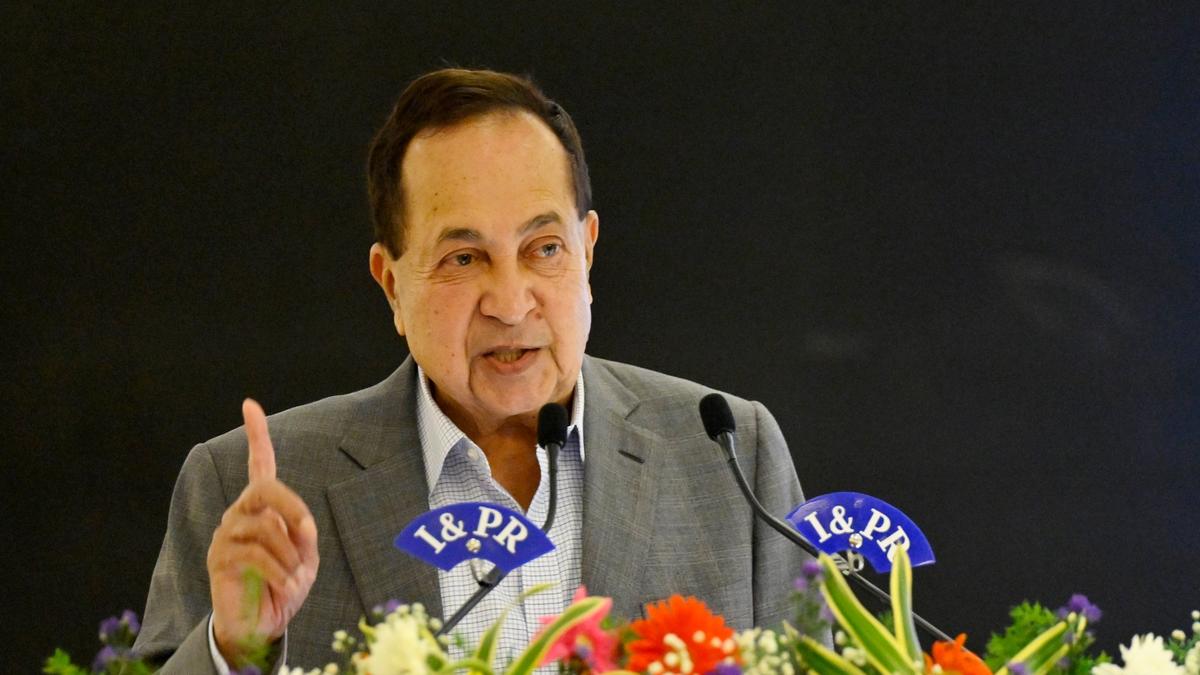
N. Ram has urged Indian press clubs to evolve into institutional defenders of media freedom to combat declining public trust. He highlighted that both external misinformation and internal failings like sensationalism are responsible for the current credibility crisis.
The Imperative for Institutional Media Reform
In a recent address at the National Conclave of the Federation of Press Clubs in Hyderabad, N. Ram, Director of The Hindu Group, articulated a critical vision for the future of Indian journalism. He asserted that legal and constitutional protections, while foundational, are insufficient to shield a free press in the modern era. Instead, he argued that media organizations and press clubs must transform into robust, institutional forces capable of self-regulation and active defense of democratic values.
The Dual Crisis: Trust and Independence
The core of N. Ram’s argument rests on the identification of a two-fold threat: the erosion of public trust and the encroachment upon editorial independence. These challenges are not merely external; they are inextricably linked. When public trust wanes, the media’s ability to act as a 'fourth estate' is compromised, making it easier for political and corporate interests to undermine journalistic autonomy without facing significant societal pushback.
Internal Failings and the Credibility Deficit
Crucially, N. Ram’s analysis avoids the trap of blaming external forces entirely. He explicitly noted that sections of the media have contributed to their own decline. Issues such as the rise of sensationalism, the failure to adhere to rigorous verification standards, the proliferation of communal rhetoric, and an unhealthy proximity to political power have severely damaged the credibility of the profession. This internal decay serves as a catalyst for the broader trust deficit currently facing the industry.
The Impact of the Digital Information Ecosystem
Beyond internal failings, the external landscape has become increasingly hostile. The rapid spread of political propaganda, coupled with the systemic challenges posed by misinformation and disinformation on social media platforms, has created an environment where objective truth is often obscured. This digital chaos makes the role of traditional, accountable media institutions more vital than ever, yet paradoxically, it also makes their work significantly more difficult to execute effectively.
Press Clubs as Proactive Guardians
N. Ram’s call for press clubs to play a proactive role marks a shift from viewing these organizations as mere social or professional hubs to treating them as essential democratic infrastructure. By fostering higher ethical standards, engaging in media literacy, and providing a unified front against the threats of censorship and disinformation, these clubs could serve as a vital check on both state overreach and the industry's own internal lapses.
Future Trends and Conclusion
The future of media freedom in India may well depend on whether professional bodies can successfully pivot toward this institutional advocacy role. If the press can collectively address its internal credibility issues while simultaneously defending its independence against external propaganda, it may regain the public's confidence. Ultimately, as N. Ram suggests, the survival of a free press is not just a legal battle, but a continuous effort to earn and maintain the trust of the citizenry it serves.
Verification Required?