Manipur on boil again: Naga body gives 48-hour ultimatum to return man’s severed head
Source Entity
LAIRENLAKPAM WARLI
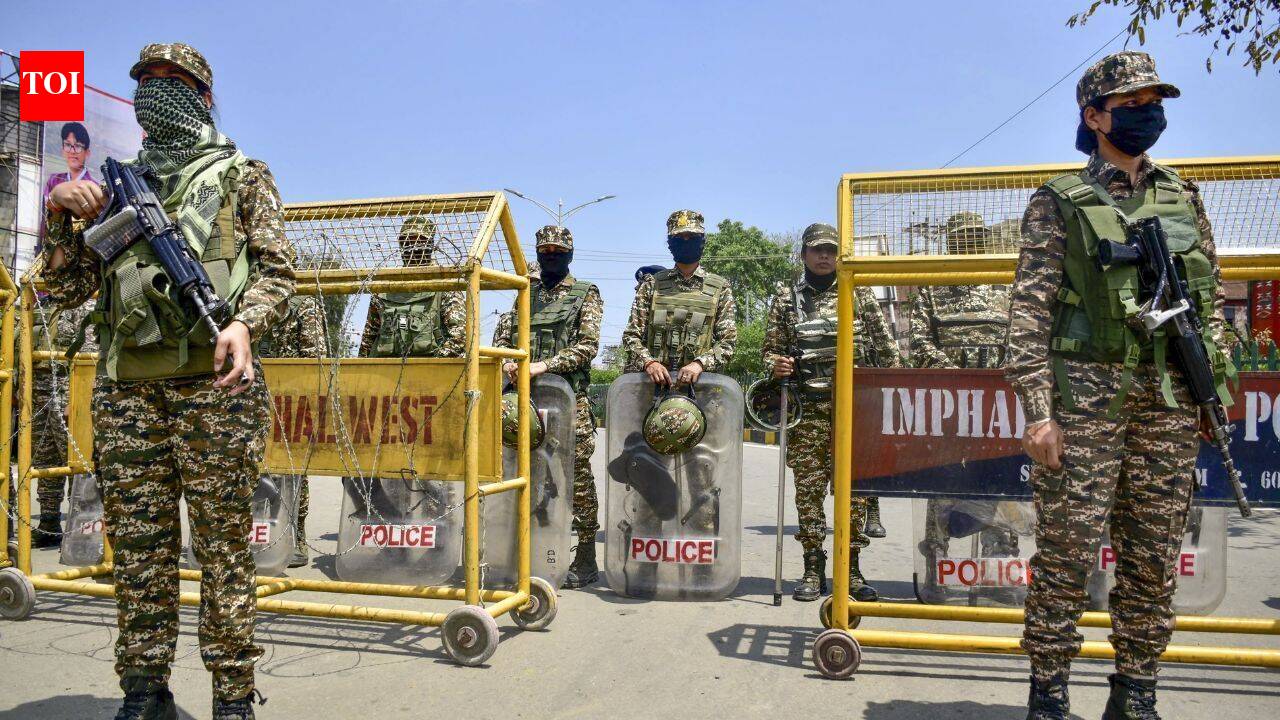
A Naga civil society group has issued a 48-hour ultimatum demanding the return of a man's severed head following a violent militant attack in Manipur's Kangpokpi district. The incident, which has exacerbated regional ethnic tensions, has led to a standoff regarding the victim's post-mortem proceedings.
Escalating Violence in Manipur: The Case of the Missing Remains
Recent reports from Manipur have highlighted a disturbing escalation in the ongoing ethnic conflict, centered on the brutal killing of 52-year-old Ajinbou R. in Kangpokpi district. The incident, which occurred on October 10, 2026, during an attack on Makui Ashang village, has reached a gruesome nadir with the reported decapitation of the victim. The circulation of a viral video depicting the severed head in the possession of armed militants has not only shocked the local population but has also served as a catalyst for further civil unrest in an already volatile region.
The Ultimatum and Civil Society Response
In response to this horrific act, the Joint Tribes Council Manipur has issued a 48-hour ultimatum, demanding the return of the victim's head to his family. This demand has stalled standard legal and medical procedures, as the council has declared that no post-mortem will be conducted on the headless body until the remains are recovered. This standoff reflects a deep-seated frustration among local Naga civil society organizations, who view the desecration of the deceased not merely as a criminal act, but as a symbolic assault on the dignity of their community.
Contextualizing the Regional Conflict
Manipur has been experiencing a period of intense instability, characterized by sporadic but lethal clashes between various ethnic factions, including Kuki and Naga tribes. The attack on Makui Ashang village is part of a broader trend of violence, with at least nine people reported killed in various firing incidents over a single weekend in October 2026. These events underscore the fragility of the peace in the region, where historical grievances and modern militant activities often collide, leaving civilian populations caught in the crossfire.
Implications of Militant Presence
The presence of heavily armed militants in camouflage, as documented in the viral footage, suggests a high level of organization and defiance among the perpetrators. This visibility challenges the state's authority and complicates the security apparatus's ability to maintain order. By using extreme violence as a psychological tool, these groups aim to assert territorial control and intimidate rival factions, further entrenching the cycle of retribution that has plagued Kangpokpi and the surrounding districts.
Challenges for State Intervention
The Chief Minister of Manipur has officially condemned the violence and signaled the need for immediate safety measures. However, the efficacy of these interventions remains under scrutiny. As the 48-hour ultimatum expires, the government faces the dual challenge of de-escalating ethnic tensions while simultaneously conducting a credible investigation into the militant attack. The failure to secure the return of the victim's remains risks alienating local communities further, potentially creating a vacuum that could be filled by more hardline elements.
Future Trends and Outlook
Looking ahead, the situation in Manipur remains precarious. If the state cannot demonstrate control over the law-and-order situation, the reliance on tribal civil society organizations to mediate or demand justice will likely increase. This shift could lead to a fragmentation of authority, where tribal councils act as parallel power structures. Stabilizing the region will require not only immediate security crackdowns on militant groups but also a sustained effort to address the underlying communal mistrust that continues to drive these cycles of violence.