2 Brothers Killed, Mother Injured In Landslide In Nagaland
Source Entity
NDTV News Search Records Found 1000
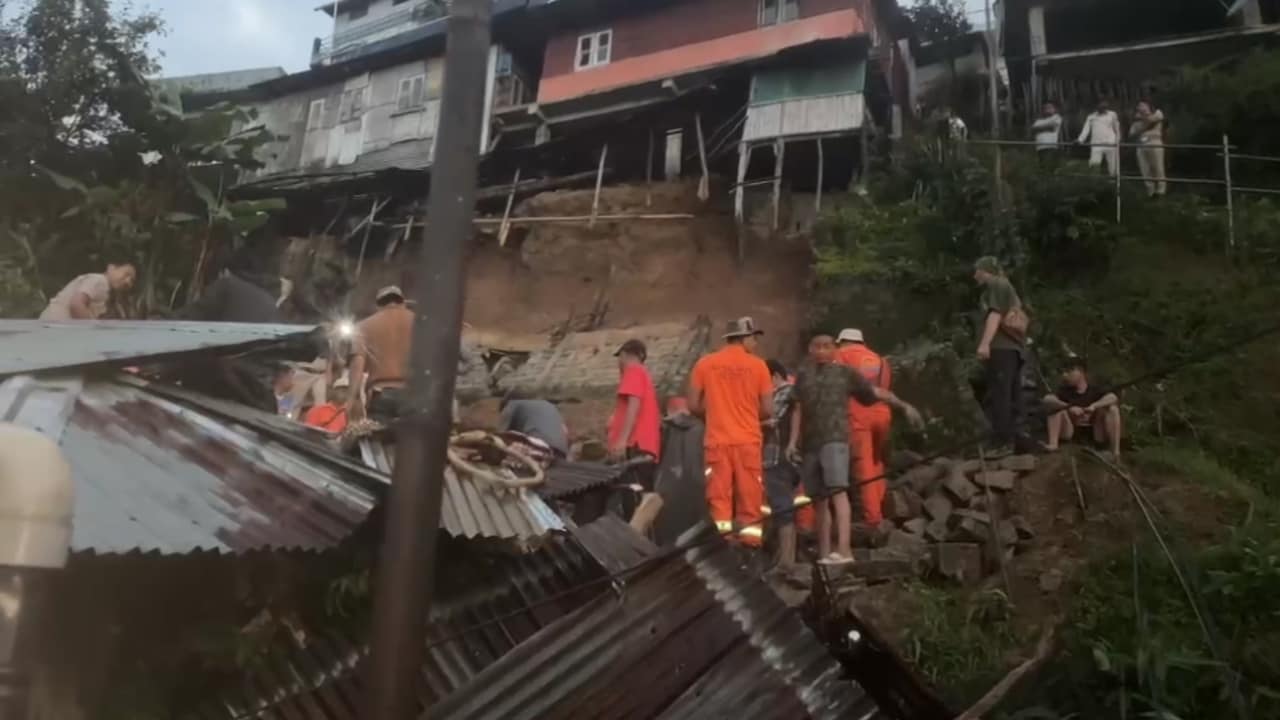
A tragic landslide in Nagaland has claimed the lives of two brothers and left their mother injured. The families are currently transporting the victims' remains to their native village of Alisopur for final rites.
Tragedy Strikes in Nagaland: Understanding the Landslide Incident
A devastating landslide in Nagaland has resulted in the tragic loss of two brothers, while their mother sustained injuries in the same incident. The event serves as a grim reminder of the volatile geological conditions often faced by residents in the mountainous regions of Northeast India. Following the recovery of the victims, their bodies have been transported to their native village of Alisopur to perform the necessary final rites, marking a somber period for the local community.
Geological Vulnerability and Environmental Context
Nagaland, situated in a highly seismic and terrain-heavy zone, is frequently susceptible to landslides, particularly during periods of intense rainfall or shifting soil stability. The topography of the region, characterized by steep slopes and loose geological composition, makes infrastructure and human settlements inherently vulnerable to sudden shifts in earth. This incident highlights the persistent risks faced by families residing in or traveling through these hazardous zones, where natural disasters can occur with little to no warning.
The Human Toll and Community Impact
The loss of two siblings in a single event is a profound tragedy that reverberates far beyond the immediate family. As the community in Alisopur prepares for the funeral proceedings, the emotional and social impact of such sudden environmental catastrophes underscores the need for robust disaster management support. The injury sustained by the mother further complicates the recovery process, requiring both medical attention and long-term psychological support for the grieving family.
Broader Implications for Disaster Preparedness
Incidents like this necessitate a comprehensive look at regional disaster preparedness and the safety of transit routes in hilly terrain. While local authorities often attempt to mitigate risks through road maintenance and slope stabilization, the unpredictability of landslides continues to pose a significant challenge. Ensuring that residents have access to real-time weather warnings and that high-risk areas are clearly marked is essential for preventing future loss of life.
Future Trends and Safety Considerations
As climate patterns become increasingly erratic, the frequency and intensity of landslides in Northeast India may continue to rise. Future policy initiatives must prioritize sustainable land-use planning and the reinforcement of vulnerable slopes near residential settlements. By integrating traditional knowledge with modern engineering, the state can better protect its citizens from the environmental pressures that define life in the foothills of the Himalayas.
Conclusion
In summary, the tragic death of the two brothers and the injury of their mother in Nagaland is a stark example of the dangers posed by the region's unique geography. As the family finds closure in their native Alisopur, the event stands as a call to action for increased vigilance, improved disaster response infrastructure, and a deeper commitment to safeguarding human life in the face of natural hazards.
Verification Required?