Cockroach Janta Party calls for Manan Mishra's resignation as CJI slams move against NALSAR batch
Source Entity
Latest News: Todays Latest News Headlines from India & World | Hindustan Times | Hindustan Times
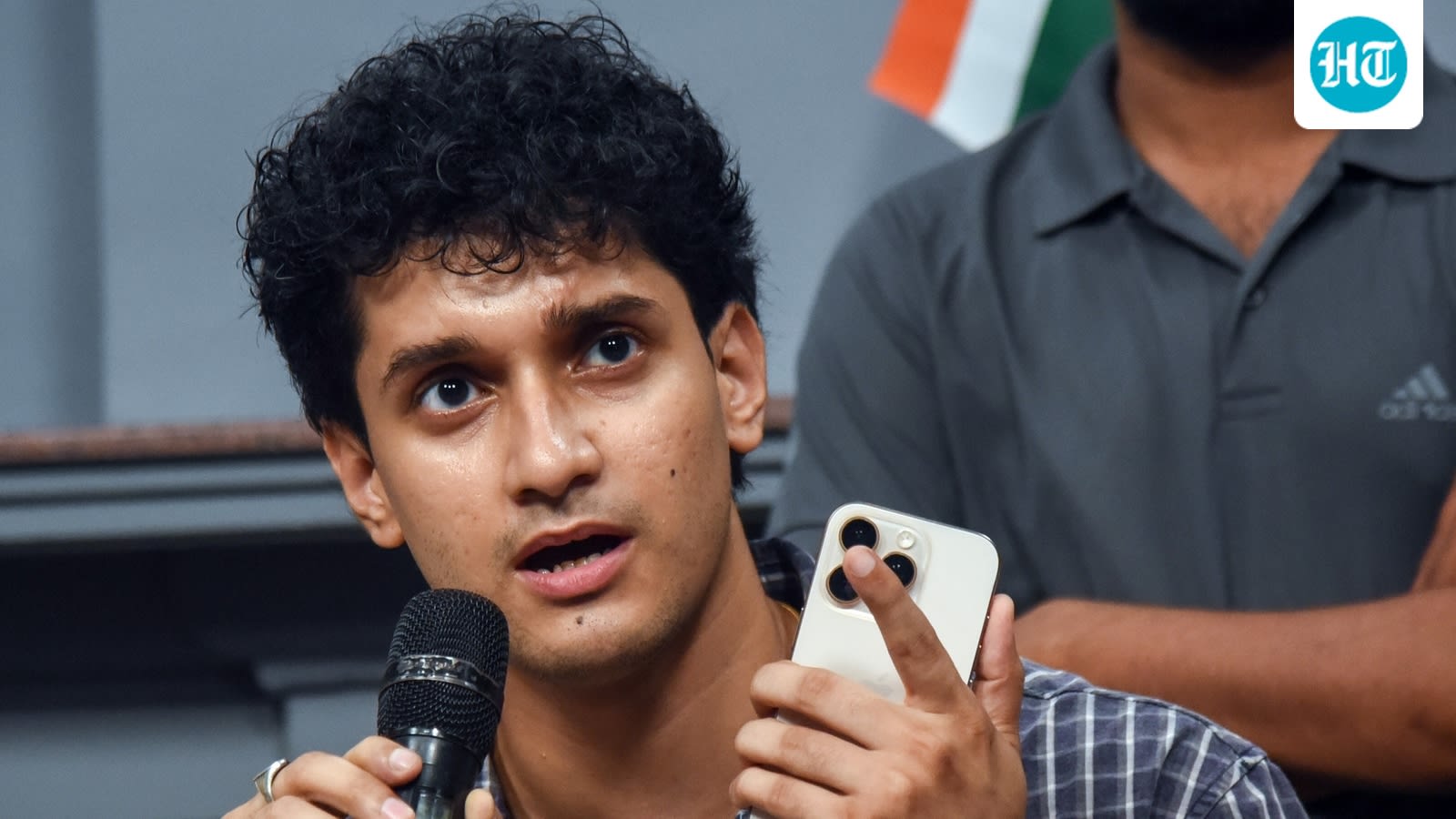
The Bar Council of India briefly suspended the enrollment of NALSAR's 2026 law graduates following a student-led campaign against the Chief Justice of India's convocation invite. The BCI has since withdrawn the freeze but continues to demand a report on the individuals responsible for the protest.
The NALSAR-BCI Standoff: A Crisis of Academic and Professional Conduct
The academic and legal landscape in India recently witnessed a significant confrontation between the Bar Council of India (BCI) and NALSAR University of Law, Hyderabad. The dispute centered on a student-led campaign protesting the presence of Chief Justice of India (CJI) Surya Kant at the university's upcoming convocation ceremony. The BCI, acting with unprecedented speed, initially issued a directive to state bar councils to halt the enrollment of all 2026 NALSAR graduates as advocates, effectively putting the professional future of an entire graduating class in jeopardy.
The BCI's Regulatory Stance
BCI Chairman Manan Kumar Mishra spearheaded the intervention, characterizing the student protests as an "organized campaign" that necessitated immediate regulatory oversight. By freezing the enrollment process, the BCI sent a stern message regarding the decorum expected of law students toward the judiciary. This move highlights the BCI’s broad authority under the Advocates Act, 1961, to oversee legal education and entry into the profession, asserting its role as the gatekeeper of the legal fraternity's professional standards.
The Institutional Reversal
In a dramatic shift, the BCI withdrew its initial order just hours after its issuance. While the immediate threat to the students' careers was lifted, the institution has not abandoned its inquiry. The BCI continues to demand a comprehensive, factual report from NALSAR administration, specifically requiring the identification of those who were instrumental in organizing the dissent. This indicates that while the collective punishment of the batch has been rescinded, the pursuit of accountability remains a top priority for the council.
Implications for Legal Education
This event underscores the delicate balance between academic freedom and the professional obligations inherent in the study of law. As law schools in India operate as training grounds for the future bench and bar, the BCI views any public opposition to judicial figures as a potential breach of the professional ethics expected of aspiring lawyers. The incident raises critical questions about how institutions should manage internal dissent while maintaining institutional respect for the highest judicial offices in the country.
Historical Context and Future Trends
Historically, the BCI has maintained a protective stance over the image of the judiciary, often intervening when it perceives that the decorum of the legal profession is being compromised. This episode suggests a growing trend where regulatory bodies are becoming more proactive in monitoring the political climate within elite law schools. Moving forward, NALSAR and other premier institutions may face increased pressure to ensure that student initiatives do not cross the threshold from academic expression into what the council deems as professional misconduct.
Conclusion
The resolution of the enrollment freeze provides temporary relief to the 2026 NALSAR cohort, but the underlying friction between student activism and the regulatory expectations of the Bar Council remains palpable. As the investigation into the organizers of the campaign proceeds, the outcome will likely set a precedent for how future protests within law schools are handled, potentially reshaping the boundaries of student expression in the Indian legal education system.
Multiple Citing Sources
Verification Required?