Nandan Nilekani exam reforms panel gets extension till January 2027; receives 50,000 suggestions
Source Entity
The Indian Express
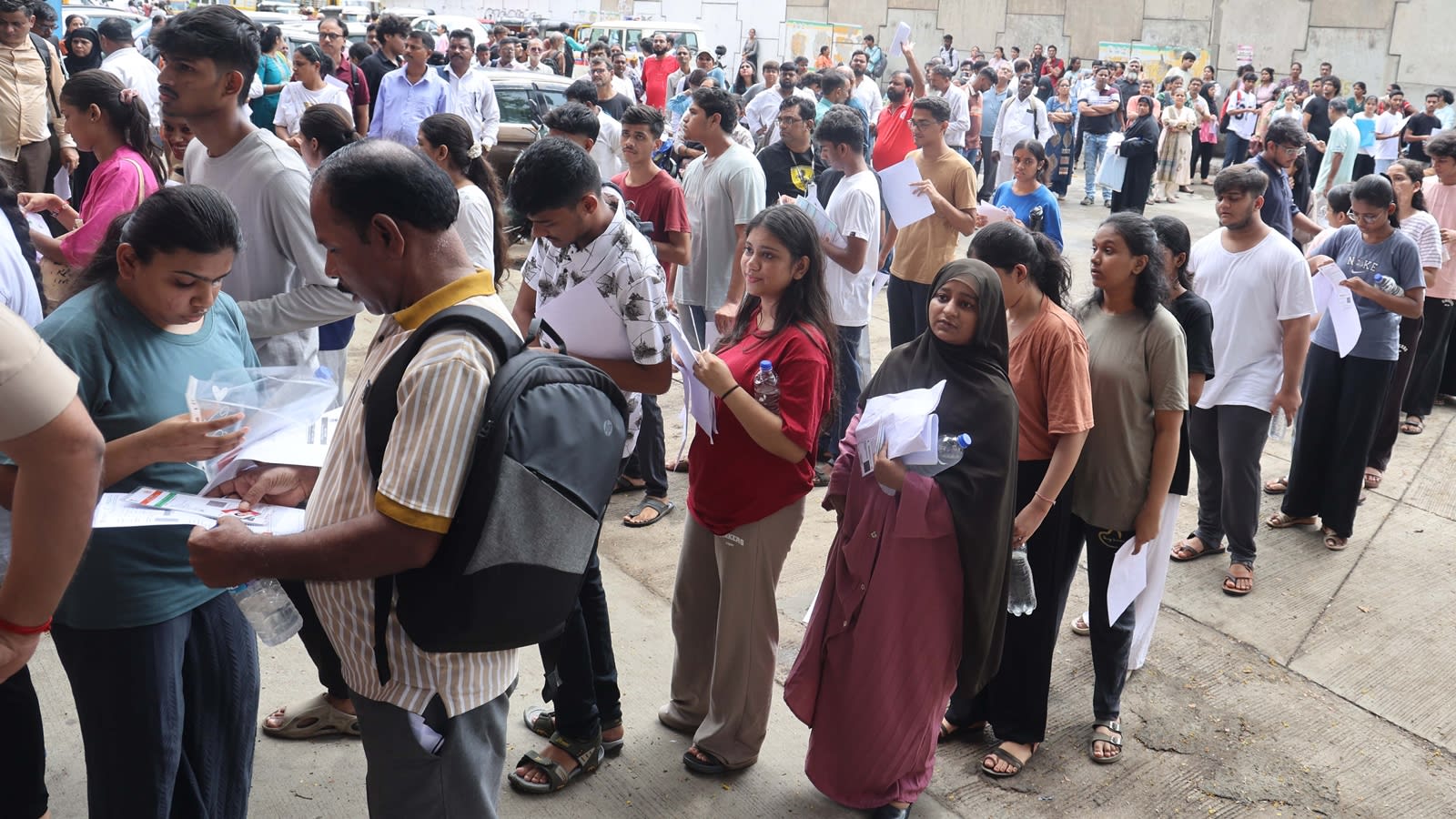
The Centre has extended the tenure of the Nandan Nilekani-led High Powered Task Force on examination reforms until January 2027. This decision follows the receipt of over 50,000 public suggestions aimed at fortifying the integrity of national-level entrance exams.
Strengthening India's Examination Infrastructure
The decision by the Union government to extend the tenure of the High Powered Task Force (HPTF), chaired by Nandan Nilekani, until January 2027 marks a significant pivot in the administration's approach to national-level testing. Originally constituted in July in the immediate aftermath of the NEET-UG paper leak controversy, the committee was tasked with overhauling the systemic vulnerabilities that have plagued the country's high-stakes entrance examinations. By granting this extension, the government acknowledges the sheer complexity of the task at hand.
A Massive Public Engagement Effort
One of the most notable aspects of the HPTF’s mandate is its commitment to participatory governance. The panel has already processed over 50,000 suggestions from a diverse cross-section of society, including students, parents, educators, and industry leaders. This massive volume of feedback indicates a deep-seated public anxiety regarding exam security and a collective desire for a more robust, transparent, and technology-driven testing framework. The extension ensures that these voices are not merely collected but meticulously integrated into the final policy recommendations.
The Shift from October 2026
Initially, the committee was expected to conclude its deliberations by October 2026. The shift in the timeline to January 2027 reflects the government's realization that structural reforms in examination integrity cannot be rushed. Ensuring the security of national tests requires a delicate balance between digital surveillance, logistical streamlining, and minimizing human intervention. The extra time will allow the panel to conduct rigorous pilot testing of potential security protocols before they are codified into national policy.
Legal Accountability and Transparency
Beyond the administrative scope, the HPTF's work is under the direct scrutiny of the judicial system. The Centre has submitted an affidavit to the Supreme Court detailing the progress of the panel, signaling that the government is treating this as a matter of high legal and constitutional priority. This transparency serves to reassure the public that the reforms are not merely bureaucratic maneuvering but are grounded in a court-monitored commitment to preventing future disruptions in the academic calendar.
Future Implications for Competitive Exams
The long-term goal of the Nandan Nilekani-led panel is to establish a 'gold standard' for national-level examinations that can withstand both technological threats and administrative lapses. As India continues to rely on centralized testing for millions of students to access higher education, the recommendations emerging from this task force will likely redefine how exams are conducted, monitored, and evaluated for decades to come. By prioritizing deep stakeholder analysis, the panel is positioning itself to deliver a comprehensive roadmap for a more resilient, technology-enabled testing ecosystem.