Nandigram and Rejinagar bypoll: Ballot without the battle
Source Entity
India Latest News: Top National Headlines Today & Breaking News | The Hindu
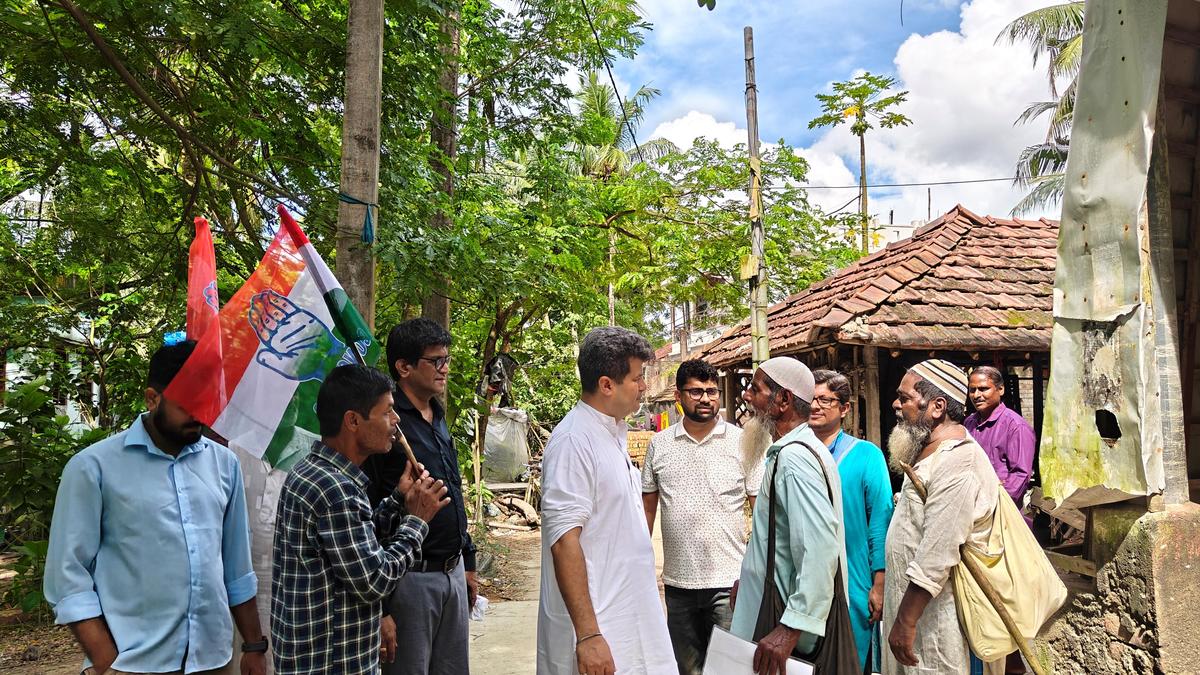
The Nandigram and Rejinagar bypolls in West Bengal are facing scrutiny due to reports of candidate intimidation and withdrawals. These elections occur amidst a shift in the Trinamool Congress's political branding and the BJP's dominant assembly presence.
The Evolving Landscape of West Bengal Bypolls
The upcoming bypolls for the Nandigram and Rejinagar Assembly constituencies in West Bengal, scheduled for October 6, represent a peculiar moment in the state's electoral history. While by-elections are typically high-stakes affairs that serve as a barometer for public sentiment, these specific contests are characterized by an unusual lack of competitive vitality. Reports from the ground suggest that the democratic process is being stifled, as candidates from non-BJP parties face significant hurdles, including alleged intimidation and forced dropouts, which fundamentally alter the nature of the electoral contest.
Legislative Context and Power Dynamics
To understand the gravity of these bypolls, one must consider the current composition of the West Bengal Assembly. With the Bharatiya Janata Party (BJP) commanding the support of 207 MLAs out of 294, the political landscape is heavily skewed. These by-elections were necessitated by the resignation of elected representatives who secured seats in multiple constituencies during the state elections held earlier this year. This legislative vacuum has provided an opportunity for the ruling party to consolidate its influence, yet the reports of restricted opposition participation raise serious questions about the health of the electoral process.
Branding Shifts and Political Symbolism
Adding a layer of intrigue to these bypolls is the strategic shift within the Trinamool Congress. In a historic departure from its traditional 'flowers-and-grass' insignia, the party is contesting these elections under the symbol of a footballer. This rebranding is more than cosmetic; it serves as a calculated attempt to reshape the party's image and perhaps appeal to a different segment of the electorate. However, the efficacy of this new branding remains to be seen, especially when the fundamental mechanics of the election—the ability to field candidates and canvass freely—are allegedly under threat.
The Strategic Significance of Nandigram
Nandigram remains the crucible of West Bengal politics. Comprising 17 panchayats and a population of approximately 2.5 lakh, the constituency is a vital battleground. With a demographic profile that includes roughly 27% Muslim voters, it has historically been a site of intense political mobilization. As a stronghold associated with Suvendu Adhikari, the seat is not merely a legislative vacancy but a matter of intense political prestige. The current environment, marked by reports of intimidation, suggests that the fight for Nandigram has transcended typical campaigning, shifting into a struggle for control over the narrative of the region.
Broader Implications for Democracy
The concerns raised by journalists regarding the 'freezing' of democratic norms are significant. When candidates from the Congress, Left, and other parties are allegedly forced to withdraw, the voter is deprived of a genuine choice. This trend, if unchecked, threatens to undermine the legitimacy of the electoral process in West Bengal. The role of the Election Commission of India in ensuring a level playing field is under intense scrutiny, as the absence of a vigorous contest suggests that the democratic spirit is being sidelined by coercive tactics.
Conclusion: Assessing the Future
The bypolls in Nandigram and Rejinagar serve as a cautionary tale for democratic engagement. While the BJP's dominance in the Assembly is a matter of record, the stifling of opposition voices points to a deeper malaise in the state's political culture. Looking ahead, the stability of West Bengal's political environment will depend on whether institutions can guarantee the safety and participation of all political actors. Without a return to fair and open competition, the electoral outcomes in these constituencies may reflect a managed process rather than the true will of the people.
Verification Required?