'Today's films lack emotions': Nani feels films like Baazigar had intensity, says now fans don't even root for heroes
Source Entity
Latest News: Todays Latest News Headlines from India & World | Hindustan Times | Hindustan Times
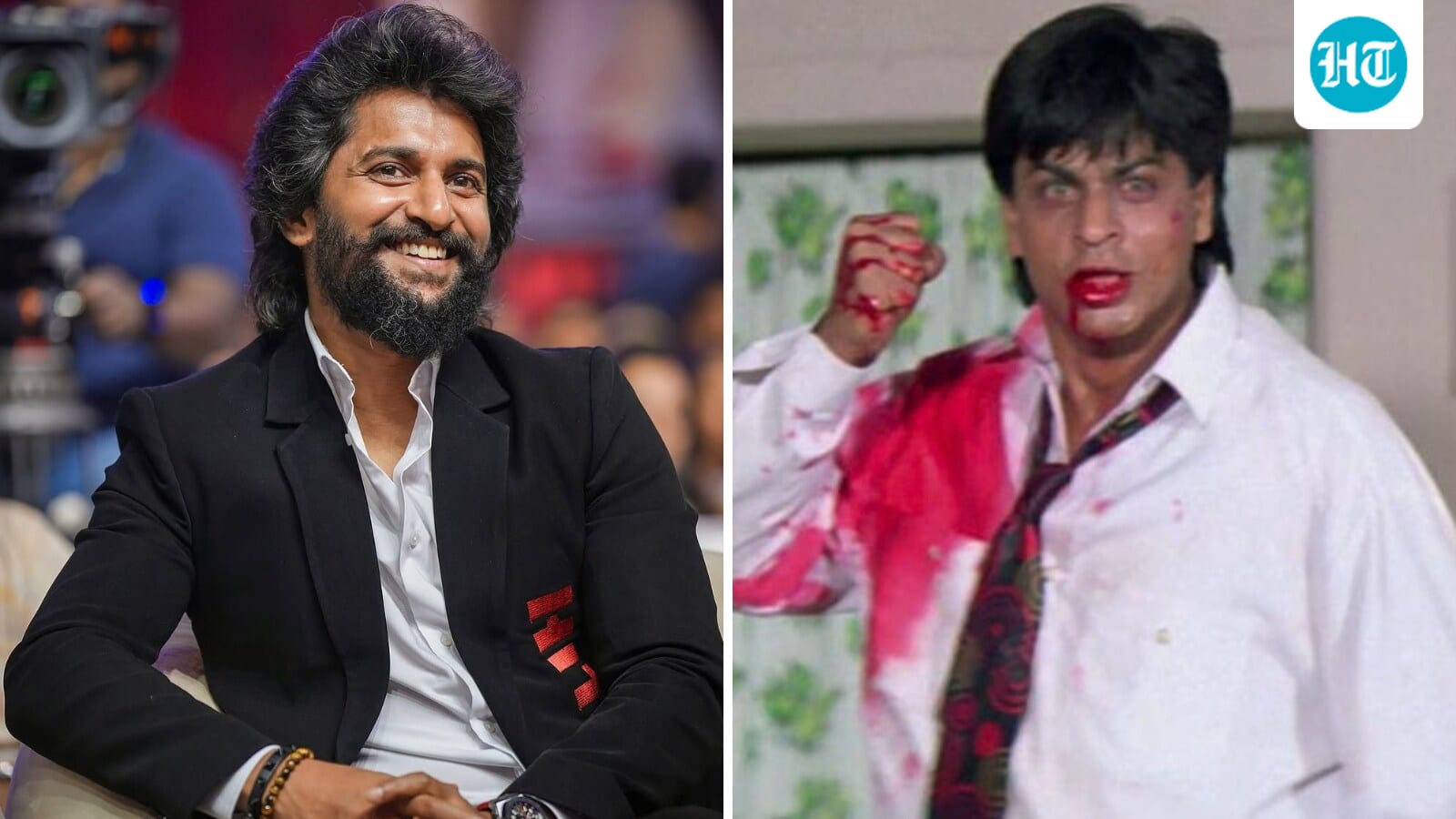
Telugu star Nani recently criticized modern cinema for lacking emotional depth compared to 90s classics like Baazigar. He expressed concern that contemporary audiences no longer form the same intense, root-worthy connections with film heroes.
The Decline of Cinematic Intensity: Nani's Critique
Telugu cinema icon Nani, while currently promoting his upcoming project The Paradise, has sparked a significant conversation regarding the evolution of storytelling in modern film. During his promotional rounds, Nani contrasted the current cinematic landscape with the high-octane emotional resonance found in the films of the 1980s and 1990s. Specifically, he pointed to the 1993 thriller Baazigar as a benchmark for the raw intensity and character-driven stakes that he believes are currently missing from contemporary blockbusters.
The Shift in Hero-Fan Dynamics
At the heart of Nani’s critique is the changing relationship between the protagonist and the audience. He posits that today’s films often fail to elicit the same level of emotional investment from viewers. In the past, the 'hero' was defined by a clear moral trajectory or a compellingly flawed nature that invited fans to 'root' for them fervently. Nani suggests that this vital connection—the bridge between the audience's empathy and the character's journey—has been eroded in favor of spectacle or generic narrative structures.
Nostalgia and the 90s Benchmark
Nani’s specific reference to Baazigar highlights a golden era of Indian cinema where anti-heroes and high-stakes drama were the norm. Films of that decade were often characterized by strong musical scores, melodramatic confrontations, and characters who possessed a distinct 'intensity' that pushed the plot forward. By comparing today's output to this era, Nani is highlighting a perceived creative void where modern technical prowess has perhaps outpaced the depth of human emotion in scriptwriting.
The Impact of Modern Filmmaking Trends
This sentiment reflects a broader trend in the industry where the rapid consumption of content and the focus on globalized, sleek production values may be sacrificing the granular emotional storytelling that defined previous decades. As a veteran of the industry, Nani's observations suggest that the industry is struggling to balance modern technical standards with the traditional 'heart' that keeps audiences returning to theaters for decades, rather than just weeks.
Future Implications for Storytelling
If leading stars like Nani continue to vocalize a desire for more grounded, intense narratives, it may signal a shift in how production houses greenlight projects. There is a growing possibility that the industry will see a 'back-to-basics' movement, where creators attempt to recapture the visceral, character-focused intensity that defined the 90s. The challenge remains for filmmakers to blend the high standards of modern cinematography with the emotional stakes that define a truly 'root-worthy' protagonist.
Conclusion
Nani's critique serves as a timely reminder that technology and budget are not substitutes for soulful storytelling. By highlighting the lack of emotional intensity in today's films, he is challenging his peers to prioritize character development and audience connection above all else. Whether this leads to a shift in the Telugu film industry remains to be seen, but the conversation itself underscores a deep-seated longing for the kind of cinema that leaves a lasting emotional impact.
Verification Required?