Watch: Nasa astronaut Anil Menon shows how ISS crew cast ballots from space
Source Entity
SUBHADRA SRIVASTAVA
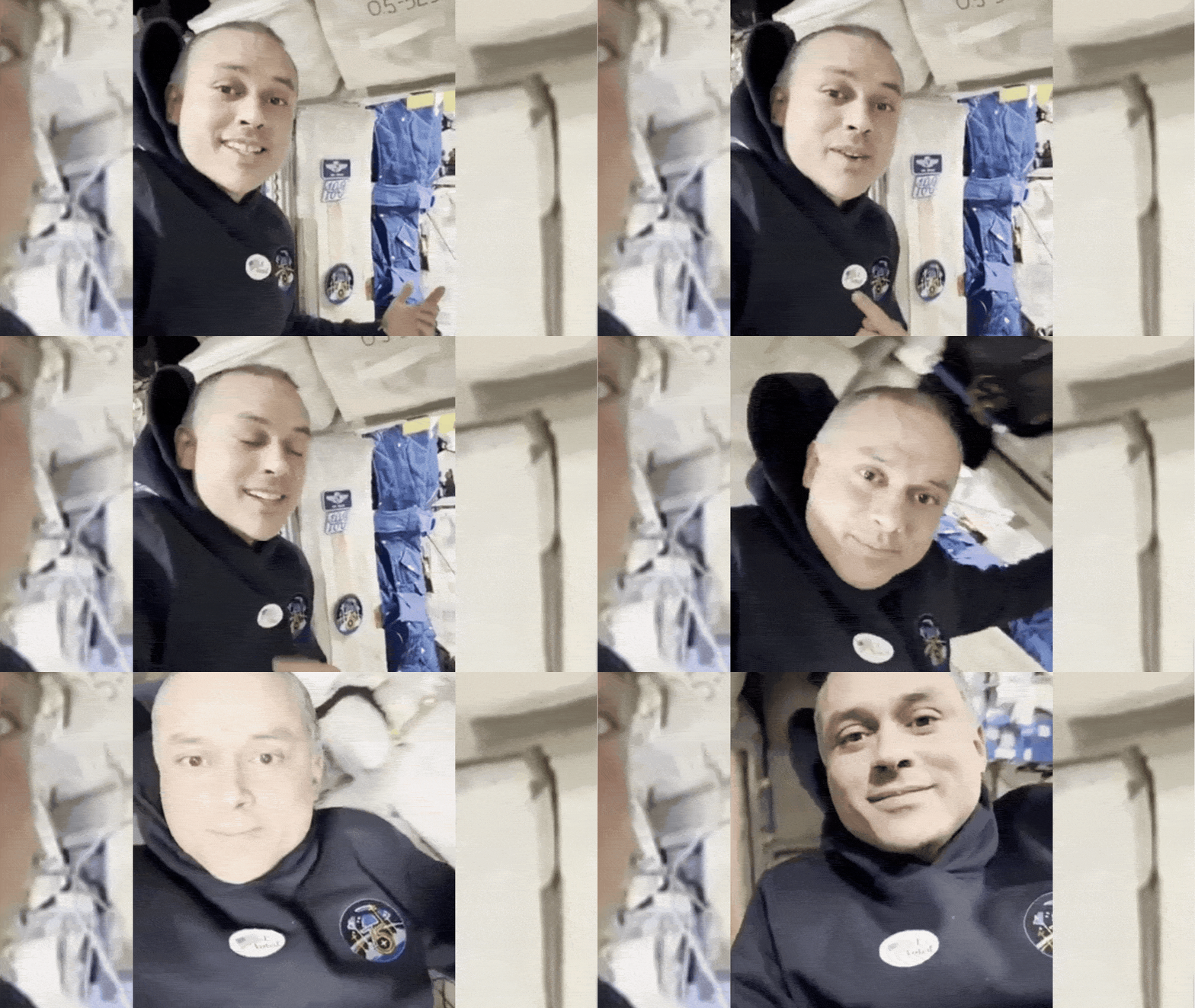
NASA astronauts Anil Menon, Luke Delaney, and Jessica Watkins successfully cast their ballots for the US midterm elections from the International Space Station. The crew utilized secure electronic voting protocols to participate in the democratic process while orbiting 400 km above Earth.
Exercising Democracy from Orbit: The ISS Voting Process
The act of casting a ballot from the International Space Station (ISS) represents a unique intersection of advanced aerospace technology and fundamental civic duty. NASA astronauts Anil Menon, Luke Delaney, and Jessica Watkins recently demonstrated that being stationed 400 kilometers above the Earth does not preclude US citizens from participating in the midterm elections. By utilizing secure electronic voting infrastructure, these crew members ensured their voices were heard in the national electoral process despite their remote location.
The Mechanics of Space-Based Voting
Voting from space is not a casual endeavor; it relies on a sophisticated digital architecture designed to maintain ballot integrity. Astronauts complete electronic ballots that are transmitted securely through the NASA Space Network, which uses a constellation of Tracking and Data Relay Satellites (TDRS) to relay information to ground stations. From there, the data is forwarded to local election officials. This process mirrors the security protocols used for sensitive mission data, ensuring that the integrity of the vote remains uncompromised by the immense distance between the ISS and the ground.
Historical Context and Civic Continuity
While the concept of space-based voting may seem futuristic, it is built upon established procedures that have evolved alongside human spaceflight. Astronauts have participated in elections for years, ensuring that their service to the nation in low-Earth orbit does not come at the cost of their constitutional rights. This continuity is vital for NASA, as it reinforces the message that the ISS is an extension of the United States' presence and that its inhabitants remain connected to the social and political fabric of their home country.
Operational Challenges in Low-Earth Orbit
Life aboard the ISS is governed by a strict, high-pressure schedule of scientific research, station maintenance, and physical exercise. Integrating the administrative steps required for voting into this demanding routine requires careful coordination between the crew and mission control. By sharing their experience on social media platforms like X, astronauts such as Anil Menon provide transparency into these logistical efforts, demystifying the process for the public and highlighting the accessibility of modern voting systems.
Broader Implications for Future Space Exploration
As humanity looks toward long-duration missions to the Moon and Mars, the ability to exercise civic rights from deep space will become increasingly significant. The successful implementation of electronic voting from the ISS serves as a proof-of-concept for the future of democratic participation in off-world colonies. As mission durations extend from months to years, the systems tested today will provide the foundation for ensuring that citizens living on other celestial bodies can maintain a tangible connection to their terrestrial governments.
Conclusion: A Symbolic Milestone
Ultimately, the participation of Menon, Delaney, and Watkins in the midterm elections is a testament to the resilience of democratic institutions. It demonstrates that regardless of geographical or atmospheric boundaries, the right to vote remains a priority. This event highlights the seamless integration of technology and civic engagement, setting a standard for how future space travelers will continue to participate in the democratic processes of the societies they represent.