Boeing "incredibly excited" to serve as nation's only astronaut transportation
Source Entity
Eric Berger
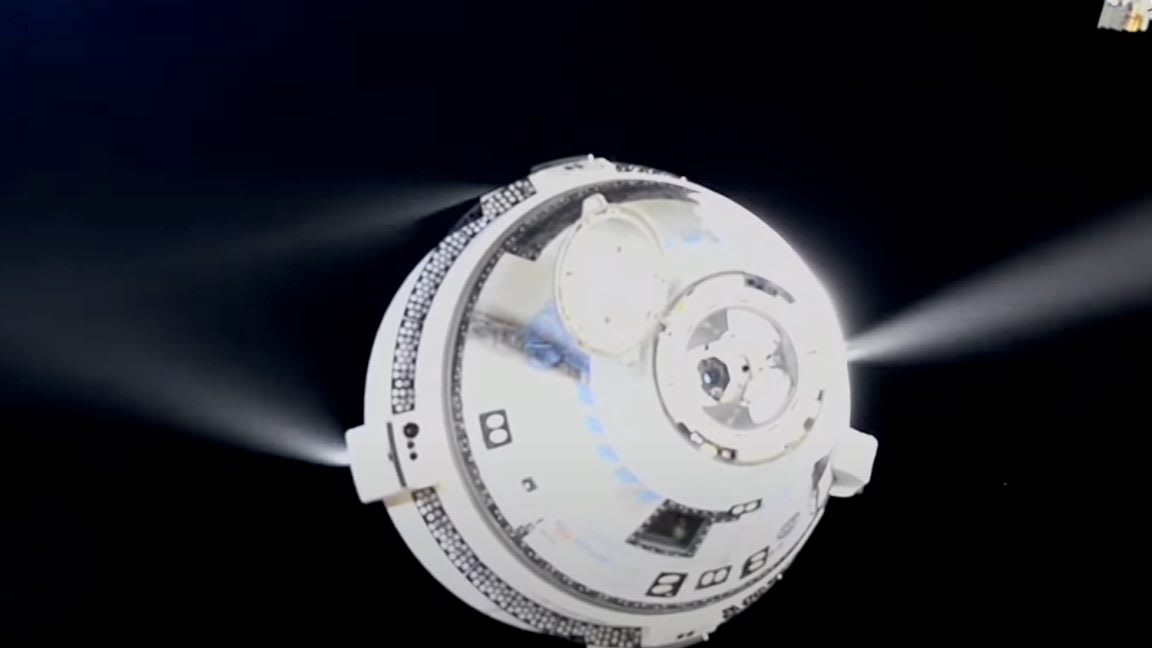
NASA has commissioned two additional Boeing Starliner flights to ensure continued access to low-Earth orbit. This decision follows plans to phase out SpaceX's current Crew Dragon fleet in favor of next-generation Starship technology.
Securing the Future of Human Spaceflight
NASA’s recent decision to procure two additional flights aboard Boeing’s Starliner spacecraft marks a pivotal shift in the agency’s strategy for maintaining a consistent presence in low-Earth orbit (LEO). By exercising these options, NASA is actively hedging its bets against the eventual retirement of current crew transportation platforms. This move is designed to ensure that the United States retains a reliable, domestic capability to transport astronauts to the International Space Station (ISS) and future orbital habitats, even as the aerospace industry undergoes a significant transition in launch vehicle technology.
The Strategic Transition from Dragon to Starship
The necessity for this procurement is rooted in the long-term evolution of SpaceX’s fleet. As NASA Administrator Jared Isaacman noted during the recent press conference, SpaceX is shifting its focus toward the development and maturation of the Starship platform. As the company prepares to sunset the Falcon and Crew Dragon vehicles, a capability gap could potentially emerge if a secondary provider is not fully operational. By securing Starliner flights, NASA is effectively bridging the timeline between the current generation of crewed spacecraft and the next era of heavy-lift, high-capacity orbital transport.
Challenges in the Starliner Program
Despite the excitement surrounding this contract, Boeing’s path forward remains complex. The Starliner program has faced notable technical hurdles that have slowed its operational cadence. The current commitment from NASA includes not only the procurement of flight services but also financial support intended to help Boeing return the vehicle to active flight status. This includes the engineering challenge of identifying and integrating a new launch vehicle to replace the aging Atlas V, which is slated for retirement. These hurdles underscore the inherent difficulty in maintaining crew-rated spacecraft in the modern era.
The Economics of Orbital Transportation
Financial transparency remains a point of contention and interest within the private space sector. While NASA has moved forward with these contracts, the agency has acknowledged constraints regarding the disclosure of detailed pricing information to Commercial LEO Development (CLD) suppliers. This lack of granular fiscal data reflects the sensitive, competitive nature of government-contracted spaceflight, where the balance between taxpayer value and private sector profitability is constantly recalibrated as the market for commercial space services matures.
Future Outlook and Industry Stability
The long-term success of this initiative will depend on Boeing’s ability to resolve its technical challenges and successfully certify Starliner for regular, high-frequency service. As the space industry moves away from the reliance on singular platforms, the presence of multiple, redundant crew transportation systems is essential for the security of NASA’s orbital missions. If Boeing can successfully navigate the transition to a new rocket and stabilize its flight operations, it will solidify its position as a critical partner in the future of American human space exploration.