Earth is tearing apart beneath the Pacific Northwest
Source Entity
Hacker News
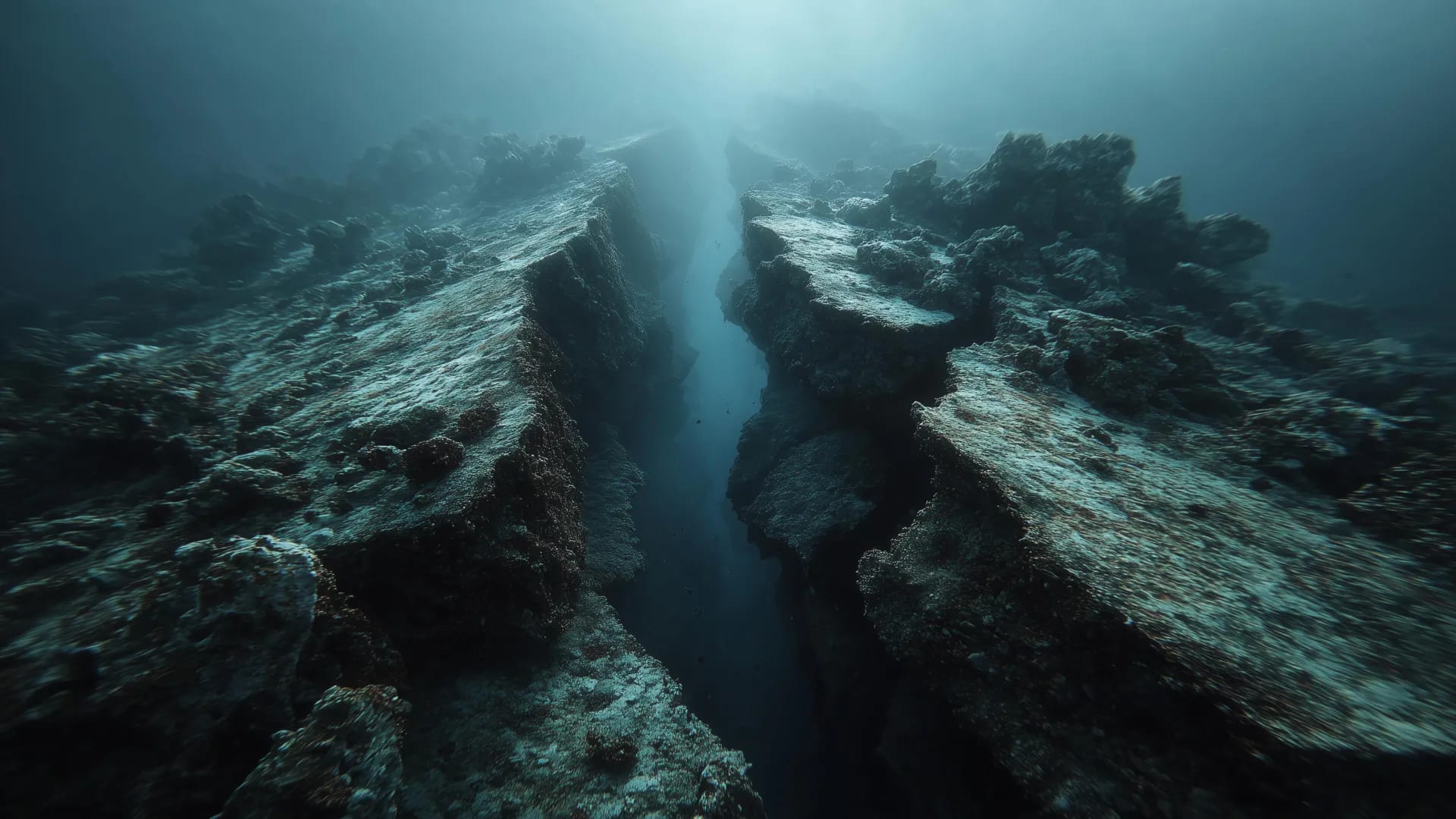
Scientists have identified a subduction zone beneath the Pacific Northwest that is actively breaking apart. This rare observation provides critical insights into how tectonic systems end and their role in shaping the Earth's crust.
The Tectonic Evolution of the Pacific Northwest
Recent findings published in Science Advances have provided an unprecedented look at a major tectonic system beneath the Pacific Northwest that is currently in a state of fragmentation. Scientists have identified that this subduction zone, a critical geological feature where one tectonic plate is forced beneath another, is actively breaking into pieces. This discovery marks a significant milestone in geophysics, as it offers a rare glimpse into the lifecycle of these massive subterranean structures.
The Mechanics of Subduction Zones
Subduction zones are the primary engines of planetary change, responsible for the most powerful seismic events and volcanic eruptions observed on Earth. These zones facilitate the movement of oceanic plates deep into the mantle, a process that continuously recycles Earth's crust. Historically, the scientific community has struggled to observe the 'death' or termination phase of these systems, leaving a gap in our understanding of how tectonic plates transition from active subduction to dormancy or structural collapse.
Analyzing the Fragmentation Process
By capturing a detailed view of the Pacific Northwest system, researchers are now able to examine the specific physical behaviors that occur when a subduction zone begins to come apart. This process of fragmentation is not merely a localized event but a profound reconfiguration of the Earth's crust. As the oceanic plate sinks, the stresses exerted on the surrounding lithosphere reach a breaking point, leading to the disintegration of the slab that was once a cohesive unit.
Broader Implications for Seismic Hazards
Understanding the lifecycle of subduction zones is vital for assessing long-term seismic risks. Because these zones are linked to the planet's largest earthquakes and volcanic activity, the fragmentation of a subduction zone implies a significant shift in the geological hazard profile of the region. As the plate breaks into pieces, the distribution of tension and pressure within the crust changes, potentially altering the frequency and intensity of geological phenomena in the Pacific Northwest.
Future Trends in Geological Research
This discovery opens new avenues for predictive modeling in geosciences. By studying how this specific zone reaches the end of its life, scientists can develop more accurate simulations of how continents and ocean basins evolve over millions of years. This research serves as a foundation for future studies aimed at mapping similar tectonic systems globally, potentially providing early warning signs for regions that may experience similar structural transitions in the future.
Conclusion
The ongoing fragmentation of the subduction zone beneath the Pacific Northwest is a landmark observation in modern geology. By documenting the active breaking of a tectonic plate, researchers have moved closer to unraveling the complex, long-term processes that reshape our planet. As we continue to study this phenomenon, the data gathered will undoubtedly refine our understanding of Earth's dynamic crust and the inevitable evolution of its most powerful geological features.