NASA dumped over 800GB of Artemis II data online
Source Entity
Terrence O’Brien
NASA has publicly released over 800GB of raw data from the Artemis II mission, including thousands of images and hours of audio. This archive offers an unprecedented, granular look at the crew's observations and scientific findings from lunar orbit.
Unveiling the Artemis II Archive
NASA has taken a significant step toward transparency and public engagement by releasing over 800GB of data derived from the Artemis II mission. Hosted on the 'Artemis II: Sights & Sounds of Science' portal, this massive cache of information provides researchers and space enthusiasts alike with a granular look at the operations conducted during the mission. By making this raw data publicly available, NASA is fostering a culture of open science that allows the global community to scrutinize findings and gain a deeper appreciation for the complexities of lunar exploration.
A Treasure Trove of Lunar Observations
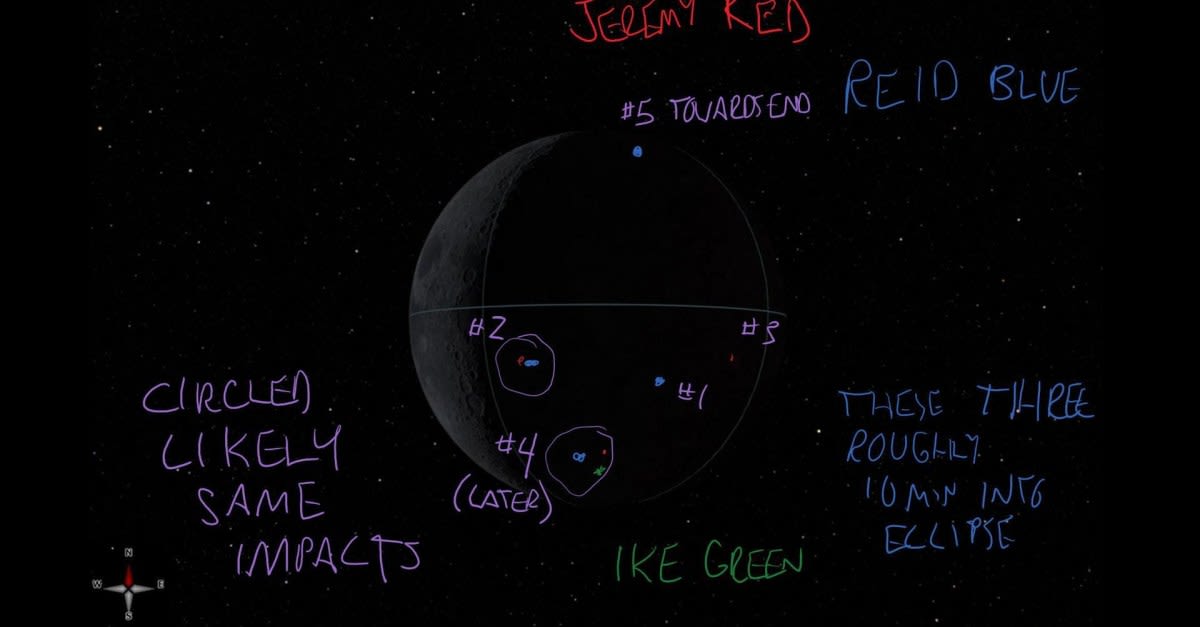
The archive is composed of more than 11,000 photos and videos, complemented by over 8.5 hours of audio recordings. Perhaps most significant are the crew-annotated images, which serve as primary source documentation of the crew's real-time observations. These annotations are not merely supplemental; they provide context to phenomena that might otherwise remain ambiguous, such as the specific locations where the crew identified impact flashes on the far side of the Moon.
Analyzing Impact Flashes
One of the most compelling aspects of this data dump is the footage capturing the interaction between the Artemis II crew and the ground control team in Houston. The crew specifically reported their observations of impact flashes on the lunar surface. While impact flashes—the brief, bright events caused by meteoroids striking the lunar surface—have been documented in previous missions, the Artemis II data provides a modern, high-resolution perspective on these events. This data is critical for understanding the lunar environment and the frequency of meteoroid strikes, which is essential for future long-term habitation planning.
The Impact on Future Exploration
The release of this data represents more than just a digital archive; it is a fundamental component of the Artemis program's broader goal of returning humans to the Moon. By analyzing the data collected during these flybys, NASA can refine its models for lunar impact hazards and mission safety. The inclusion of audio logs and crew notes provides a human-centric layer to the scientific data, offering insights into the logistical and observational challenges faced by astronauts in deep space.
Open Science and Global Engagement
The decision to host this data on a dedicated, accessible site reflects a growing trend in space agencies to prioritize the democratization of scientific knowledge. By inviting the public to explore the same data sets used by mission scientists, NASA encourages a collaborative environment. This approach not only aids in the verification of scientific theories but also serves to inspire the next generation of engineers, scientists, and explorers who will eventually rely on this foundation of data to conduct their own missions.
Conclusion: A Legacy of Data
In summary, the release of 800GB of Artemis II data is a milestone for modern aerospace documentation. It transforms a private mission into a public legacy, ensuring that the findings of the crew are preserved and analyzed for years to come. As we look toward future Artemis missions, the data contained within this archive will serve as a vital reference point, helping to mitigate risks and expand our understanding of the lunar surface.