NASA moving at warp speed to set up US Space Academy
Source Entity
Eric Berger
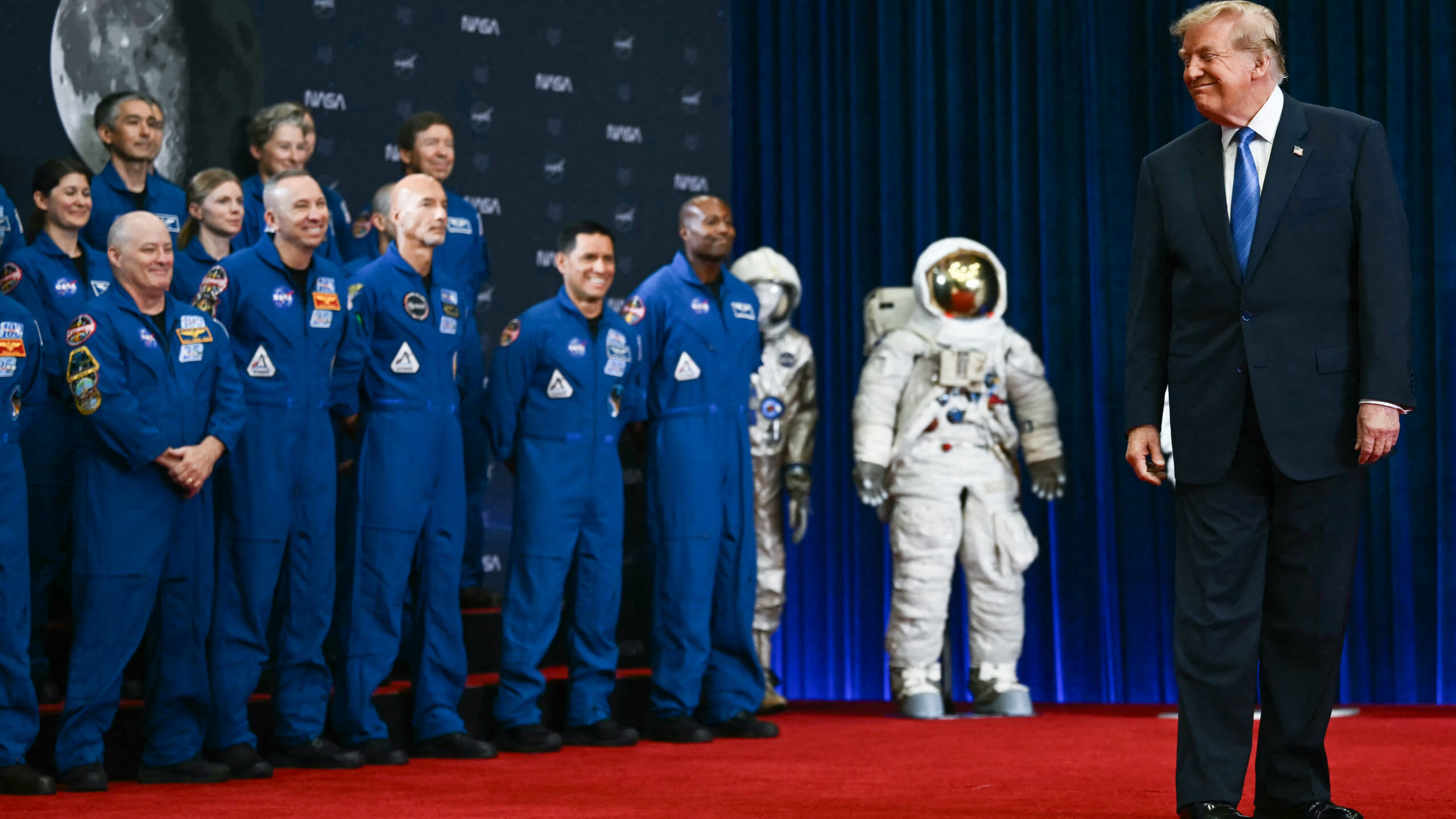
NASA has initiated plans to establish a United States Space Academy, seeking state partnerships to secure a 300-acre site for the new institution. The agency aims to begin construction by next year, with student enrollment starting in 2028 and a permanent campus opening in 2031.
NASA Announces Ambitious Timeline for United States Space Academy
NASA has officially signaled a major shift in its educational and workforce development strategy by releasing initial documentation for the proposed United States Space Academy. The agency’s intent is clear: to move with unprecedented speed to institutionalize space-focused training. By calling upon U.S. states to provide financial and infrastructure support, NASA is shifting the burden of site selection onto local governments, effectively turning the academy into a competitive economic development prize.
A Rapid Development Schedule
The proposed timeline is remarkably aggressive for a project of this magnitude. NASA has set a goal to break ground on a permanent campus no later than next year. This rapid pacing suggests that the agency has already identified a critical gap in the specialized workforce required for modern space operations. By planning for the first cohort to begin studies in temporary facilities by 2028, NASA is prioritizing the immediate cultivation of talent over the slower process of waiting for permanent construction to conclude.
Site Requirements and Strategic Positioning
According to the documentation, the academy requires a minimum of 300 acres, indicating a facility designed for large-scale operations and potential expansion. NASA has explicitly noted that proximity to existing NASA field centers or established university campuses is a significant advantage. This strategy is likely intended to leverage existing research ecosystems, allowing the academy to integrate seamlessly into the national aerospace supply chain and academic research networks from day one.
Cultivating a New Generation of Leadership
The stated mission of the academy is to “prepare a new generation of leaders to explore, build, operate, secure, and defend the space domain.” This broad mandate reflects the changing nature of space exploration, which now encompasses not only scientific discovery but also national security and commercial competition. The academy is designed to support an initial cohort of 1,200 undergraduate students, providing a steady pipeline of highly trained professionals into the space sector.
Economic and Institutional Implications
By inviting states to "show them the money," NASA is essentially orchestrating a bidding war that emphasizes state-level investment in STEM education and aerospace infrastructure. This approach ensures that the eventual host state will be deeply committed to the success of the institution. As the agency transitions to a permanent campus by 2031, the academy is poised to become a central hub for the American space economy, mirroring the historical influence of major research universities on national technological growth.
Conclusion
The United States Space Academy represents a foundational step in securing the future of the nation's space ambitions. With a clear vision for rapid deployment and a focus on multifaceted training, NASA is positioning itself to lead in an era where dominance in the space domain is increasingly critical. The next few years of site selection and curriculum development will be vital in determining how effectively this institution can meet the demands of 21st-century space exploration.