From Usain Bolt to Sushil Kumar, new book reveals the secret of athletes’ success
Source Entity
Nikita Mohta
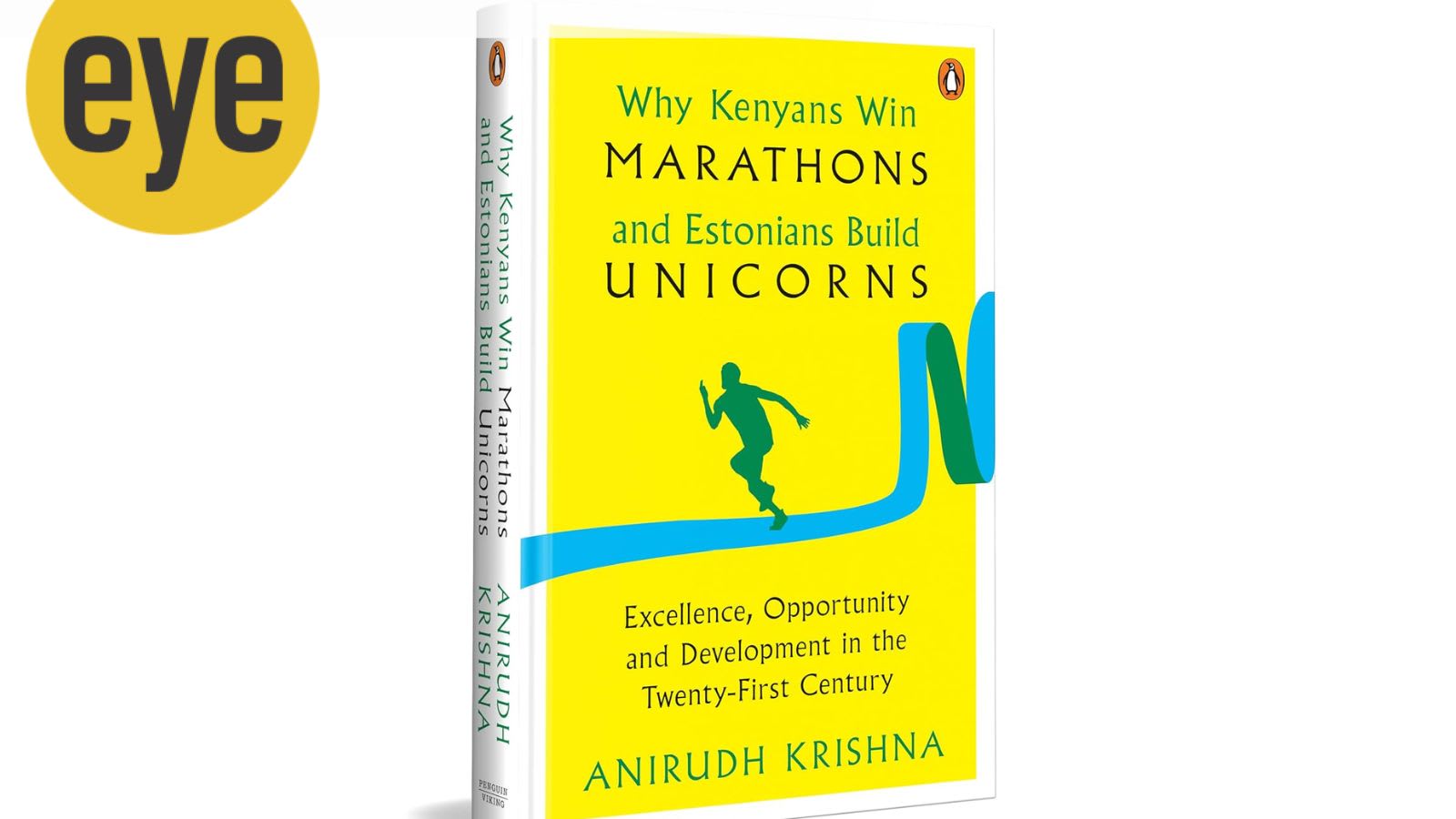
Anirudh Krishna’s new book explores the socioeconomic and environmental factors behind the exceptional success of specific nations in fields like sports and technology. The research challenges the reliance on simple explanations like genetics or geography, favoring a deeper look at cultural and systemic variables.
The Quest for Excellence: Beyond Simple Narratives
Anirudh Krishna’s latest work, Why Kenyans Win Marathons and Estonians Build Unicorns, emerges from a decade-long intellectual inquiry sparked by a casual conversation at Duke University. The discussion, centered on the unprecedented sprinting success of Jamaican athletes like Usain Bolt, served as the catalyst for a broader investigation into why specific countries produce world-class talent in disproportionate numbers. By moving past anecdotal evidence, Krishna seeks to dismantle the simplistic explanations—often reduced to genetics, geography, or vague cultural tropes—that frequently dominate public discourse regarding athletic and professional dominance.
Challenging Conventional Wisdom
The central premise of Krishna's research is that the "exception" is rarely an anomaly, but rather a symptom of deeper, systemic conditions. When observing Jamaica’s dominance in sprinting, or Kenya’s long-standing hegemony in marathons, observers often fall into the trap of biological determinism. However, the author argues that these outcomes are the result of complex interactions between environment, infrastructure, and societal norms. By questioning how a nation of only three million people can consistently produce the world’s fastest runners, Krishna positions the athlete not just as a physical specimen, but as a product of their specific socioeconomic ecosystem.
The Intersection of Sport and Innovation
One of the most compelling aspects of this study is its comparative nature. By juxtaposing the physical endurance found in Kenyan marathon runners with the digital innovation seen in Estonian "unicorn" startups, Krishna broadens the scope of his inquiry. This synthesis suggests that the drivers of success in high-stakes sports and high-growth technology sectors may share underlying structural similarities. It shifts the focus from the individual athlete or entrepreneur to the collective environment that fosters, sustains, and scales such high levels of performance.
Environmental and Cultural Determinants
Throughout the book, Krishna systematically deconstructs the myths of natural talent. The research highlights that while individual ability is a prerequisite, it is the cultural and geographic context that acts as the force multiplier. Whether it is the training culture embedded in East African running communities or the digital-first policy frameworks of Estonia, the book posits that success is engineered through deliberate, albeit sometimes organic, societal structures. This perspective encourages readers to look at success as a repeatable model rather than a stroke of luck.
Future Implications and Conclusion
The implications of this research are profound for policymakers, educators, and sports scientists alike. If success is indeed a product of specific environmental variables, then the potential exists to replicate these conditions elsewhere. By documenting these patterns, Why Kenyans Win Marathons and Estonians Build Unicorns provides a framework for understanding how nations can cultivate talent. Ultimately, Krishna’s work serves as a reminder that the world’s most impressive achievements are rarely isolated incidents, but are instead the culmination of years of environmental, cultural, and structural alignment.