What do the 9 nights of Navratri mean for spiritual seekers? An expert explains
Source Entity
Latest News: Todays Latest News Headlines from India & World | Hindustan Times | Hindustan Times
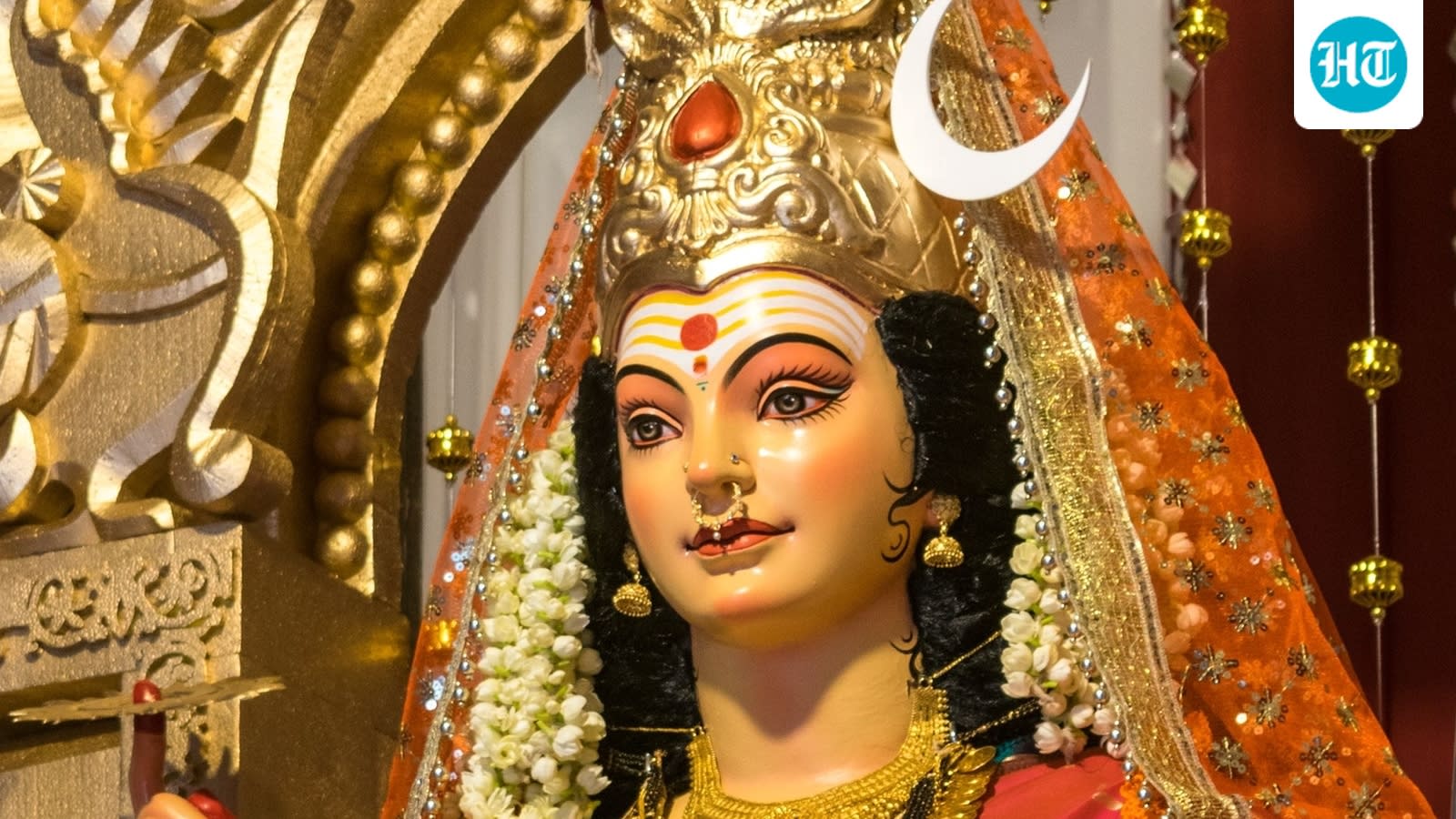
Sharad Navratri 2026 begins on October 11, focusing on the worship of Goddess Durga. Beyond traditional festivities, spiritual experts emphasize these nine nights as a profound internal journey of awakening divine Shakti.
The Spiritual Significance of Sharad Navratri 2026
Sharad Navratri, the most prominent of the four seasonal Navratris, is set to commence on October 11, 2026. This period, dedicated to the worship of Goddess Durga, serves as a vital cultural and spiritual anchor for millions. According to Drik Panchang, the festival will progress through significant milestones, with Durga Ashtami and Maha Navami occurring on October 19, culminating in the victory celebration of Vijayadashami on October 20, 2026.
Beyond Ritual: An Internal Journey
While the public sphere often emphasizes the vibrant festivities, dance, and communal worship associated with Navratri, there is a deeper layer of engagement for spiritual seekers. Experts like Bhavesh Bhimanathani suggest that these nine nights function as a structured period for introspection. Rather than viewing the festival solely as an external act of devotion, practitioners are encouraged to interpret the nine nights as a deliberate process of working with the internal forces and energies residing within the human psyche.
Awakening the Divine Shakti
At the core of this spiritual perspective is the concept of 'Shakti,' or divine feminine energy. Bhimanathani characterizes the festival as a celebration of the awakening of this latent power. By aligning individual internal rhythms with the cosmic cycle of the nine nights, seekers aim to transcend ordinary consciousness. This perspective shifts the focus from seeking external boons to cultivating internal strength and spiritual clarity.
Historical and Cultural Context
Navratri has long been understood as a time to honor the different expressions of the Goddess. Historically, the festival serves as a bridge between the physical and the metaphysical. The transition from the energy of Durga to the final victory of Vijayadashami mirrors the spiritual struggle to overcome internal obstacles—often symbolized by the defeat of negative forces—to reach a state of enlightenment or 'victory' over the ego.
Perspectives on Spiritual Growth
Prominent spiritual leaders, including Sadhguru, have frequently articulated that the significance of these nine days extends far beyond the traditional desires for power, wealth, or knowledge. Instead, they posit that the specific configuration of these days offers a unique opportunity for individuals to refine their consciousness. By engaging in meditative practices during this window, seekers utilize the heightened energy of the period to accelerate their spiritual growth.
Looking Ahead: The 2026 Observance
As we approach the 2026 dates, the synthesis of traditional ritual and modern spiritual inquiry continues to evolve. For the contemporary seeker, Navratri is not merely a calendar event but a transformative 'technology' for self-realization. By understanding the specific phases of the festival—from the commencement on October 11 to the final day on October 20—participants can better structure their personal practices to maximize the potential for internal awakening.
Verification Required?