Hydel project near China border gets green clearance
Source Entity
VISHWA MOHAN
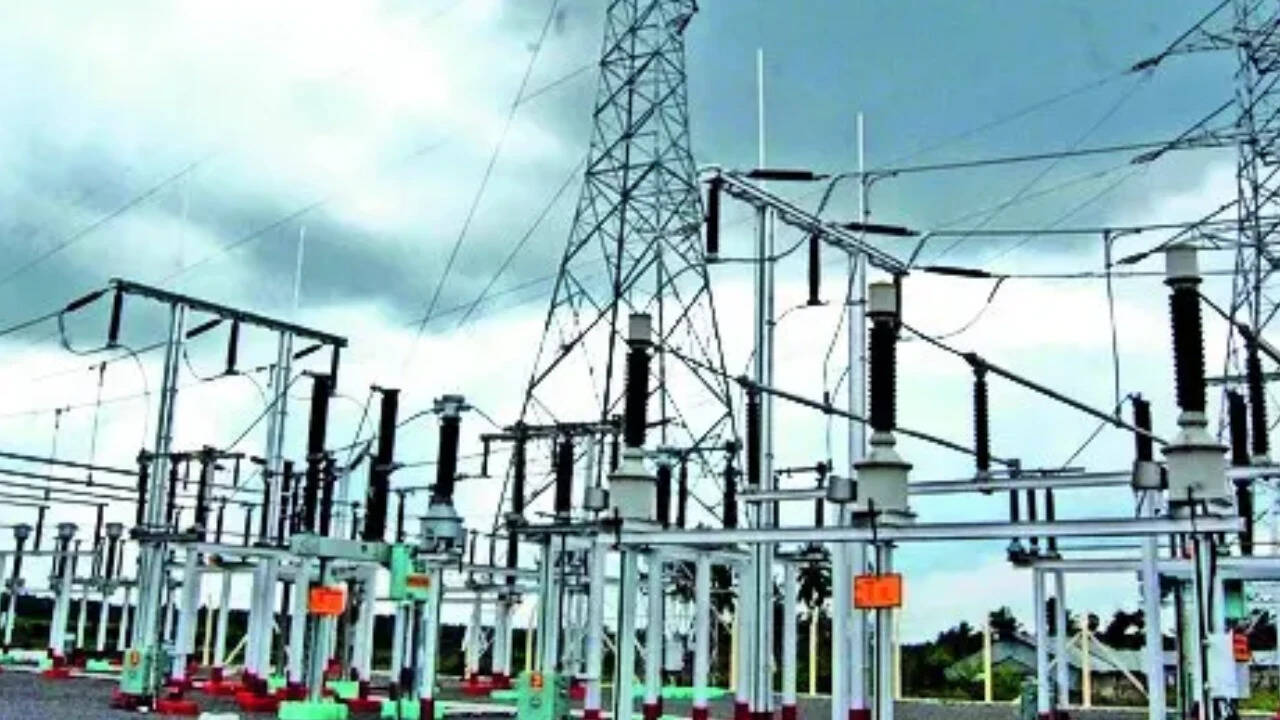
An expert panel has recommended green clearance for the Naying hydro-electric project on the Siyom river in Arunachal Pradesh. The project, estimated at Rs 11,835 crore, aims to increase renewable energy capacity in a strategically sensitive region near the China border, pending further forest clearances and the implementation of rehabilitation plans for displaced families.
Strategic Energy Expansion: Analysis of the Naying Hydro-Electric Project
India is currently undergoing a massive transition in its energy landscape, shifting aggressively toward sustainable and renewable sources to meet the demands of a growing economy. The recent recommendation for green clearance for the Naying hydro-electric project on the Siyom river in Arunachal Pradesh is a pivotal development in this strategy. With an estimated investment of Rs 11,835 crore, this project is not merely a utility upgrade but a high-stakes infrastructure venture designed to harness the immense hydraulic potential of the Northeast.
Strategic Implications of Border Infrastructure
The location of the project in Arunachal Pradesh, specifically near the border with China, adds a layer of geopolitical significance to the development. In recent years, India has prioritized "infrastructure-led development" in its frontier states to ensure better connectivity, economic stability, and a permanent strategic presence. By establishing large-scale industrial assets like the Naying project, the government strengthens the socio-economic resilience of the region, which serves as a soft-power deterrent and a stabilizing force in a volatile border zone.
Contribution to Renewable Energy Goals
From an environmental and economic perspective, the Naying project aligns with India's global commitments to reduce carbon emissions and achieve net-zero targets. Unlike solar or wind energy, which are intermittent, hydroelectric power provides a reliable "base load" of electricity. The scale of this investment suggests that the project will significantly boost the regional power grid, potentially reducing the reliance on coal-fired plants in neighboring states and fostering a greener energy ecosystem across the Northeast.
Environmental Scrutiny and Regulatory Hurdles
While the "green clearance" from the expert panel is a major milestone, the project is far from finalized. The explicit mention that "further forest clearance" is required underscores the ecological sensitivity of the Siyom river basin. Arunachal Pradesh is a global biodiversity hotspot, and large-scale damming often leads to habitat fragmentation and loss of flora and fauna. The transition from a general green recommendation to specific forest clearance will likely involve rigorous impact assessments to ensure that the project does not irreversibly damage the local ecosystem.
Social Responsibility and Displacement
A critical challenge for the Naying project lies in the human element. The commitment by the project proponent to provide compensation and rehabilitation for displaced families is a mandatory but complex requirement. Large-scale hydro projects historically face resistance if indigenous populations feel marginalized. For this project to be sustainable, the rehabilitation process must go beyond monetary compensation, focusing on the long-term livelihood security and social integration of the affected communities.
Conclusion and Future Outlook
In summary, the Naying hydro-electric project represents a complex intersection of national security, environmental policy, and economic ambition. While the initial expert recommendation provides a green light for progress, the project's ultimate success will depend on how the government balances its energy needs with ecological preservation and social equity. If executed with transparency and environmental rigor, it will serve as a blueprint for sustainable infrastructure development in India's most challenging terrains.