Nazi-seized 1892 painting returned to US heirs after decades
Source Entity
TOI WORLD DESK
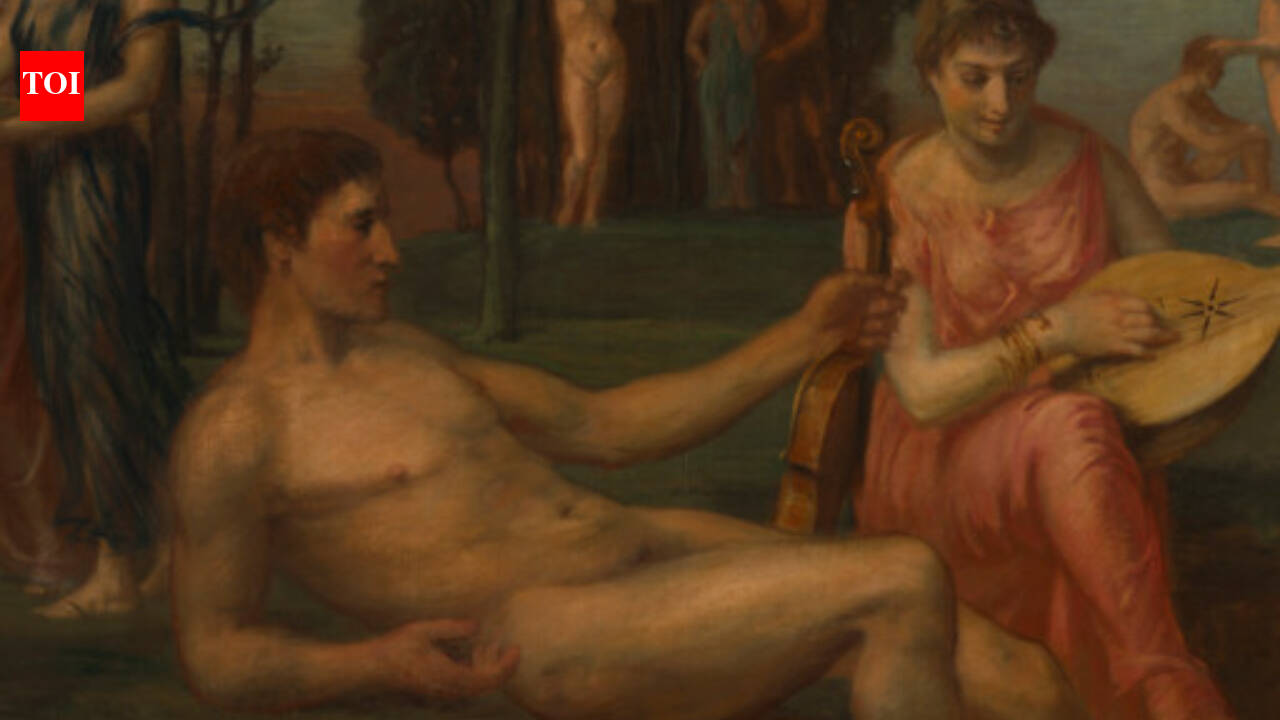
An 1892 painting seized by Nazis from Sofie Heilbronner has been returned to her U.S. heirs after decades of uncertainty. The restitution highlights the ongoing, complex efforts to recover art stolen during the Holocaust.
The Restitution of a Stolen Legacy
More than eight decades after the dark shadow of the Nazi regime dismantled the lives and livelihoods of Jewish citizens, a significant piece of cultural heritage has finally been returned to its rightful owners. The 1892 painting, once owned by Sofie Heilbronner, the widow of a prominent Munich banker, represents more than just an aesthetic artifact; it is a tangible symbol of the systematic dispossession faced by Jewish families under the Third Reich. The return of this artwork to Heilbronner’s heirs in the United States concludes a multi-generational quest for justice and closure.
The Mechanics of Displacement
The history of this painting serves as a somber case study in the Nazi campaign of racial persecution. Following the seizure of the work, the painting disappeared into the murky depths of wartime looting, eventually surfacing in a Munich warehouse. From there, it was subsumed into a Bavarian state collection, a common fate for thousands of artworks that were stripped from their owners under duress. For decades, the ownership history remained obscured, leaving the family in the dark about the whereabouts of their ancestral property.
Tracing the Missing Trail
The recovery of the painting was not a matter of chance, but the result of rigorous provenance research. Historical records and documentation from galleries were scrutinized to piece together the painting’s journey through the 20th century. This process, often described as a 'detective story,' involves cross-referencing auction records, warehouse inventories, and personal family papers. The efforts by the Pinakothek and other institutions to digitize and make these records transparent have been instrumental in identifying stolen works.
The Broader Implications of Restitution
This case highlights the enduring necessity of the Washington Principles on Nazi-Confiscated Art, which encourage nations to identify and return stolen works. The restitution movement is not merely about financial value; it is a critical component of restorative justice. By acknowledging the circumstances under which the painting was lost—specifically, the racial persecution of the Heilbronner family—the current custodians are validating the historical trauma endured by the victims of the Holocaust.
A Future Defined by Transparency
As we look forward, the return of this 1892 work sets a precedent for how cultural institutions handle disputed collections. The shift toward proactive provenance research suggests that museums are increasingly viewing themselves as stewards of history rather than just collectors. This change in philosophy is vital for ensuring that the unresolved ownership histories of the past do not continue to shadow the future of international art collections.
Conclusion: Restoring the Connection
The ceremony marking the return of the painting to the Heilbronner heirs serves as a poignant reminder of the resilience of families in the face of systemic erasure. While eighty years is a profound span of time, the restoration of this painting demonstrates that the pursuit of truth and the reclamation of stolen heritage remains an achievable goal, ensuring that the legacy of those persecuted by the Nazi regime is honored and preserved for future generations.