As rivals chase acquisitions, Peacock bets on bundles through a new deal with YouTube
Source Entity
Lauren Forristal
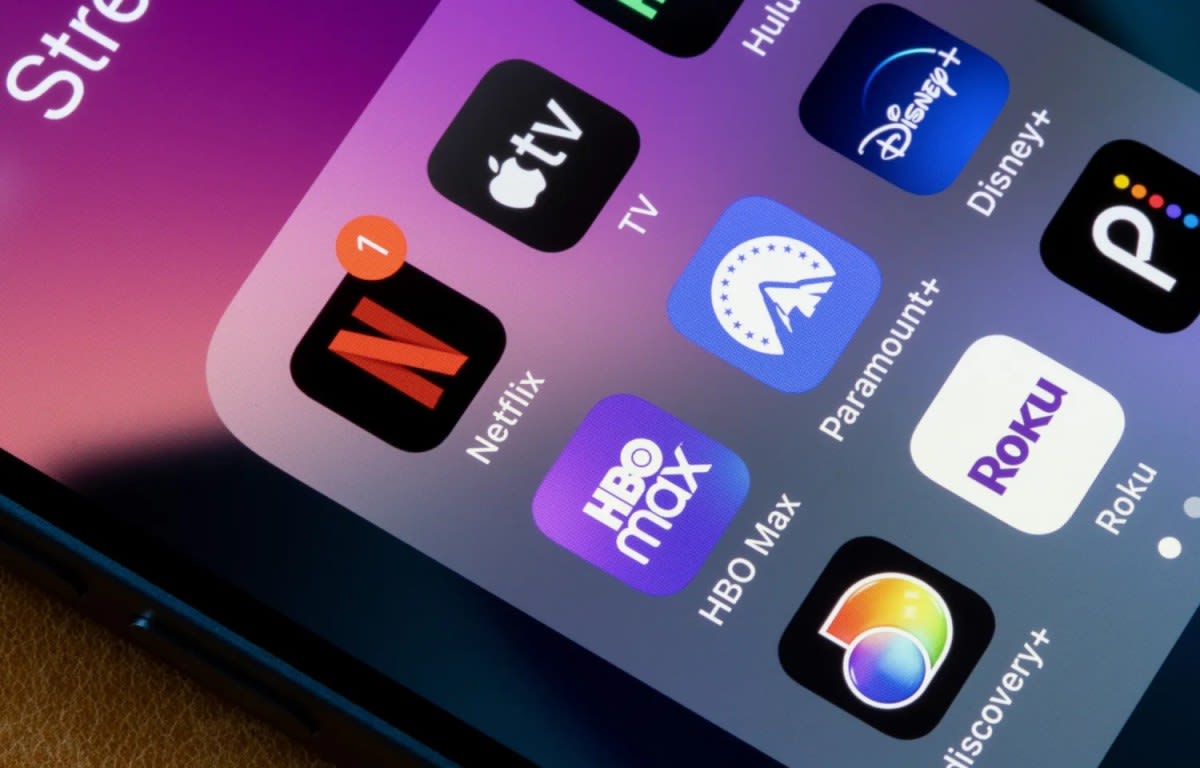
NBCUniversal and YouTube have announced a strategic partnership to bundle Peacock content into YouTube Premium subscriptions by early 2027. This integration aims to streamline the viewing experience for millions of users while offering significant value compared to individual service costs.
A Strategic Shift in Streaming: The Peacock-YouTube Alliance
In a significant pivot for the competitive streaming landscape, NBCUniversal and YouTube have entered into a multi-year global strategic partnership. Beginning in early 2027, the entirety of Peacock’s premium content library—ranging from live NBC Sports coverage of the NFL and NBA to popular franchises like The Real Housewives and Minions—will be integrated directly into YouTube Premium subscriptions. This move represents a departure from traditional industry trends, which have largely been defined by aggressive mergers and acquisitions.
The Mechanics of the Integration
The partnership, which was initiated through discussions between Comcast co-CEO Brian Roberts and YouTube CEO Neal Mohan, is designed to enhance the user experience by reducing platform friction. By embedding Peacock directly into the YouTube interface, subscribers will no longer need to navigate between disparate apps to access NBCUniversal’s catalog. This "all-in-one" approach is intended to boost viewer retention and discovery, keeping audiences within the YouTube ecosystem for a broader share of their daily media consumption.
Economic Implications for Consumers
For the end consumer, the deal provides a compelling economic proposition. Currently, Peacock Premium retails at $10.99 per month, while YouTube Premium plans have seen price adjustments, reaching $15.99 per month as of April. By bundling these services, users effectively gain access to a massive library of additional content without the necessity of managing separate subscriptions. This consolidation is a direct response to "subscription fatigue," a growing phenomenon where consumers are increasingly selective about the number of streaming services they maintain simultaneously.
Impact on the Streaming Wars
While many media conglomerates are currently focused on massive corporate acquisitions to bolster their content libraries, NBCUniversal’s strategy here emphasizes distribution partnerships. By leveraging YouTube's massive existing user base, NBCUniversal can significantly expand the reach of its intellectual property—including Saturday Night Live, Law & Order: SVU, and Love Island USA—without the risks associated with standalone platform growth. This partnership signals that the next phase of the "streaming wars" may be fought on the battlefield of convenience and platform integration rather than just content spending.
Future Trends and Outlook
Looking ahead, this partnership suggests a future where "super-aggregators" become the primary gatekeepers of digital entertainment. As viewers demand more seamless experiences, platforms that can successfully integrate third-party services into their own interfaces stand to gain the most market share. For YouTube, this deal reinforces its position as the central hub of digital video, while for NBCUniversal, it secures a distribution channel that ensures their content remains relevant in an increasingly crowded and fragmented market.
Conclusion
In summary, the NBCUniversal-YouTube alliance is a calculated move to capture audience attention through utility and value. By combining the infrastructure of the world’s largest video platform with the depth of a major broadcast network’s library, both companies are positioning themselves to navigate the evolving digital economy with greater resilience. As the 2027 launch date approaches, the industry will be watching closely to see if this model of deep integration sets a new standard for media distribution.
Multiple Citing Sources