5.2 kg heroin seized in Jammu, NCB busts Pakistan network; 3 held
Source Entity
SANJAY KHAJURIA
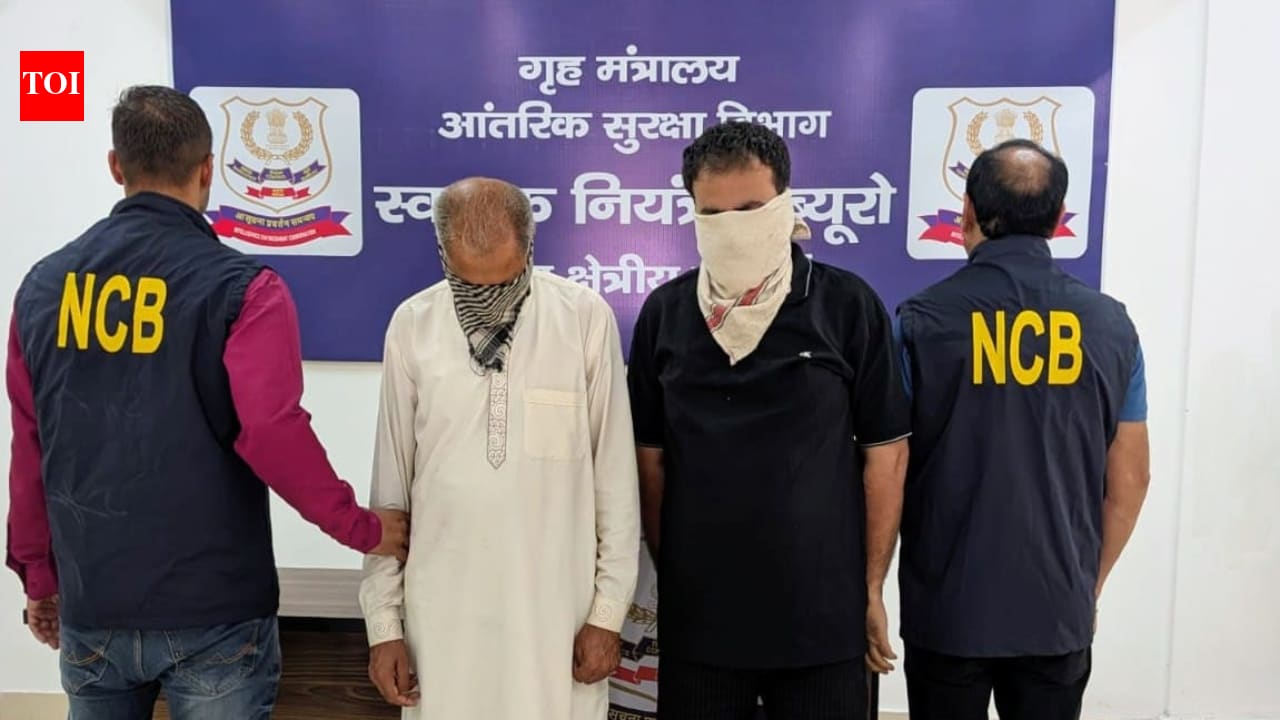
The Narcotics Control Bureau has dismantled a major cross-border heroin smuggling network operating in Jammu and Kashmir. Three individuals, including the suspected mastermind, were arrested with over 5 kg of heroin linked to Pakistan.
NCB Dismantles Major Cross-Border Drug Network in Jammu
In a significant intelligence-led operation, the Narcotics Control Bureau (NCB) Jammu has successfully dismantled a cross-border heroin trafficking cartel. The operation, which culminated in late August 2026, resulted in the seizure of 5.16 kg of heroin and the arrest of three individuals, including the primary mastermind behind the smuggling network. This development highlights the persistent challenges faced by security agencies in curbing the influx of narcotics through the volatile border regions of Jammu and Kashmir.
Operational Timeline and Arrests
The operation began on August 22, 2026, when NCB officials intercepted a vehicle at Panjtirthi in Jammu. The initial search led to the recovery of the contraband and the immediate arrest of two individuals, both hailing from the Baramulla district of North Kashmir. Utilizing leads gathered from these initial suspects, the NCB launched a swift follow-up investigation. This led them to Leh, Ladakh, where the suspected mastermind—also a resident of Baramulla—was apprehended on August 24, just two days after the initial seizure.
The Cross-Border Connection
Preliminary investigations by the NCB indicate that the narcotics originated from Pakistan and infiltrated Indian territory through the Uri border sector. The involvement of residents from the Baramulla district underscores a recurring pattern where local conduits are exploited to facilitate the movement of drugs from the Line of Control (LoC) into the interior parts of the Union Territory. This seizure is part of a broader trend, as it follows two other significant heroin seizures in the region on August 12 and August 13, 2026.
Broader Security Implications
The systematic nature of these seizures suggests a well-coordinated supply chain designed to flood the region with illicit substances. By targeting the financial links, local associates, and the intended distribution network, the NCB aims to break the backbone of these cartels rather than merely seizing the drugs. The focus on identifying the cross-border suppliers is critical, as these networks often serve as a dual-threat mechanism, where drug trafficking routes are frequently co-opted for the illicit movement of arms and funding for anti-national elements.
Future Trends and Challenges
The geographical scope of this investigation, stretching from the Uri border to the hinterlands of Jammu and extending into Leh, demonstrates the expansive reach of these criminal organizations. As law enforcement agencies continue to refine their intelligence-led strategies, the focus on inter-agency cooperation between the NCB, border security forces, and local police will remain paramount. Future trends suggest that while technology and intelligence gathering are improving, the cartels are likely to continue exploiting the difficult terrain of the Himalayas to sustain their illegal operations.
Conclusion
The successful bust in Jammu serves as a stark reminder of the ongoing battle against cross-border narcotics trafficking. While the arrest of the mastermind is a significant blow to the network, the investigation’s focus on the broader supply chain is essential to preventing future illicit activity. The NCB’s ability to trace the suspects across different districts and terrains reflects a robust commitment to neutralizing threats that compromise the security and social fabric of the region.