NCP rift out in open: Party secy Praful Patel challenges Sunetra’s takeover
Source Entity
PRIYANKA KAKODKAR
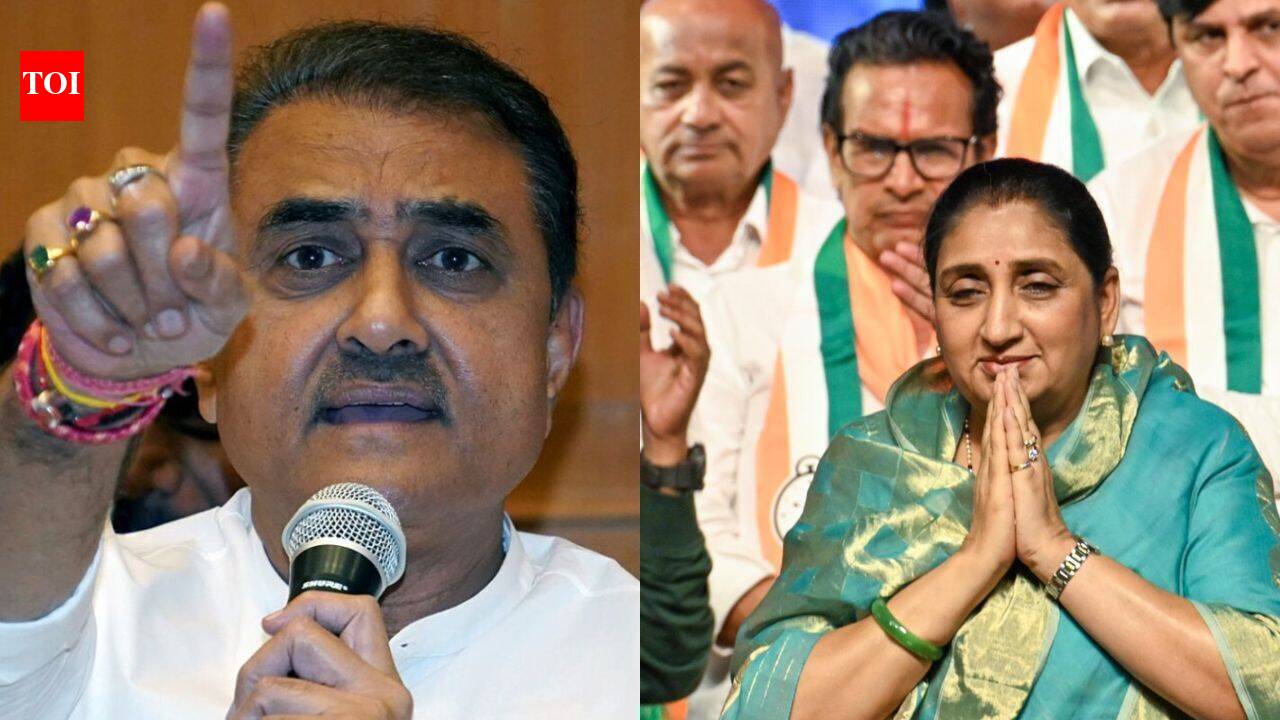
A legal notice challenges Sunetra Pawar's election as national NCP president. Praful Patel acknowledged a leadership vacuum and the need for corrective measures. The notice questions the validity of the election process and constitutional protocols followed. It also highlights inconsistencies in party submissions to the Election Commission. The party has fifteen days to declare the election and office-bearer list null and void.
Internal Turmoil: The Legal Battle for NCP Leadership
The Nationalist Congress Party (NCP) is once again embroiled in a high-stakes leadership battle, this time manifesting as a formal legal conflict between senior party figures. The recent move by Party Secretary Praful Patel to challenge the election of Sunetra Pawar as the national president signals a deepening fracture within the organization. This is not merely a personal dispute but a strategic legal maneuver designed to contest the legitimacy of the current party hierarchy, potentially resetting the power dynamics within the NCP.
The Legal Basis of the Challenge
At the heart of the dispute is the allegation that the election process used to elevate Sunetra Pawar was fundamentally flawed. By citing a "leadership vacuum" and a failure to adhere to "constitutional protocols," Praful Patel is targeting the procedural integrity of the party's internal democracy. In the context of Indian political parties, strict adherence to the written constitution is paramount, especially when the Election Commission of India (ECI) intervenes to decide the rightful claimant of a party name and symbol. Any deviation from these bylaws can render an election void, making this legal notice a critical strike against the current leadership's authority.
The Role of the Election Commission and Administrative Inconsistencies
The mention of "inconsistencies in party submissions to the Election Commission" adds a layer of administrative gravity to the rift. When parties submit lists of office-bearers and membership data to the ECI, any discrepancy can be used as evidence of fraud or mismanagement. Patel's challenge suggests that the documentation provided to the commission may not align with the actual internal processes of the party. This puts the party in a precarious position, as the ECI holds the ultimate power to freeze party symbols or recognize a different faction based on the veracity of these submissions.
Tactical Pressure and the 15-Day Ultimatum
The issuance of a 15-day deadline to declare the election null and void creates an immediate sense of urgency and political pressure. This ultimatum is a tactical move to force a resolution or a reaction from Sunetra Pawar's camp before the matter reaches a courtroom. By demanding the immediate voiding of the office-bearer list, Patel is attempting to create a legal vacuum that his faction might seek to fill, effectively challenging the status quo and questioning the mandate under which the current president operates.
Historical Context of NCP Instability
To understand this event, one must look at the historical volatility of the NCP, which has seen significant splits and reorganizations in recent years. The party has struggled to maintain a unified front amidst competing ambitions and shifting alliances within Maharashtra's complex political landscape. This latest challenge is an extension of the ongoing struggle to define who represents the "true" legacy of the party. The internal friction between Patel and Pawar reflects a broader trend where legal battles are used as proxies for political negotiation and power consolidation.
Future Outlook and Political Implications
Moving forward, this conflict is likely to culminate in a protracted legal battle in the courts or a decisive ruling by the Election Commission. If the court finds merit in Patel's claims regarding the constitutional breaches, it could lead to a complete restructuring of the NCP's national leadership. Such an outcome would not only destabilize the party's current administrative framework but could also influence electoral alliances and candidate selection in upcoming polls, as the legitimacy of the party's decision-making body remains in question.
Summary: The rift between Praful Patel and Sunetra Pawar represents a critical juncture for the NCP. By leveraging legal notices and constitutional arguments, the dispute has moved beyond internal debate into the realm of formal litigation. The resolution of this conflict will determine the party's structural stability and its ability to function as a cohesive political entity in the face of intense internal rivalry.