NCR’s polluted air, water are a result of our apathy
Source Entity
Latest News: Todays Latest News Headlines from India & World | Hindustan Times
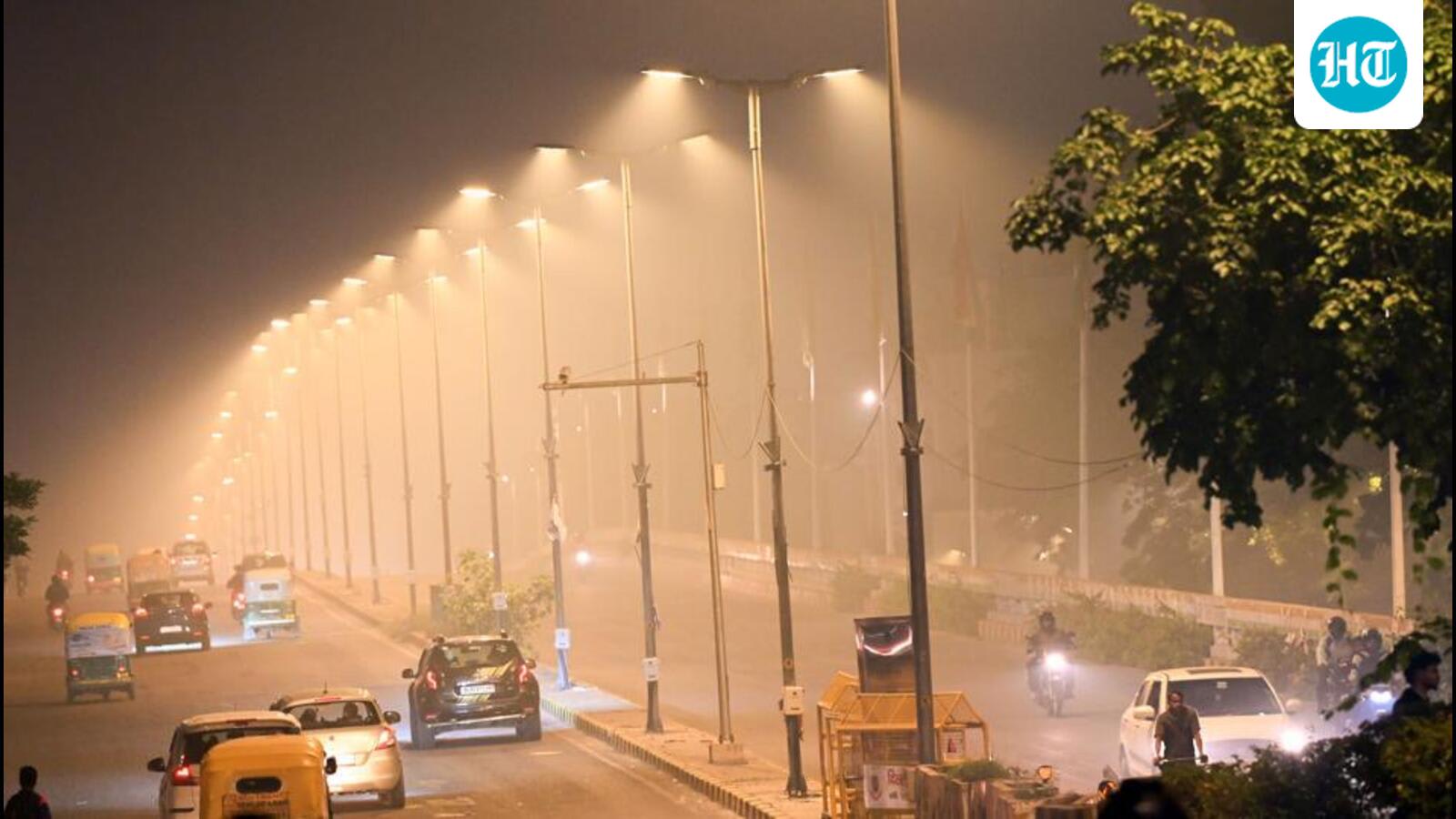
The National Capital Region faces a severe health emergency due to toxic air pollution and water quality issues. While government restrictions like GRAP-3 are in place, experts argue that collective public apathy remains a significant barrier to solving the crisis.
The Crisis of Conscience: Analyzing the NCR Pollution Emergency
The National Capital Region (NCR) is currently grappling with a severe environmental crisis, characterized by hazardous air quality and deteriorating water conditions. As local authorities scramble to implement emergency measures, a pressing question emerges regarding the role of civic responsibility in addressing what has been officially categorized as a public health emergency. The current situation is not merely a failure of policy but a reflection of a deeper societal disconnect from the environmental realities that define daily life in the capital.
The Failure of Collective Apathy
At the heart of the crisis lies a troubling trend of public apathy. While millions express concern over the toxic air they breathe, there is a visible reluctance to acknowledge the individual contributions to this environmental degradation. The narrative suggests that until citizens transition from passive complainers to active participants in environmental stewardship, top-down government regulations will continue to face significant hurdles in achieving their intended impact.
Regulatory Interventions: The GRAP-3 Mechanism
In response to the deteriorating air quality index, authorities triggered the Graded Response Action Plan (GRAP-3) on November 6, strategically timed just before the Diwali festivities. This regulatory framework includes stringent measures such as the total suspension of civil construction activities and the prohibition of non-BS-VI vehicles from outside Delhi entering the capital. These interventions are designed to curb particulate matter emissions at the source, yet their efficacy is frequently undermined by poor compliance and enforcement challenges.
Health Implications and the 'Self-Inflicted' Crisis
Medical professionals have sounded the alarm, labeling the current air quality a bona fide health emergency. The discourse highlights a somber reality: the pollution we witness is, in many ways, self-inflicted. By continuing to prioritize convenience over sustainability, the populace has inadvertently contributed to a cycle of toxicity. The recommendation for citizens to remain indoors, except for emergencies, underscores the severity of the threat, effectively turning the capital into a site of restricted movement.
The Education and Infrastructure Gap
As part of the emergency response, schools have been advised to transition to online learning, a move that highlights the disruption caused by the pollution to the younger generation's development. This shift is not just a logistical necessity but a symptom of an environment that is no longer safe for outdoor activity. Addressing this requires more than just temporary bans; it necessitates a structural shift in how the region manages its industrial growth, transportation, and waste management.
Toward a Sustainable Future
Looking ahead, the path to resolution depends on bridging the gap between government policy and public behavior. If the NCR is to escape the cycle of winter-time pollution, it must integrate environmental education with stricter enforcement of existing laws. Without a renewed sense of collective responsibility, the region risks remaining in a permanent state of emergency, where health is continuously compromised by the very apathy that prevents meaningful change.
Verification Required?