NDA MPs wave tricolour, chant 'Vande Mataram' as they welcome PM at 'Mangal Milan'
Source Entity
TOI NEWS DESK
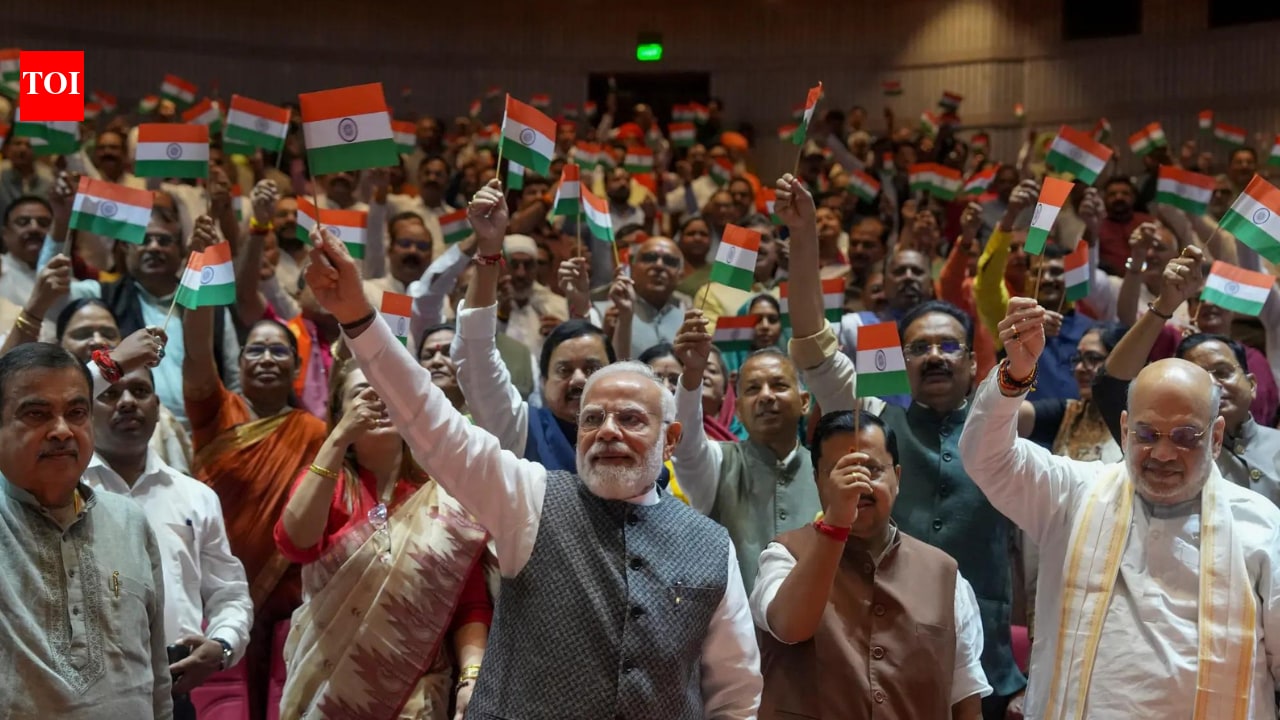
Tensions between the NDA and the Congress have intensified following a patriotic display by NDA MPs and subsequent political barbs. The debate has expanded to include ideological disagreements over the rendition of the national song, Vande Mataram.
Political Polarization in the Indian Parliament
The recent political landscape in India has been marked by a sharp uptick in ideological friction, evidenced by the contrasting actions and statements of NDA and Congress leaders. Following a 'Mangal Milan' event, NDA MPs showcased their alignment through a patriotic display, waving the tricolour and chanting 'Vande Mataram.' This act, while intended as a gesture of unity and national pride, has become a flashpoint for deeper political discord.
The War of Words: Rhetoric and Accusations
The atmosphere in the legislature has soured as verbal hostilities escalate. Union Minister Dharmendra Pradhan has launched a pointed attack on Congress leader Rahul Gandhi, labeling him a 'habitual liar' and criticizing the opposition for what he terms 'selective democracy.' This rhetoric highlights a breakdown in parliamentary decorum and signifies a shift toward more aggressive political posturing, where the legitimacy of the opposition's stance is increasingly being challenged on moral and ethical grounds.
Ideological Clashes Over National Symbols
Beyond personal barbs, the discourse has touched upon the sensitive issue of national identity. Shashi Tharoor, a prominent Congress voice, has questioned the insistence on the full rendition of 'Vande Mataram.' By suggesting that 'zealots' have overlooked human nature in their push for specific ceremonial practices, Tharoor has invited a counter-narrative from those who view such renditions as a non-negotiable aspect of patriotism. This debate is not merely about a song; it is a fundamental disagreement over how Indian nationalism is defined and performed in the public sphere.
Broader Implications for Governance
These events underscore the growing divide in the Indian political climate, where symbols of statehood are frequently repurposed as tools of partisan conflict. The inability of the ruling coalition and the opposition to find common ground on public displays of nationalism suggests a difficult path forward for legislative cooperation. As these narratives dominate the discourse, the focus on substantive policy debate is often sidelined, creating a cycle of reaction and counter-reaction that complicates the functioning of the democratic process.
Future Trends in Political Discourse
Looking ahead, it is likely that these patterns of 'performative politics' will continue to define the parliamentary session. As both sides seek to consolidate their respective voter bases, the reliance on symbolic battles—ranging from the use of national slogans to accusations of undemocratic behavior—will likely intensify. This trend suggests that the upcoming legislative period may be characterized by high levels of volatility, where every gesture is scrutinized for its ideological weight, potentially hindering the pursuit of consensus-based governance.
Multiple Citing Sources