Nearly one million Indians stuck in US green card backlog; EB-2 wait could stretch to 179 years
Source Entity
LUBNA KABLY
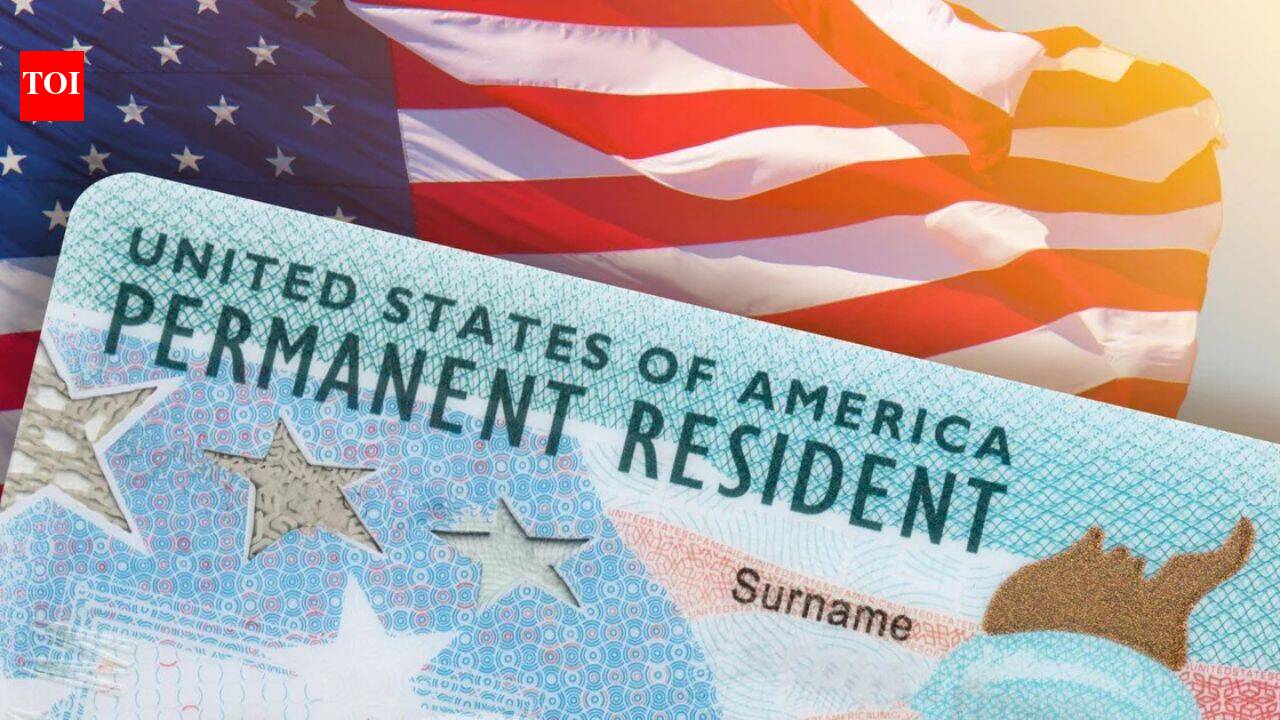
Nearly one million Indian professionals face severe US green card backlogs, accounting for 79% of the total employment-based queue. With some wait times projected to reach 179 years, experts are calling for urgent legislative reform to address the systemic mismatch in immigration policy.
The Crisis of the US Employment-Based Green Card Backlog
Recent data from the National Foundation for American Policy has brought to light a staggering reality for Indian immigrants in the United States: nearly one million individuals are currently trapped in a seemingly endless green card backlog. This figure represents approximately 79 percent of the total employment-based immigration backlog, which has now surpassed 1.2 million applicants. The scale of this crisis is unprecedented, highlighting a systemic failure in the current US immigration framework that disproportionately affects high-skilled Indian professionals.
The Mechanics of the Stagnation
The root of this issue lies in the archaic structure of US immigration laws, specifically the combination of annual visa caps and rigid per-country limits. These policies, established decades ago, fail to account for the current global economic landscape and the high demand for specialized labor. Because the number of green cards issued annually remains fixed regardless of the surge in qualified applicants, a massive mismatch has emerged between labor market needs and bureaucratic processing capacity. This bottleneck effectively penalizes Indian nationals, who bear the brunt of these limitations despite being among the most highly qualified contributors to the US workforce.
Projections and the 179-Year Wait
Perhaps the most alarming finding is the projection that, under current policies, some Indian professionals could face a wait time of up to 179 years for a green card. This is not merely a bureaucratic delay; it is a functional denial of permanent residency for the current generation of workers. Even with the occasional influx of additional green cards, the backlog has continued to grow, suggesting that the current system is mathematically incapable of clearing the existing queue. The August 2026 Visa Bulletin serves as a grim reminder that these projections are not abstract figures but represent the lived reality of families waiting in limbo.
Broader Economic and Human Implications
Beyond the individual distress, this backlog carries significant implications for the US economy. By keeping highly skilled workers in a state of perpetual uncertainty, the US risks losing talent to other nations with more welcoming immigration policies. These professionals, who often hold advanced degrees in STEM fields, are essential to American innovation and competitiveness. When they are unable to secure permanent residency, their ability to change jobs, start businesses, or plan for their families' futures is severely restricted, leading to a phenomenon of 'trapped talent' that hurts both the individual and the domestic economy.
The Urgent Need for Reform
The evidence provided by the National Foundation for American Policy underscores an urgent need for legislative reform. Policymakers are increasingly pressured to address the per-country limits that create these bottlenecks. Without significant changes to the Immigration and Nationality Act, the backlog will continue to expand, further alienating the very individuals who are critical to the country's long-term economic growth. Addressing this is not just a matter of immigration efficiency but a necessity for maintaining the United States' status as a premier destination for global talent.
Concluding Outlook
In summary, the nearly one million Indians currently stuck in the green card queue represent a microcosm of a larger, broken system. The 79 percent share of the backlog attributed to India is a direct consequence of policy design rather than a reflection of applicant qualifications. As wait times stretch into the next century, the call for reform becomes louder. Whether legislators will prioritize the modernization of these outdated caps remains the decisive question for the future of US-bound high-skilled migration.