Mojtaba rewrites rules of war - From defense to offense: Why Arabs backing USA are worried now
Source Entity
Latest News: Todays Latest News Headlines from India & World | Hindustan Times | Hindustan Times
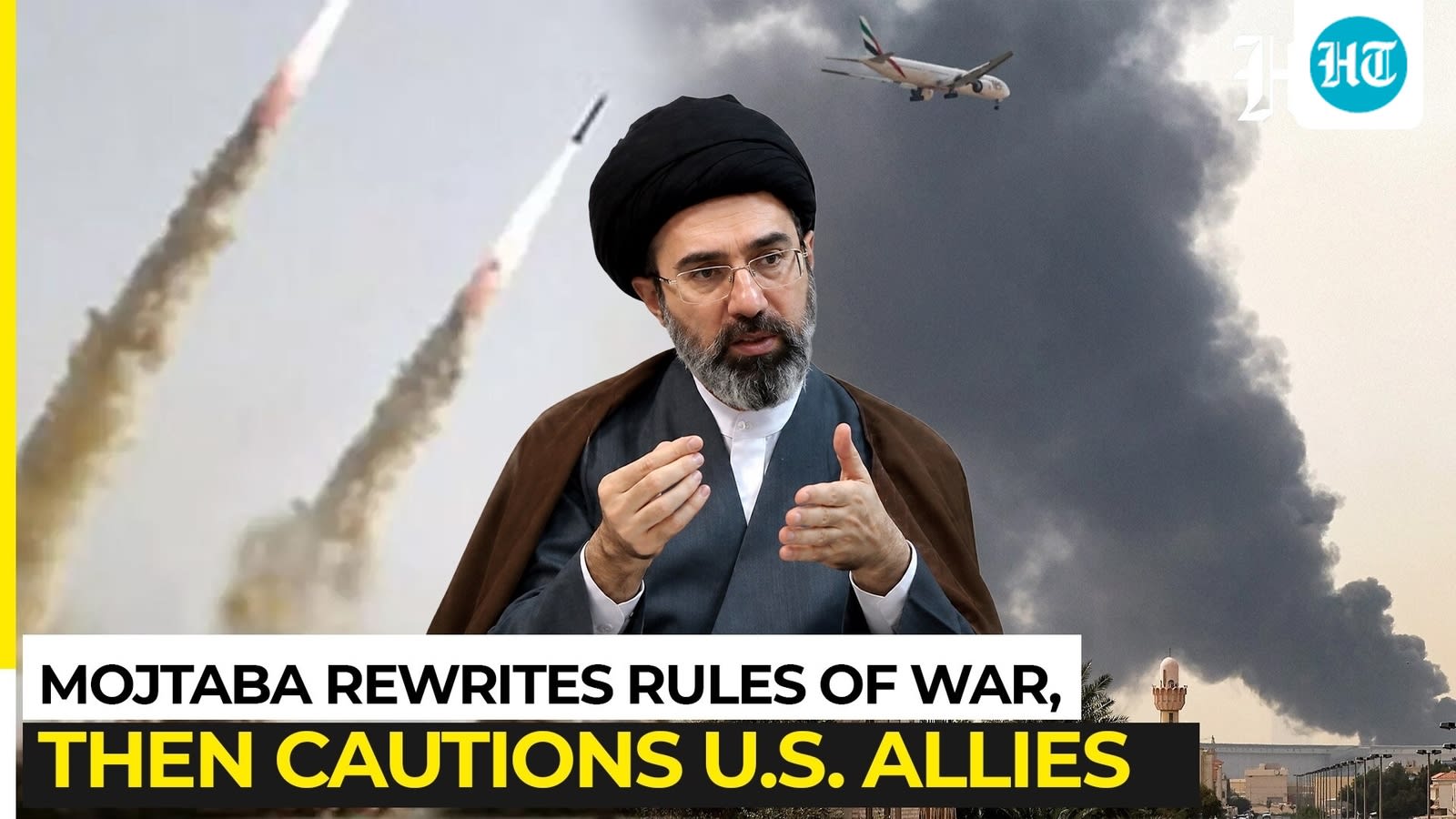
Iran has officially shifted its military doctrine from a defensive posture to an offensive strategy, including the potential for preemptive strikes. This change, coupled with threats against regional interests, has sparked significant concern among neighboring Arab nations.
A Paradigm Shift in Iranian Military Doctrine
Iran has recently signaled a profound transformation in its national security strategy, moving away from its long-standing defensive military doctrine toward a more aggressive, offensive posture. This strategic pivot, articulated by Army spokesman Mohammad Akraminia, explicitly includes the potential for preemptive action. By formalizing this shift, Tehran is signaling that it no longer views itself as a passive recipient of regional pressure, but rather as a proactive force capable of striking first to protect its perceived interests.
The Catalyst: Economic Pressure and Geopolitical Tension
The timing of this announcement is inextricably linked to the intensification of U.S.-led economic sanctions and diplomatic pressure. For years, Iran has utilized its military apparatus primarily as a deterrent against external intervention. However, as economic constraints squeeze the domestic landscape, the leadership appears to be recalibrating its leverage. This doctrine shift serves as a clear message to Western powers that the cost of continued economic isolation will be paid in regional security instability.
Expanding the Theater of Conflict
Perhaps the most alarming aspect of this new doctrine is the explicit warning that enemy interests across the region could become legitimate targets during future aggression. This broadens the definition of the 'battlefield' significantly. It suggests that Iran is prepared to project power beyond its borders, targeting assets or interests associated with its adversaries throughout the Middle East. This expansion of scope is intended to act as a deterrent, forcing regional actors to weigh the risks of aligning too closely with U.S. policy.
Diplomatic Maneuvering and Regional Anxiety
In a move that highlights the complexity of this situation, President Masoud Pezeshkian recently reached out to Iran’s Muslim neighbors. His appeal—urging these nations not to enable attacks on Islamic states—serves a dual purpose. While it presents a facade of regional solidarity, it is also a thinly veiled warning to Arab nations that host U.S. military infrastructure. The anxiety among these neighbors is palpable, as they find themselves caught in the middle of a deepening rivalry between Tehran and Washington.
The Unknown Variable: Hidden Arsenal
Tehran’s recent displays of previously undisclosed or 'hidden' weapons systems add a layer of uncertainty to the regional security calculus. By flaunting these capabilities, Iran is attempting to cultivate a sense of unpredictability regarding its military readiness. This 'war of nerves' is designed to make adversaries second-guess the efficacy of their own defensive systems and the potential for a swift, overwhelming Iranian response in the event of a kinetic conflict.
Conclusion: The Future of Middle Eastern Stability
The shift to an offensive doctrine, combined with the threat to regional interests and the demonstration of new military assets, marks a dangerous escalation in Middle Eastern tensions. As Iran moves to preemptive postures, the traditional balance of power in the region is being fundamentally challenged. The coming months will likely see a delicate, high-stakes diplomatic dance as neighboring states attempt to navigate this new, more volatile reality without becoming collateral damage in an escalating standoff.
Verification Required?