How Gattumeedapalle in Andhra Pradesh turned into a ghost village
Source Entity
India Latest News: Top National Headlines Today & Breaking News | The Hindu
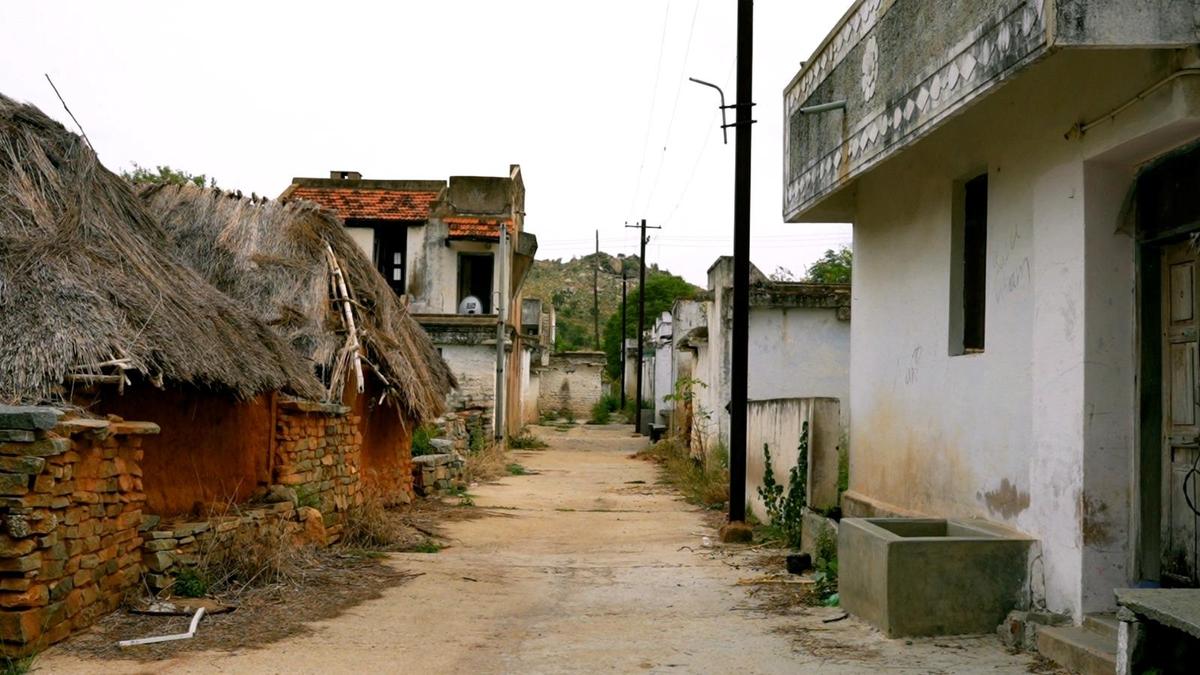
Rural Andhra Pradesh and Telangana are facing severe crises, with villages like Gattumeedapalle being abandoned due to water scarcity and others like Karreguttalu caught between security conflicts and development. Farmers across the region are struggling with extreme climate uncertainty, threatening the stability of rural livelihoods.
The Silent Erosion of Rural Landscapes
The phenomenon of 'ghost villages' and the displacement of agrarian communities in Andhra Pradesh and Telangana represent a profound socio-economic crisis. In Gattumeedapalle, the total abandonment of 60 families serves as a stark indicator of environmental and economic failure. Once a thriving hub for groundnut cultivation, the village has succumbed to the lack of water, rendering traditional farming impossible and forcing a complete migration of its 500-strong population. This is not merely a loss of housing, but the erasure of a cultural and historical lineage that once defined the hilltop community.
The Climate-Economy Nexus
The situation in Bapatla and the broader Andhra Pradesh landscape highlights the precarious nature of modern agriculture. Farmers like Kommineni Srinivasa Rao are facing a 'climate-financial trap,' where the failure of monsoon rains leads to cracked, unploughable soil and the depletion of financial resources. When agricultural output becomes impossible due to water scarcity, the reliance on borrowed funds for seeds and labor creates a cycle of debt that eventually forces families to abandon their land entirely, transforming once-productive fields into barren reminders of failed harvests.
Conflict and Transition in the Hills
Contrasting the environmental abandonment of Gattumeedapalle is the complex transition occurring in the Karreguttalu Hills of Telangana. For years, communities here lived in the shadow of Maoist insurgency, where the forest served as both a home and a perilous battleground. The recent shift—marked by the introduction of roads and state infrastructure—represents a transition from a state of constant fear to one of development-led uncertainty. However, as the State’s writ returns, the residents face a new struggle: reconciling their traditional forest-dwelling lifestyle with the rapid encroachment of modernization and security-focused development.
The Dual Threat: Environment and Infrastructure
Both regions share a common theme of vulnerability. Whether it is the lack of water driving people out of the Annamayya district or the geopolitical instability defining the Mulugu district, rural populations are increasingly marginalized. The 'ghost village' of Gattumeedapalle, where streetlights still glow in empty streets, stands as a haunting symbol of the infrastructure that remains while the human element—the heartbeat of the village—has been extinguished by systemic neglect and environmental collapse.
Broader Implications and Future Trends
Looking forward, these trends suggest an accelerating rate of rural-to-urban migration that is not driven by the lure of city opportunities, but by the push of rural collapse. Without localized, climate-resilient agricultural policies and a deeper engagement with the needs of forest-fringe communities, the number of 'ghost' settlements is likely to rise. The challenge for policymakers will be to provide equitable development that respects the autonomy of these communities while mitigating the extreme financial and climate risks that currently threaten the very fabric of rural life in southern India.
Verification Required?