Royal Navy warships track Russian vessels for three days in UK waters
Source Entity
BBC News
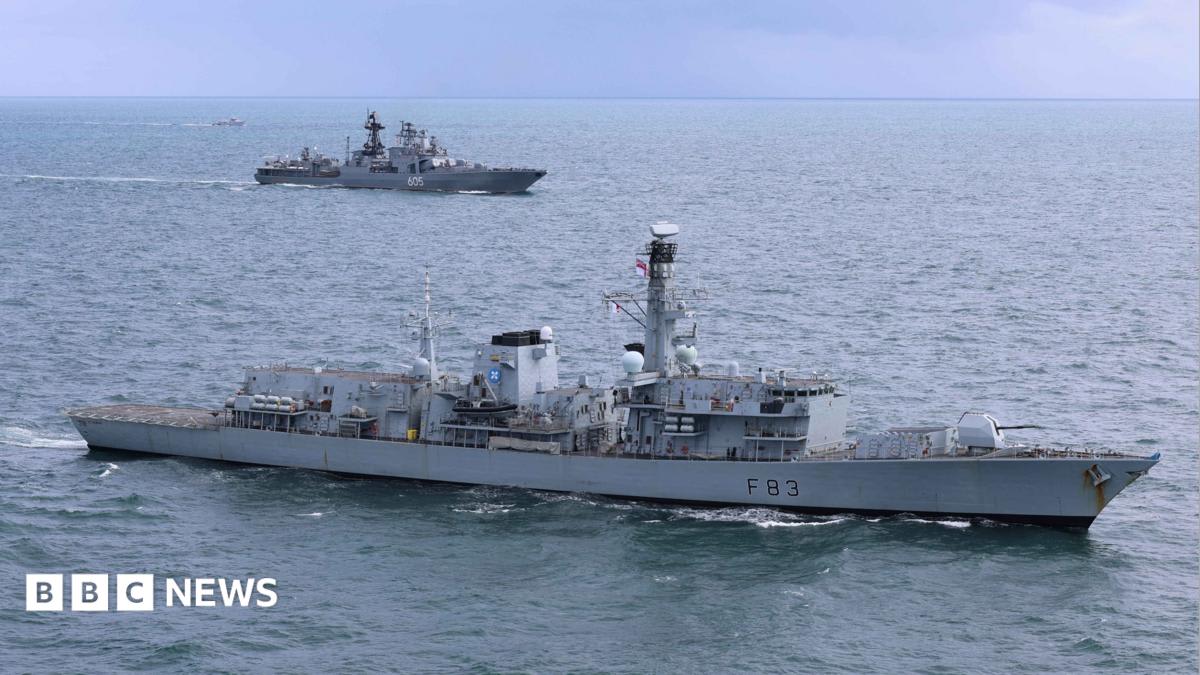
The Royal Navy conducted an intense three-day operation monitoring four Russian vessels, including a shadow fleet, in the North Sea and English Channel. This action highlights a 25% increase in naval activity this year aimed at disrupting illegal maritime logistics.
Royal Navy Intercepts Russian Vessels in Strategic Waters
In a display of maritime vigilance, the Royal Navy recently concluded an intense three-day surveillance operation targeting Russian naval assets and "shadow fleet" cargo ships. Utilizing the advanced capabilities of HMS Duncan, HMS St Albans, and HMS Severn, alongside aerial support from a Merlin helicopter, the British military successfully tracked four vessels as they navigated through the North Sea and the English Channel. This operation underscores the persistent tension in European waters and the UK's commitment to monitoring vessels that bypass international sanctions.
The Mechanics of Surveillance
The operation relied on a multi-layered approach to maritime domain awareness. By deploying both Type 45 destroyers and Type 23 frigates, the Royal Navy ensured that no movement went unmonitored. Radar systems played a critical role in maintaining a constant lock on the Russian vessels, while the presence of a Merlin helicopter provided the necessary tactical oversight from above. This synergy between surface and air assets is a hallmark of modern naval defense, allowing the UK to maintain situational awareness in one of the world's busiest shipping lanes.
Economic Warfare and the Shadow Fleet
The mention of "shadow fleet" vessels is particularly significant, as these ships are often used to circumvent international economic sanctions. By tracking these vessels, the Royal Navy is doing more than just protecting territorial waters; it is actively disrupting the logistical chains that support the Russian state. Gen Sir Gwyn Jenkins, the First Sea Lord, confirmed that these interventions have forced Russian operators to alter their courses, resulting in increased operational costs and significant delays, thereby undermining the effectiveness of these sanction-evading fleets.
Escalating Naval Activity
The scale of this operation reflects a broader trend of increased naval activity. Recent data indicates that the Royal Navy’s efforts to monitor Russian movements have risen by 25% compared to the previous year. This surge in activity suggests that the North Sea and the English Channel remain critical theaters of geopolitical friction. As Russia continues to test the boundaries of international waters, the UK’s response has become more frequent and more assertive, signaling a shift toward a more proactive posture in maritime security.
Strategic Implications and Future Trends
Looking ahead, the role of the Royal Navy in safeguarding the integrity of European waters will likely remain at the forefront of defense strategy. The increase in monitoring activities suggests that the current geopolitical climate will necessitate a sustained, high-tempo presence. The cost-imposition strategy described by Gen Jenkins indicates that maritime interdiction is becoming a primary tool for geopolitical leverage. Future trends will likely see an even greater reliance on integrated surveillance networks, as the UK seeks to counter the increasingly complex and opaque maritime tactics employed by Russian interests.