"Scare Stories": Kremlin Denies NATO Attack Fears Behind CIA Chief's Visit
Source Entity
NDTV News Search Records Found 1000
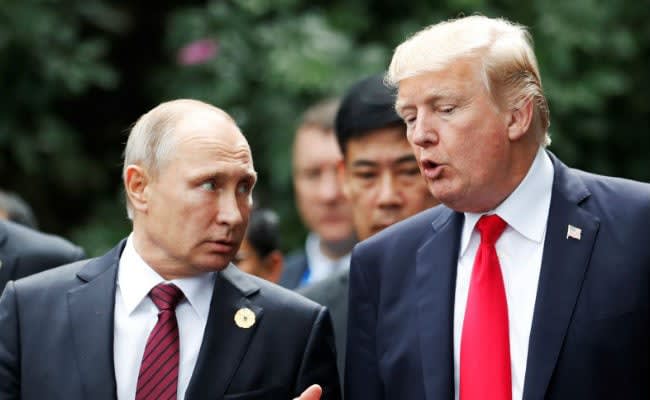
The Kremlin has dismissed reports regarding potential Russian aggression toward NATO, labeling them as scare stories. This follows Donald Trump's public dismissal of concerns regarding a hypothetical Russian attack on the alliance.
The Kremlin's Response to NATO Escalation Narratives
The recent diplomatic discourse has been marked by a pointed dismissal from the Kremlin regarding the perceived threat of a Russian attack on NATO territories. By characterizing these reports as "scare stories," Moscow is attempting to frame Western security concerns as deliberate provocations or fabrications intended to justify further military build-ups. This rhetoric is a recurring theme in Russian foreign policy, where the state media and official spokespeople frequently categorize Western intelligence assessments as part of a coordinated disinformation campaign.
The Role of Trump in NATO Security Discourse
Donald Trump has consistently played down the likelihood of a Russian offensive against NATO member states, a stance that has often placed him at odds with the traditional security establishment in Washington. By questioning the necessity of alarmist narratives, Trump’s rhetoric has served to complicate the unified front that NATO seeks to project. His skepticism regarding the imminence of such threats suggests a prioritization of de-escalation over the conventional deterrence strategies that have defined post-Cold War transatlantic relations.
Analyzing the CIA Chief’s Diplomatic Context
The mention of a CIA Chief’s visit in relation to these "scare stories" highlights the delicate balance of intelligence and diplomacy. While the Kremlin aims to diminish the credibility of these reports, the presence of high-level intelligence officials often signals that the U.S. remains deeply concerned about regional stability. The juxtaposition of official denials with behind-the-scenes intelligence gathering underscores the high-stakes environment where every visit is scrutinized for underlying strategic shifts.
Historical Tensions and Future Trends
The historical context of the NATO-Russia dynamic remains defined by a deep-seated lack of trust. Ever since the expansion of the alliance into Eastern Europe, Russia has maintained that its security interests are being encroached upon. Conversely, NATO nations view their collective defense mandate as essential for regional peace. Moving forward, we can expect this cycle of accusation and denial to continue, as both sides utilize public narratives to influence domestic and international sentiment regarding the state of global security.
Conclusion: Assessing the Geopolitical Reality
Ultimately, the tension between the Kremlin's dismissals and the persistent concerns within Western intelligence circles reveals a widening gap in the perception of regional risk. While the immediate threat of a direct, conventional conflict may be viewed with skepticism by some political figures like Trump, the strategic posturing on both sides remains intense. The path toward stability will likely require a significant shift in communication, though current trends suggest that "scare stories" and counter-denials will remain the primary tools of diplomatic engagement for the foreseeable future.
Verification Required?