Iran Sets Conditions For Reopening Strait of Hormuz
Source Entity
NDTV News Search Records Found 1000
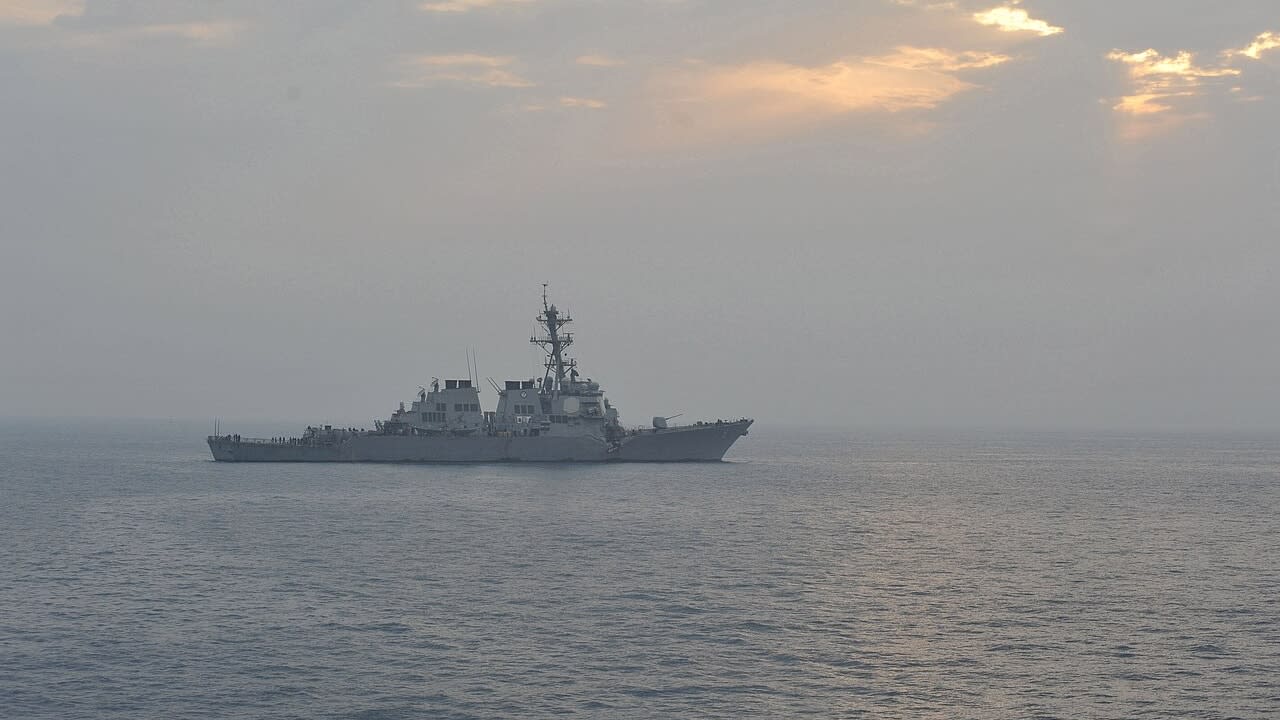
Iran has conditioned the reopening of the Strait of Hormuz on the cessation of military conflicts in Gaza, Lebanon, and Syria. Shipping traffic through this vital maritime chokepoint has significantly declined, falling below the 10-day average.
The Geopolitical Standoff in the Strait of Hormuz
The Strait of Hormuz remains one of the world's most critical maritime chokepoints, serving as a vital artery for global energy supplies. Recent reports indicate that Iran has formally linked the unrestricted flow of shipping through this corridor to the broader cessation of regional military conflicts. By explicitly demanding an end to hostilities in the Gaza Strip, the withdrawal of Israeli forces from Lebanon, and the termination of military operations in Syria, Tehran is effectively leveraging its geographic dominance over the strait to influence regional security dynamics.
Linking Maritime Access to Regional Conflict
Mohsen Rezaei, secretary of Iran's Supreme National Security Council, has emphasized that the status of the Strait of Hormuz cannot be decoupled from the ongoing wars in the Middle East. This strategic linkage suggests that Iran views the maritime corridor as a key diplomatic and tactical bargaining chip. While Iran has reportedly engaged in talks with Oman regarding a potential shipping corridor, these discussions are currently overshadowed by the stringent conditions set by the Iranian leadership, which directly challenge the current status quo involving U.S. and Israeli military interests.
Impact on Global Shipping and Trade
As geopolitical tensions escalate, the tangible impact on global trade is already becoming evident. Data from the ship-tracking firm Kpler confirms that transit volumes have plummeted; only seven commodity vessels were recorded passing through the strait on Thursday. This figure represents a sharp decline from the previous day’s 17 vessels and sits significantly below the 10-day moving average of 15. The composition of these vessels—ranging from chemical tankers to very large gas carriers (VLGC)—underscores the vulnerability of diverse commodity chains to these disruptions.
The Role of Maritime Security and Surveillance
With reports of U.S. naval assets, such as the USS George Washington, operating in the Arabian Sea, the environment surrounding the strait is increasingly militarized. The decline in shipping traffic is likely exacerbated by the heightened risk environment, which often prompts commercial vessels to disable transponders or divert routes entirely to avoid potential interference. The unpredictability of these transits, as noted by the volatility in daily shipping data, suggests that market participants are adopting a cautious stance in response to the inflammatory rhetoric surrounding the strait.
Future Implications and Diplomatic Stalemates
Looking ahead, the situation remains precarious. With the U.S. reportedly rejecting a return to previous diplomatic arrangements and Iran doubling down on its demands, the likelihood of a swift resolution appears low. If the conditions for reopening are not met, global energy and chemical commodity markets may face sustained supply chain disruptions. The integration of the Strait of Hormuz into the broader regional conflict sets a dangerous precedent, where essential international transit routes are increasingly subject to the fluctuating tides of localized warfare.
Verification Required?