Clean-up of illegal waste supersite costs taxpayers £6m
Source Entity
BBC News
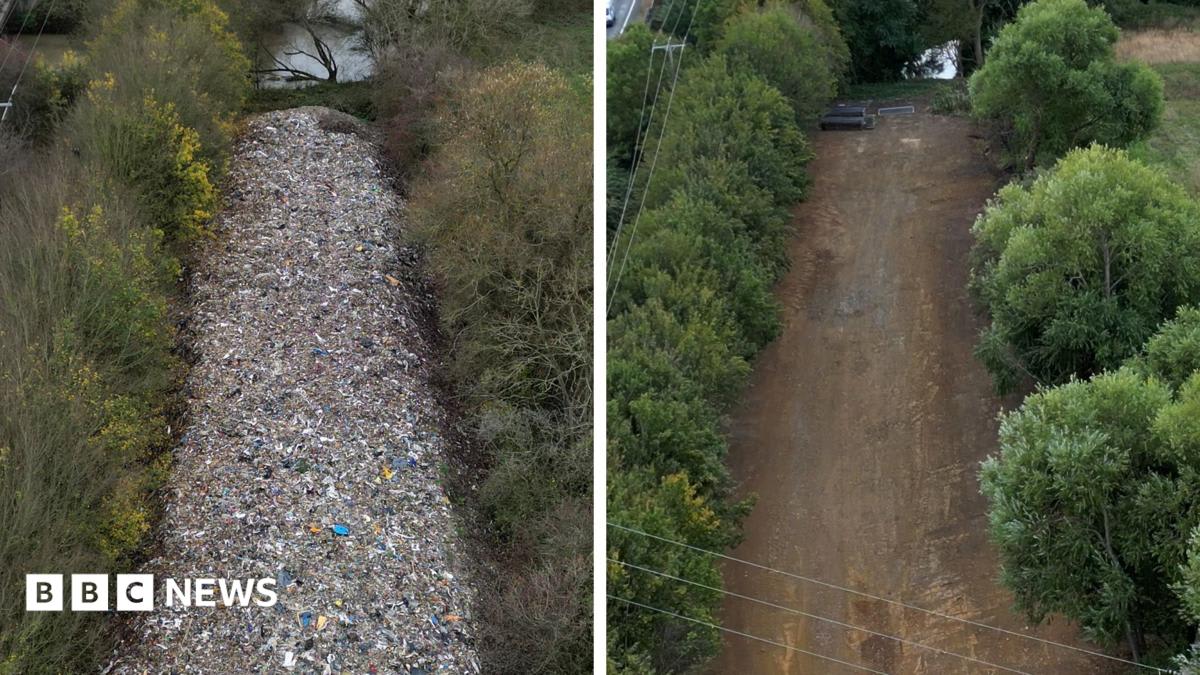
Taxpayers have shouldered a £6m bill for the cleanup of a massive illegal waste dump in Oxfordshire. The government is now under pressure to recoup costs from offenders as part of a wider crackdown on waste crime.
The Financial Burden of Environmental Crime
The recent completion of the cleanup operation at the Kidlington waste supersite in Oxfordshire has brought a stark reality to light: the environmental and financial cost of illegal dumping is being borne by the public. With a total expenditure of £6 million required to remediate the land between the River Cherwell and the A34, the incident highlights the massive scale of waste mismanagement currently plaguing the English countryside. The site, which accumulated approximately 22,000 tonnes of domestic and commercial refuse in 2025, serves as a grim example of the 'supersite' phenomenon.
The Rise of Waste Supersites
This incident is not an isolated event but rather one of nearly 30 identified 'supersites' that have surfaced following investigative efforts. These locations are characterized by their vast size and the sheer volume of illicit materials deposited, which often include hazardous or non-biodegradable waste. The proximity of the Kidlington site to major infrastructure like the A34 and critical water sources like the River Cherwell underscores the severe ecological risks posed by these unregulated dumps, including soil contamination and water pollution.
Challenges in Cost Recovery
While the government has publicly committed to recouping these significant public funds from the perpetrators, the track record for such recovery remains dismal. Official figures obtained by the BBC indicate that the Environment Agency has recovered only a fraction of costs over the past five years. This disparity between the government's stated intent to confiscate criminal assets and the actual financial recovery suggests a systemic failure in the current legal or enforcement framework designed to hold waste criminals accountable.
A New Regulatory Crackdown
In response to the mounting pressure, the government has recently launched a nationwide crackdown on waste crime. This initiative aims to bolster the authorities' ability to seize assets and force those responsible for illegal dumping to foot the bill for remediation. By targeting the financial underpinnings of these criminal operations, officials hope to dismantle the networks that profit from evading waste disposal regulations, though the efficacy of this new strategy remains to be seen.
Future Implications and Policy Trends
Looking ahead, the cleanup of the Kidlington site serves as a catalyst for a broader debate on waste management policy. As the government continues to grapple with the legacy of these 30 supersites, the focus will likely shift toward more stringent monitoring of waste transport and the implementation of stricter penalties for environmental negligence. Ultimately, the success of these measures will depend on whether the state can move beyond merely cleaning up after offenders and start effectively deterring the crime at its source through robust asset recovery and long-term surveillance.