Sadhguru on pilgrimage: Why he says a spiritual journey is not about achieving something
Source Entity
Latest News: Todays Latest News Headlines from India & World | Hindustan Times | Hindustan Times
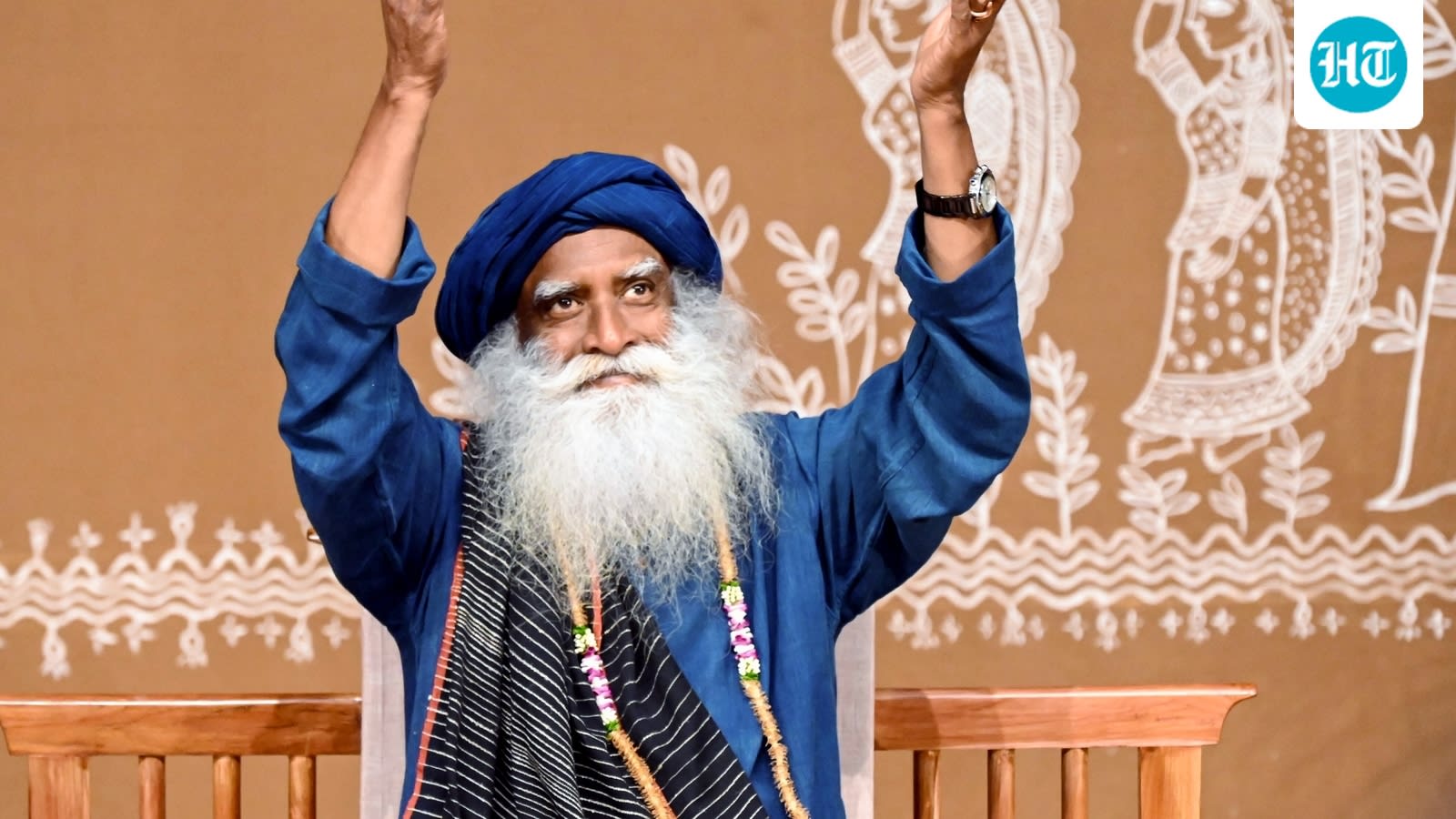
Sadhguru distinguishes between secular trekking and spiritual pilgrimage, emphasizing that the latter is a process of self-detachment. He argues that true pilgrimage is not about the achievement of reaching a destination but about internal transformation.
The Spiritual Essence of Pilgrimage: Beyond the Destination
In an era where modern infrastructure and global travel make reaching even the most remote sacred sites accessible, the traditional concept of a pilgrimage is often misunderstood. Sadhguru, a prominent spiritual leader, has recently emphasized that while the physical act of traveling to a distant location—navigating difficult terrain and spending time away from home—may mirror a standard vacation or mountaineering expedition, the core intent fundamentally differentiates a pilgrimage from a mere trek.
The Trap of Achievement
Sadhguru draws a sharp distinction between the psychology of a trek and that of a spiritual journey. In mountaineering or trekking, the individual is often driven by a sense of conquest. Reaching a difficult summit provides a tangible sense of achievement and ego-gratification; the traveler feels they have conquered the mountain or overcome a physical challenge. This focus on 'doing' and 'achieving' reinforces the ego, anchoring the individual more firmly in their current identity.
Pilgrimage as a Process of Detachment
Conversely, Sadhguru posits that a true pilgrimage is not about what one achieves, but rather what one sheds. He describes the spiritual journey as a deliberate process of becoming less attached to the rigid concepts of one's own identity. By stripping away the comforts of home and the pride of accomplishment, the pilgrim creates a vacuum that allows for a deeper, more expansive understanding of the self. This shift from 'doing' to 'being' is the hallmark of the spiritual practice he advocates.
The Significance of Sacred Geography
Sadhguru’s teachings often highlight sites like Mount Kailash, which he identifies as holding a unique position in the landscape of human spirituality. For the pilgrim, the mountain is not a trophy to be scaled or a peak to be conquered. Instead, it serves as a focal point for internal transformation. The difficulty of the journey serves as a test of one's commitment to self-transcendence rather than a test of physical athletic prowess.
Broader Implications and Future Trends
As the world becomes increasingly fast-paced and achievement-oriented, there is a growing trend toward 'spiritual tourism.' However, Sadhguru's critique serves as a necessary reminder that the physical movement of the body is secondary to the movement of consciousness. Future trends in spiritual travel will likely see a shift away from high-impact trekking toward more contemplative, slow-travel experiences that prioritize inner silence over the 'bucket-list' mentality.
Conclusion
Ultimately, the distinction made by Sadhguru challenges the modern traveler to re-evaluate their intent. By moving away from the need to 'achieve' something during a journey, individuals may find that the true destination of a pilgrimage is not a place on a map, but a deeper, more liberated state of awareness. It is a transition from the accumulation of experiences to the dissolution of the self.
Verification Required?