Yellowstone visitors once used Handkerchief Pool like a natural washing machine
Source Entity
TOI WORLD DESK
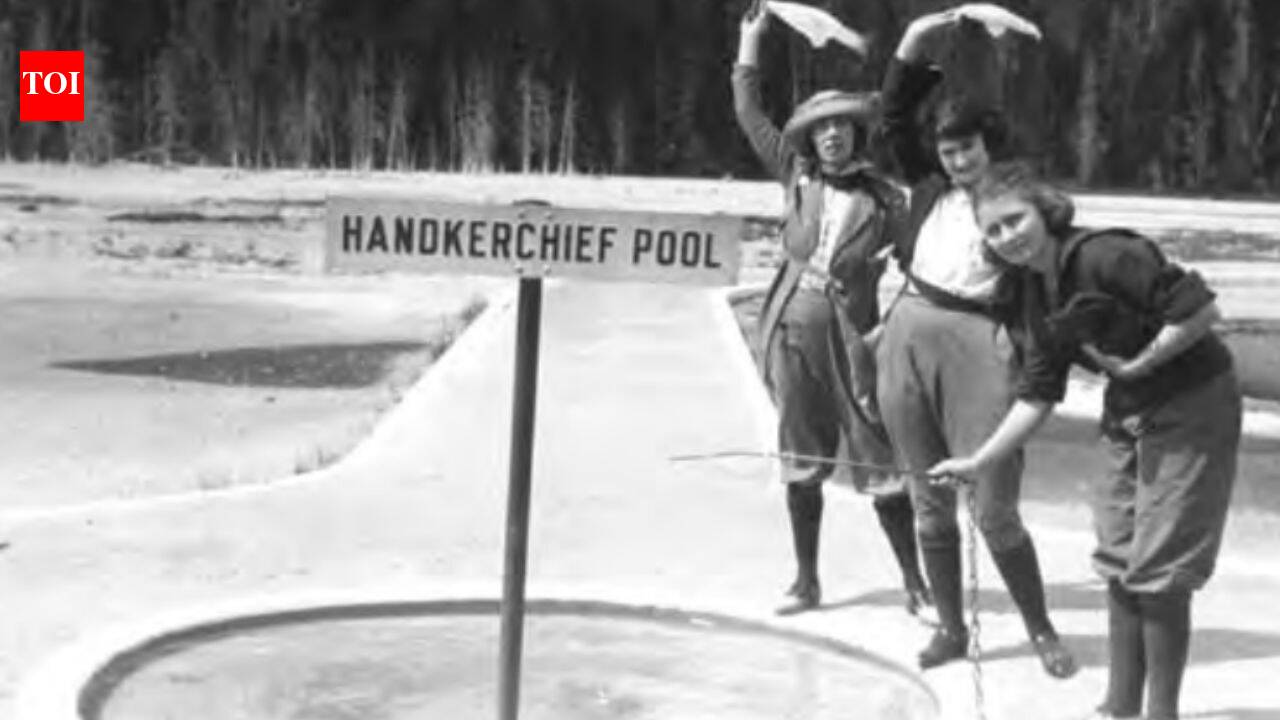
Yellowstone's Handkerchief Pool was a historic tourist attraction where visitors cleaned items in its currents until a log blockage in 1926 ceased its activity. Later cleanups revealed the extent of human interference, highlighting the shift toward modern conservation efforts in the park.
The Lost Wonders of Yellowstone: The Handkerchief Pool Legacy
Long before the implementation of stringent conservation policies, Yellowstone National Park served as a playground for early 20th-century tourists who engaged in practices that would be strictly prohibited today. Among the most curious of these attractions was the Handkerchief Pool, located in the Black Sand Basin. This thermal feature was renowned for its unique hydraulic currents, which allowed visitors to place a handkerchief into the water, watch it disappear into the spring's depths, and witness it return moments later, appearing washed and clean.
The Mechanics of a Natural Laundry
Visitors were fascinated by the pool’s ability to circulate objects through its thermal currents. This phenomenon was not merely a parlor trick but a result of the complex plumbing systems inherent in Yellowstone's geothermal basins. The perception that the pool acted as a natural washing machine turned the site into a popular destination, encouraging tourists to interact directly with the environment in ways that modern park management now actively discourages to protect the delicate subterranean ecosystems.
The 1926 Blockage and Ecological Impact
The era of the Handkerchief Pool as a functional curiosity came to an abrupt end in 1926 when a log fell into the vent, effectively obstructing the pool’s internal circulation. This event serves as a stark reminder of the vulnerability of thermal features to both natural debris and human-induced changes. Once the circulation was stifled, the pool ceased its characteristic behavior, leading to a period of stagnation that allowed for the accumulation of significant human-made refuse.
Revealing the Human Footprint
In 1929, an effort was made to clean the pool, which revealed the profound impact of decades of visitor interaction. Workers removed approximately 1.5 bushels of debris from the spring. The inventory of items recovered—which included over 100 hairpins, various coins, and even a horseshoe—highlights the extent to which visitors treated these pristine geothermal features as trash receptacles or wishing wells, rather than protected natural resources.
Broader Implications for Conservation
The history of the Handkerchief Pool is intrinsically linked to the evolution of the National Park Service's management philosophy. Similar to the well-documented degradation of the Morning Glory Pool in the Upper Geyser Basin, the Handkerchief Pool story serves as a cautionary tale. Today, the focus has shifted toward preservation and education, emphasizing that even small interactions with thermal features can cause permanent damage to these fragile, ancient systems. By studying these past mistakes, park authorities continue to refine the regulations that protect Yellowstone's geothermal wonders for future generations.