Trump Hints US Could Sanction Chinese Banks Over Iran Links
Source Entity
NDTV News Search Records Found 1000
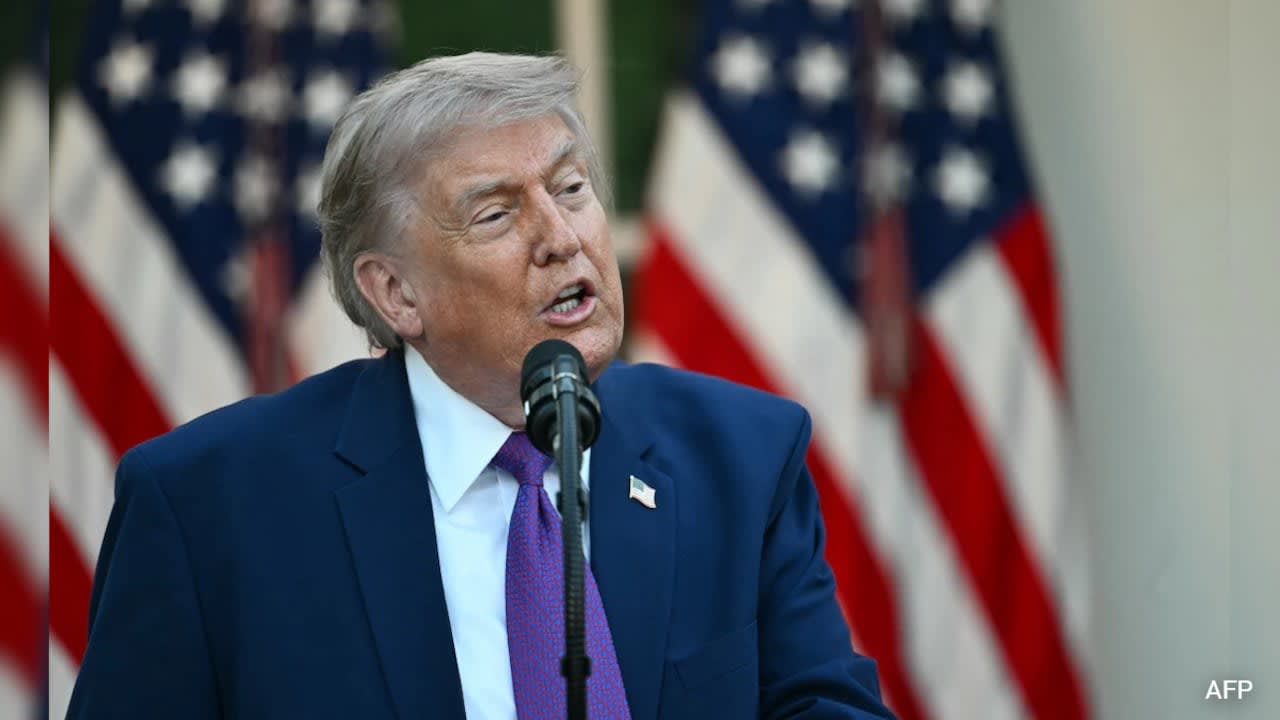
Former President Trump has suggested that his administration may consider imposing sanctions on Chinese banks due to their alleged financial ties to Iran. This potential policy shift highlights ongoing tensions regarding international trade enforcement and geopolitical alignment.
The Intersection of Geopolitics and Financial Sanctions
Donald Trump’s recent remarks regarding the potential imposition of sanctions on Chinese banks serve as a stark reminder of the volatile nature of U.S.-China economic relations. By explicitly linking potential punitive measures to these institutions' dealings with Iran, Trump has signaled a strategy that leverages the global dominance of the U.S. financial system to enforce foreign policy objectives. This tactic, often referred to as 'secondary sanctions,' is designed to force international entities to choose between accessing the American market or conducting business with regimes targeted by U.S. policy.
The Strategic Role of Secondary Sanctions
Secondary sanctions represent a powerful, albeit controversial, instrument of statecraft. When the U.S. threatens to cut off banks from the SWIFT system or access to the U.S. dollar, it effectively forces a compliance standard that transcends national borders. In the context of Iran, these measures are intended to isolate the nation's economy by discouraging financial institutions from facilitating transactions that could fund activities deemed hostile by Washington. The focus on Chinese banks suggests that the administration views China as a critical node in the financial lifeblood of the Iranian state.
Historical Context of U.S.-China Economic Friction
This development is the latest chapter in a long-standing narrative of economic friction between the world's two largest economies. Throughout previous administrations, the U.S. has frequently expressed concerns over China’s trade practices, technological development, and geopolitical alliances. By targeting the financial sector, the U.S. moves beyond traditional trade tariffs and into the realm of high-stakes financial diplomacy. This escalation tests the resilience of the global banking system and the willingness of international actors to navigate conflicting regulatory demands.
Broader Implications for Global Markets
Should these threats materialize into formal policy, the repercussions for the global economy could be significant. Financial markets generally react negatively to uncertainty, and the prospect of major Chinese banks being sanctioned would likely trigger volatility in currency exchanges and equity markets. Furthermore, such actions could accelerate efforts by various nations to seek alternatives to the U.S. dollar as the primary reserve currency, a move often discussed by countries seeking to insulate themselves from the reach of American financial policy.
Future Trends and Diplomatic Challenges
Looking ahead, this rhetoric suggests a continued reliance on coercive financial measures as a primary tool for addressing international security concerns. The challenge for policymakers will be balancing the desire for compliance with the risk of triggering retaliatory measures from Beijing. As these powers navigate their complex relationship, the banking sector remains a primary frontline, where political intent is translated into tangible economic outcomes that affect firms and consumers worldwide.
Verification Required?