WATCH: PLA Rescue Helicopters Fly Over Mudslide-Hit Gyirong Port in Tibet
Source Entity
Latest News: Todays Latest News Headlines from India & World | Hindustan Times | Hindustan Times
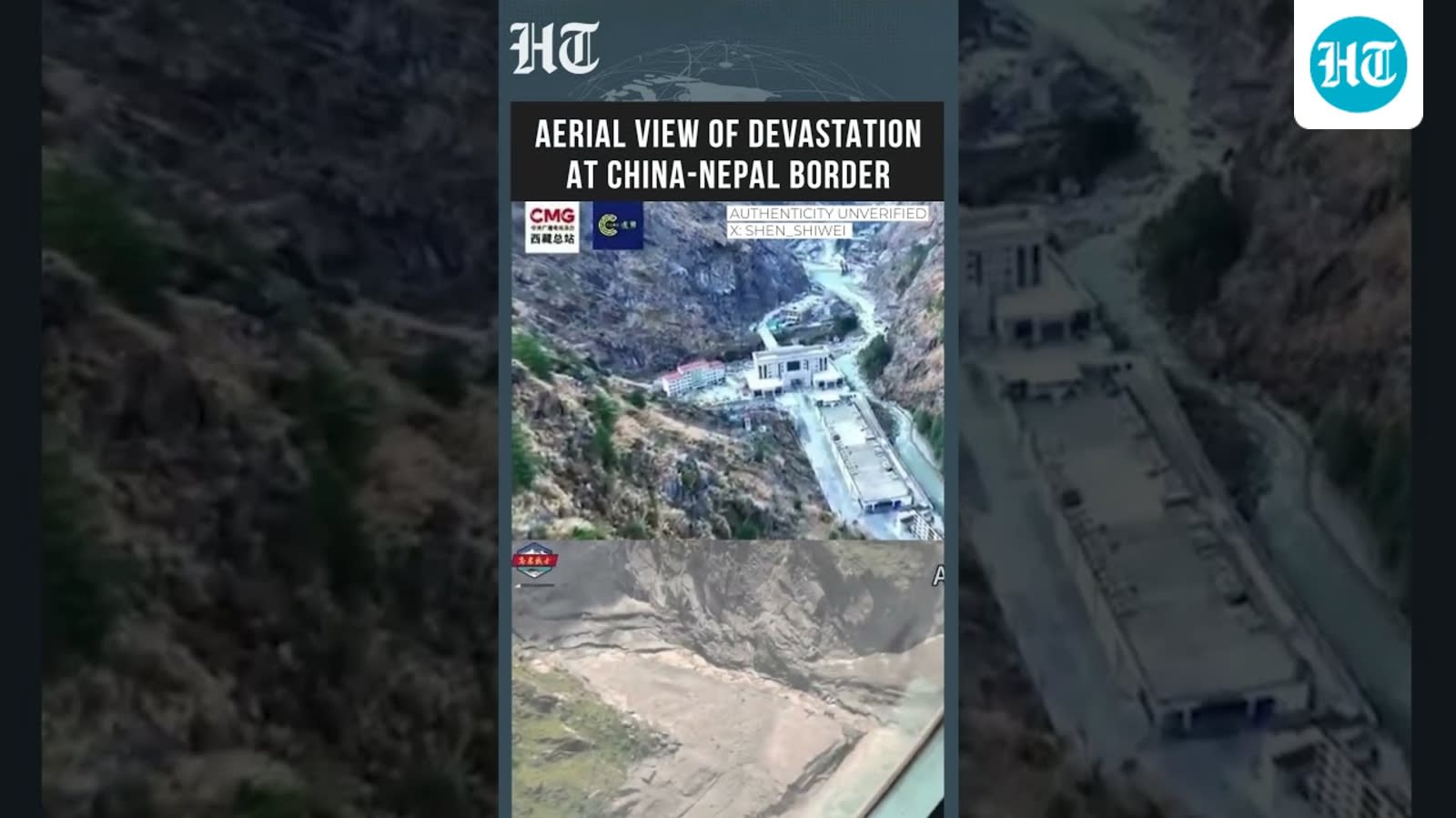
China has officially rejected claims that a man-made dam collapse in Tibet caused devastating floods in Nepal, attributing the disaster to natural geological events. While Nepal alleges a lack of warning, China maintains that a glacier collapse triggered the mudslides and is now managing risks of a potential barrier lake breach.
Analysis of the China-Nepal Border Flood Controversy
The Conflicting Narratives
Recent reports have centered on a significant diplomatic and environmental friction point between China and Nepal following catastrophic flooding in the Gyirong-Rasuwagadhi border region. Nepal has pointed toward the collapse of a 'geological disaster dam' on the Chinese side of the border as the primary catalyst for the widespread destruction and loss of life. In sharp contrast, Beijing has characterized these allegations as 'fake news,' categorically denying that any man-made structure or dam failure was responsible for the downstream devastation.
The Geological Reality vs. Accusations
At the core of the dispute is the mechanism of the disaster. While Nepali officials have suggested negligence in warning systems, the Chinese Embassy in Nepal has provided an alternative explanation. According to Beijing, the disaster was initiated on August 26 by an earthquake or a similar seismic event that triggered a massive glacier collapse. This mass movement of ice and rock subsequently created mudslides that impacted both sides of the border. Experts suggest that such events are increasingly common in the Himalayas, where rising temperatures often lead to glacial lake outbursts.
The Threat of Barrier Lakes
Compounding the current tensions is the emerging threat of a 'barrier lake'—a natural dam formed by the debris of landslides or glacial shifts. Reports indicate that China has mobilized specialized fire and rescue teams from Beijing to monitor the situation, as there is a significant risk that this barrier could breach within 72 hours. The existence of this lake serves as a focal point for both cooperation and suspicion; while China claims to be managing the risk, the potential for a secondary surge of water downstream keeps the pressure on bilateral communication channels.
Geopolitical Implications of Disaster Management
This incident highlights the delicate nature of transboundary water management in the Himalayas. When disasters strike, the lack of a robust, real-time data-sharing protocol between nations often leads to finger-pointing and diplomatic strain. China’s firm stance, captured in the phrase 'Accusation helps nothing,' underscores a preference for pragmatic, state-led disaster mitigation over public debate regarding causality. For Nepal, the incident underscores the vulnerability of its northern border communities to environmental shifts occurring in the Tibetan plateau.
Future Trends in Himalayan Risk Mitigation
Looking ahead, the frequency of glacial lake outburst floods (GLOFs) is expected to rise due to climate change, necessitating more transparent and integrated regional monitoring systems. The current crisis serves as a case study for the urgent need for transboundary cooperation. Moving forward, the focus will likely shift from the debate over the 'dam' to the efficacy of the emergency response and the establishment of early-warning mechanisms that transcend national borders to prevent further loss of life in the high-altitude regions.
Multiple Citing Sources
Verification Required?