Japan to Unveil New Oil Diversification Strategy
Source Entity
Yahoo Finance
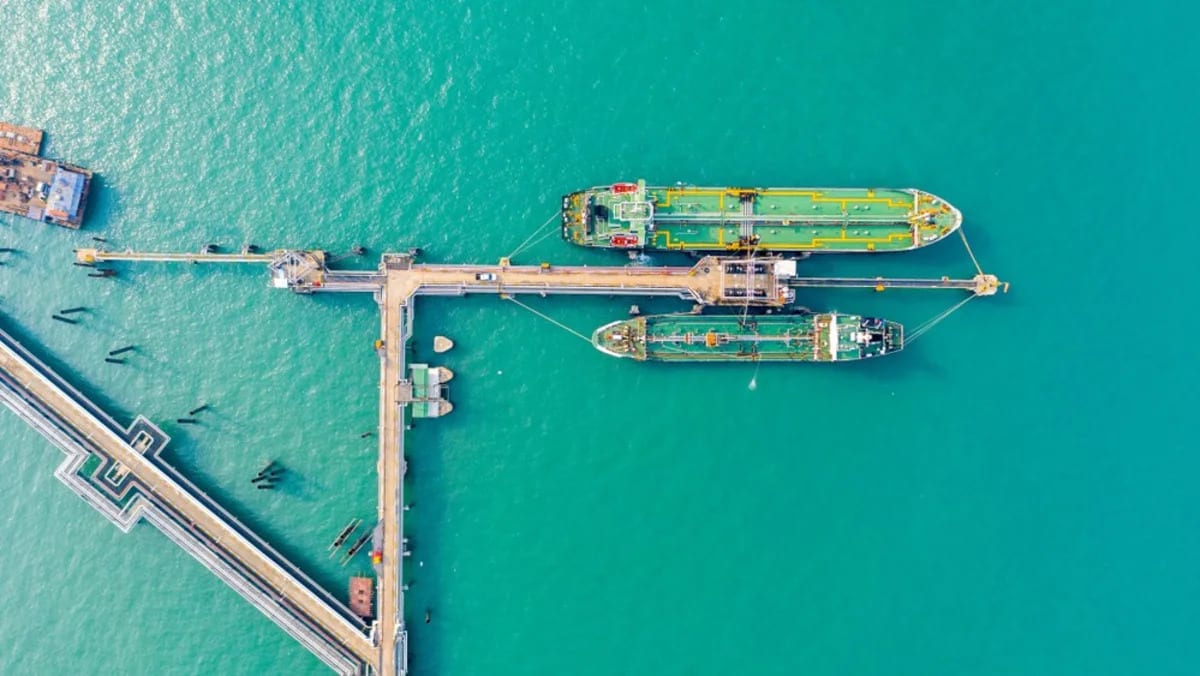
Japan is launching a new energy strategy to reduce its heavy dependence on Middle Eastern oil. The plan includes diversifying import sources and investing in alternative pipelines to bypass the volatile Strait of Hormuz.
Japan's Strategic Pivot in Energy Security
Japan, a nation famously characterized by its lack of domestic natural resources, is poised to unveil a comprehensive energy diversification plan. This strategic shift is a direct response to the precarious nature of its current supply chain, which has historically relied on the Middle East for the vast majority of its crude oil imports. The new policy framework seeks to mitigate the risks associated with geopolitical instability in the region, which has long threatened Japan's economic stability.
Bypassing the Strait of Hormuz
A cornerstone of this new directive involves providing support for pipeline infrastructure projects within the Middle East. These pipelines are specifically designed to divert export oil flows away from the Strait of Hormuz. By creating alternative transit routes, Japan aims to reduce the vulnerability of its energy shipments to potential blockades or regional conflicts that could otherwise halt the flow of vital resources to the Japanese market.
Reducing Dependency and Economic Realignment
Beyond merely shifting transit routes, the government’s plan emphasizes a broader reduction in the nation's overall reliance on oil and gas. This represents a long-term shift toward a more sustainable energy mix. However, the immediate transition presents economic challenges. The government intends to mandate that energy companies share the burden of the higher costs associated with procuring crude oil from non-Middle Eastern sources, reflecting the premium that must be paid for supply chain security and geographical diversification.
Historical Context and Geopolitical Shifts
The necessity for this overhaul was underscored by the recent U.S.-Israeli conflict with Iran. Prior to this escalation, Japan’s energy security architecture was heavily skewed toward Middle Eastern suppliers. The outbreak of hostilities acted as a catalyst, forcing the Japanese government to urgently seek alternative suppliers to ensure that the nation's industrial and domestic energy needs remained met despite the deteriorating security environment in the Persian Gulf.
Future Trends in Energy Procurement
Looking forward, Japan’s strategy marks a departure from traditional energy procurement models. By institutionalizing the cost-sharing of import premiums, the government is signaling to the private sector that energy security is a shared national responsibility. We can expect to see increased Japanese investment in infrastructure projects in regions less susceptible to the volatility of the Strait of Hormuz, ultimately reshaping the global energy map to favor resilience over the historically cheaper, yet riskier, reliance on Middle Eastern crude.
Conclusion
In summary, Japan’s new energy strategy is a pragmatic adjustment to a volatile world. By diversifying its import portfolio and investing in strategic infrastructure, the country is taking proactive steps to insulate its economy from the shocks of regional conflict. This transition will require significant investment and policy coordination, but it is an essential evolution for a resource-poor nation in an increasingly uncertain global landscape.